
Last updated November 22, 2026
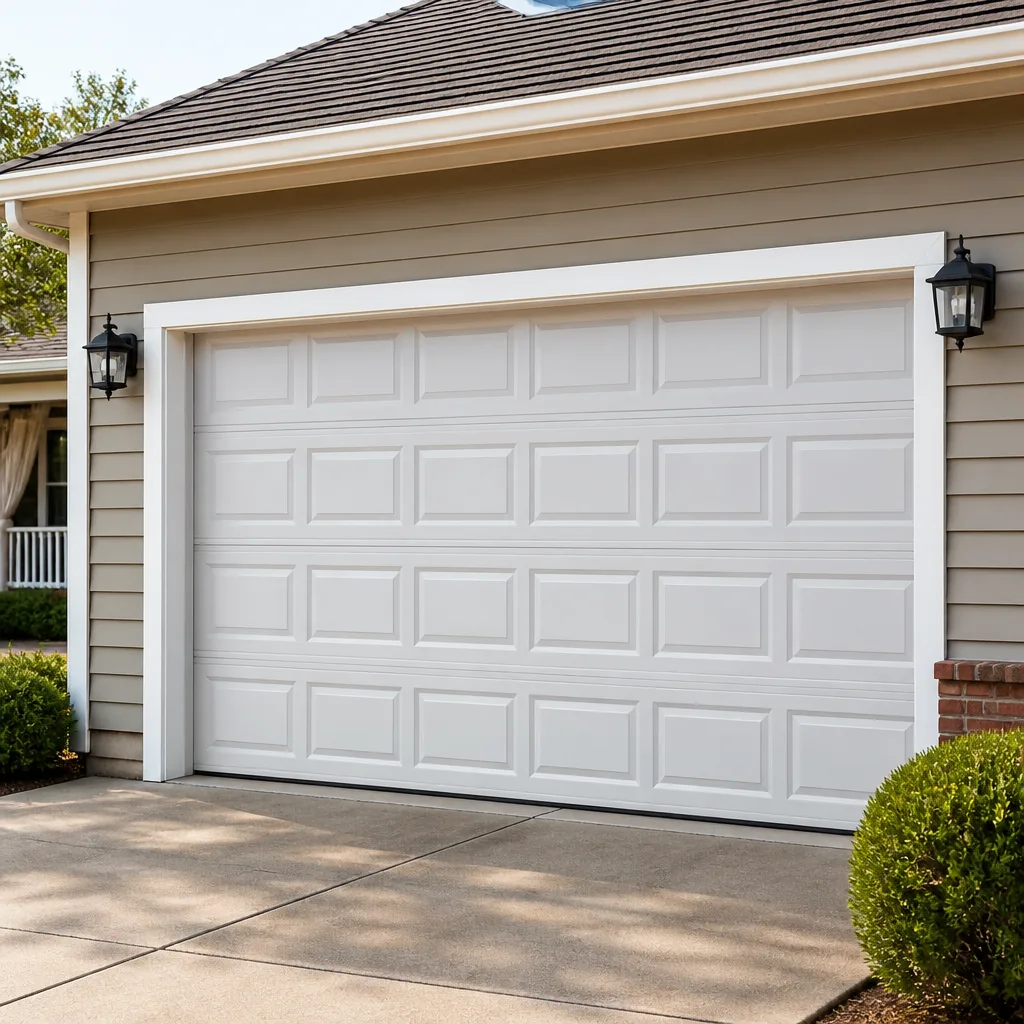 Raised-panel steel
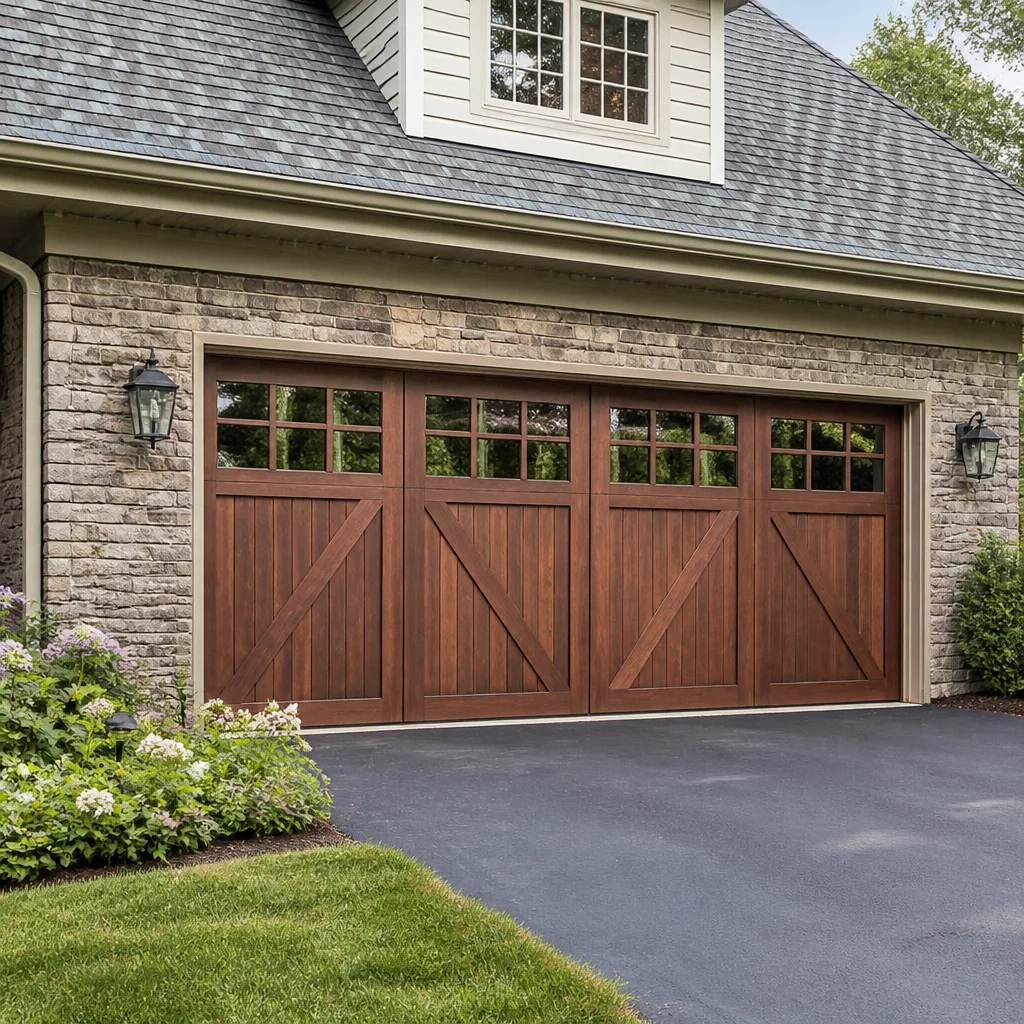 Carriage house
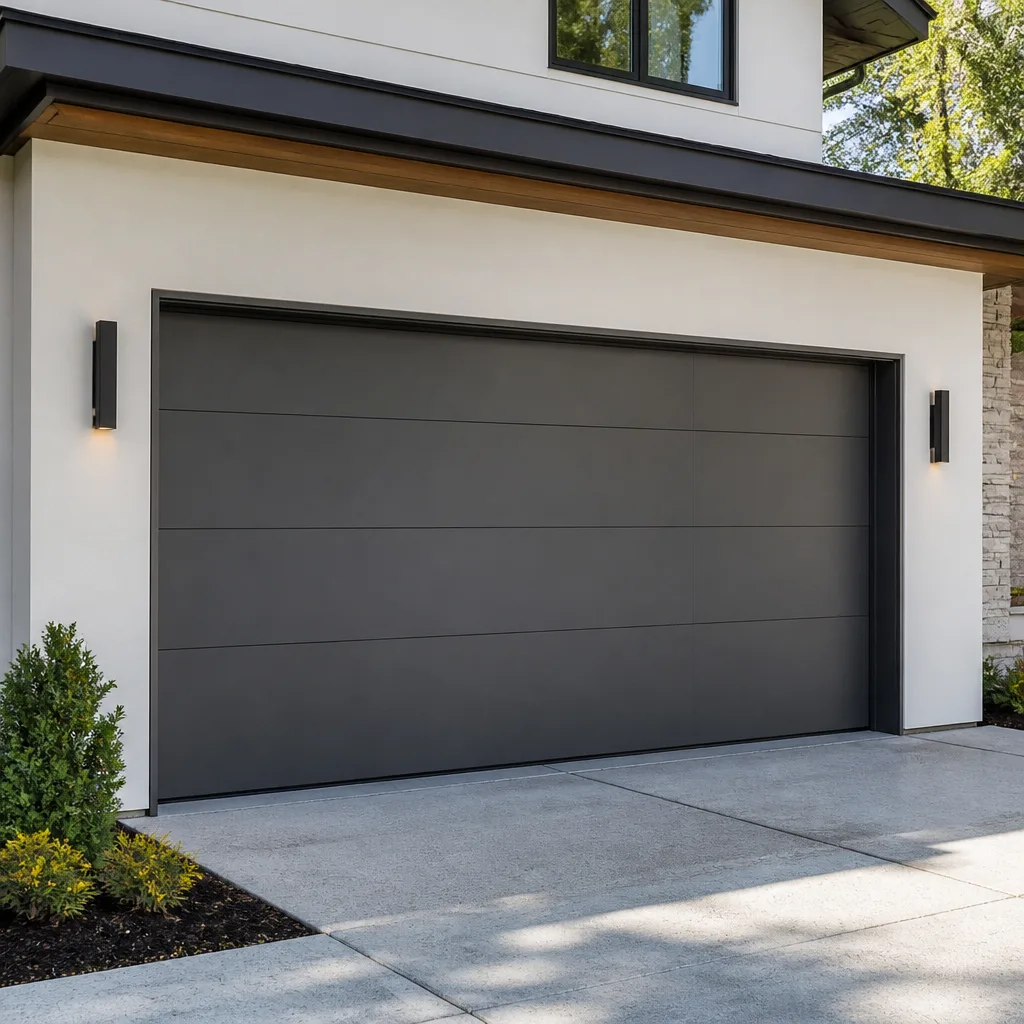 Modern flush
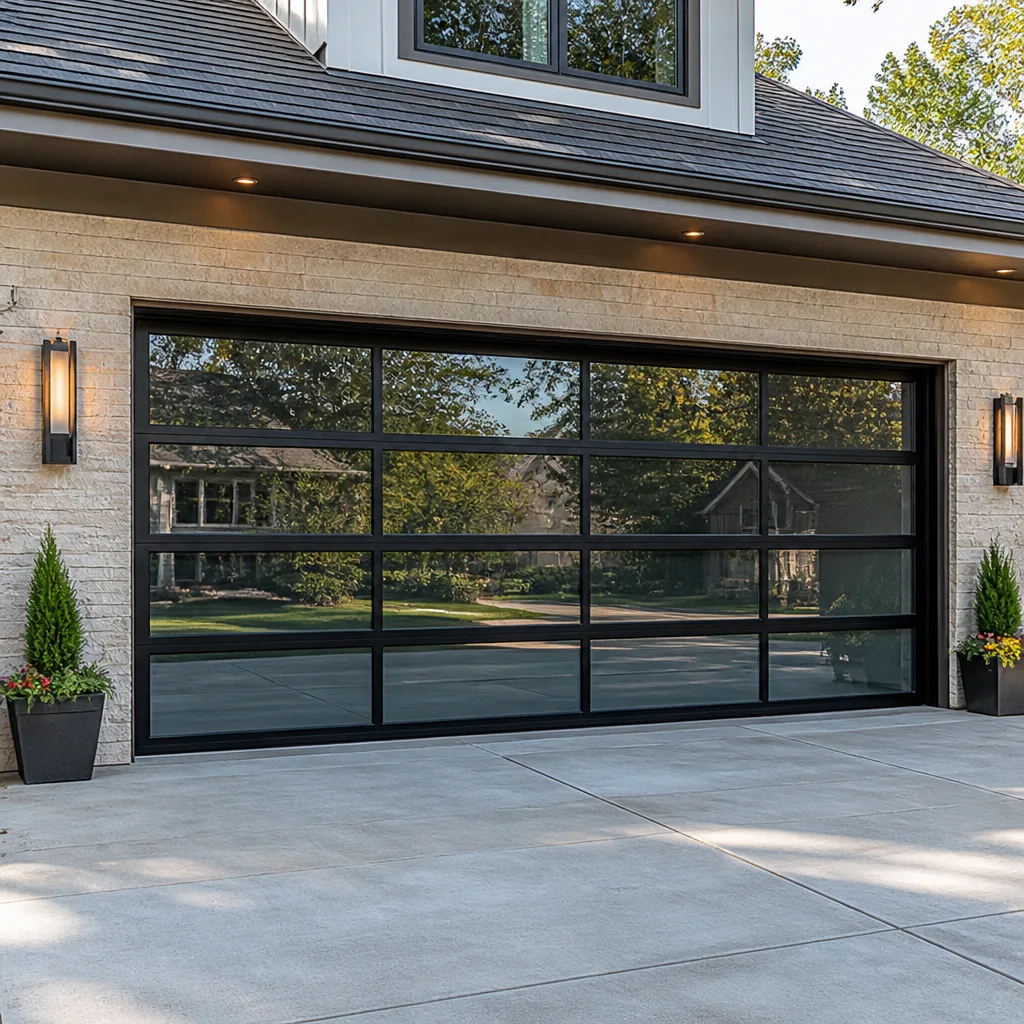 Full-view glass
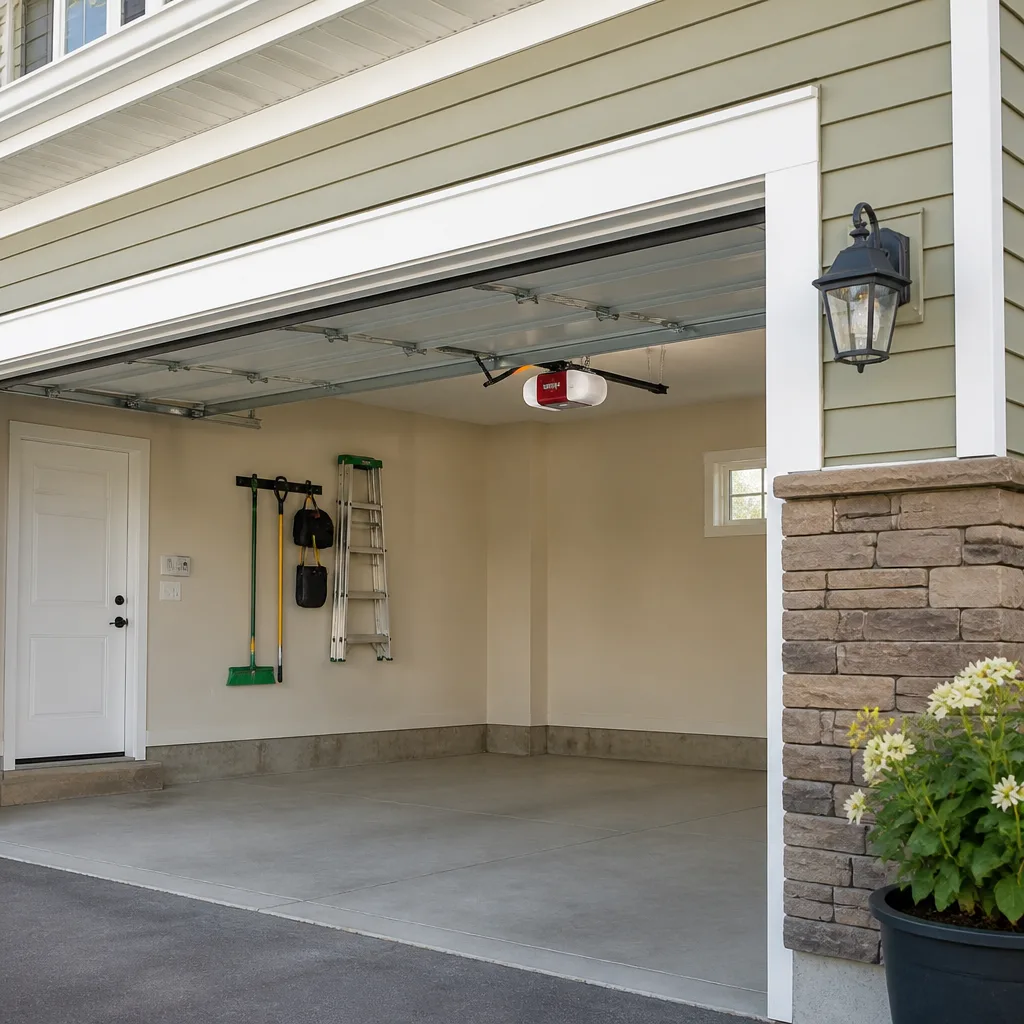 LiftMaster openers
 Chamberlain openers
Full 25-point door and opener safety check with every visit - springs, cables, rollers, tracks, and your LiftMaster or Chamberlain opener included
You get a price before we start. It does not change when the pro arrives.
Get your free estimateGarage Door Emergency Preparedness Guide for Brentwood Homes
Ask a Brentwood homeowner what worries them about their garage door and most will mention the noise it makes or the remote that sometimes doesn’t work. Almost none will mention the manual release cord. That’s the problem. When a door fails at 6 AM on a workday, the first thing people reach for is the rope hanging from the trolley, and that’s often the moment they discover it has seized from years of never being touched. A door that won’t open is annoying. A door that won’t open while your release cord is frozen and your car is trapped inside is a different kind of morning. This guide walks through the two failures that cause most Brentwood emergencies, how to operate your door’s safety features before you need them, how to secure a door that’s stuck open, and what belongs in a ten-minute emergency kit.
Quick Answer
A garage door emergency in Brentwood is usually a broken spring or a dead opener, and the safe response depends on the door’s position. If the door is closed and stuck, don’t force it; if it’s open and the spring has failed, don’t close it without help from a trained specialist. Test your manual release cord and stock a small emergency kit before a failure happens, and call a specialist the same day rather than improvising with the door under tension.
- Key Takeaway: A stuck door in Brentwood is often a security and access problem, since the garage is the primary entry for many homes.
- Key Takeaway: Test your manual release cord at least once a year so it doesn’t seize.
- Key Takeaway: A broken spring means stop using the door; the door can come down hard and cause serious injury.
- Key Takeaway: A ten-minute emergency kit prevents most panic decisions.
Styles & brands we work with
- Raised-panel steel
- Carriage house
- Modern flush
- Full-view glass
- LiftMaster openers
- Chamberlain openers
Table of Contents
- Why a Stuck Garage Door Is an Emergency in Brentwood
- The Two Most Common Garage Door Failures
- How to Operate the Manual Release Cord Safely
- What to Do When the Door Is Stuck Open
- What to Do When a Spring Breaks Mid-Cycle
- Build a 10-Minute Emergency Kit for Your Garage
- Can This Wait Until Business Hours?
- Common Mistakes to Avoid
Why a Stuck Garage Door Is an Emergency in Brentwood
In much of Brentwood, the garage isn’t the secondary entrance. It’s the one people use every day. Cars park there, tools live there, deliveries and children and groceries go through there. When a door stops working, it doesn’t just block the car. It changes how the whole household moves for the day.
The security side matters just as much. A door left open because it can’t close turns an attached garage into an open corridor to the rest of the house. That’s a real concern for anyone on a busy street or in a neighborhood where the layout puts the garage close to the sidewalk. A door that won’t open is inconvenient. A door that won’t close is a different category entirely.
There’s also the seasonal angle in Brentwood. Summers bring heat and humidity that work on springs, cables, and opener gears. Winters bring cold that stiffens lubricant and shrinks metal. A door that’s been quietly aging through both extremes is the one most likely to fail on a morning you need it most. That’s not bad luck. It’s normal wear, and it’s predictable enough to prepare for.
Our view is simple. Treat your garage door the way you treat a smoke detector. Test it before you need it, keep a small kit nearby, and know exactly who to call so you’re not searching for a phone number while your car is trapped inside. As a Brentwood garage door specialist, we’ve seen how quickly a small failure turns into a whole-household disruption, and most of it comes down to the first ten minutes.
The Two Most Common Garage Door Failures
Almost every garage door emergency in Brentwood comes down to one of two things: a broken torsion spring or a dead opener. Understanding the difference helps you respond correctly instead of guessing.
A broken spring
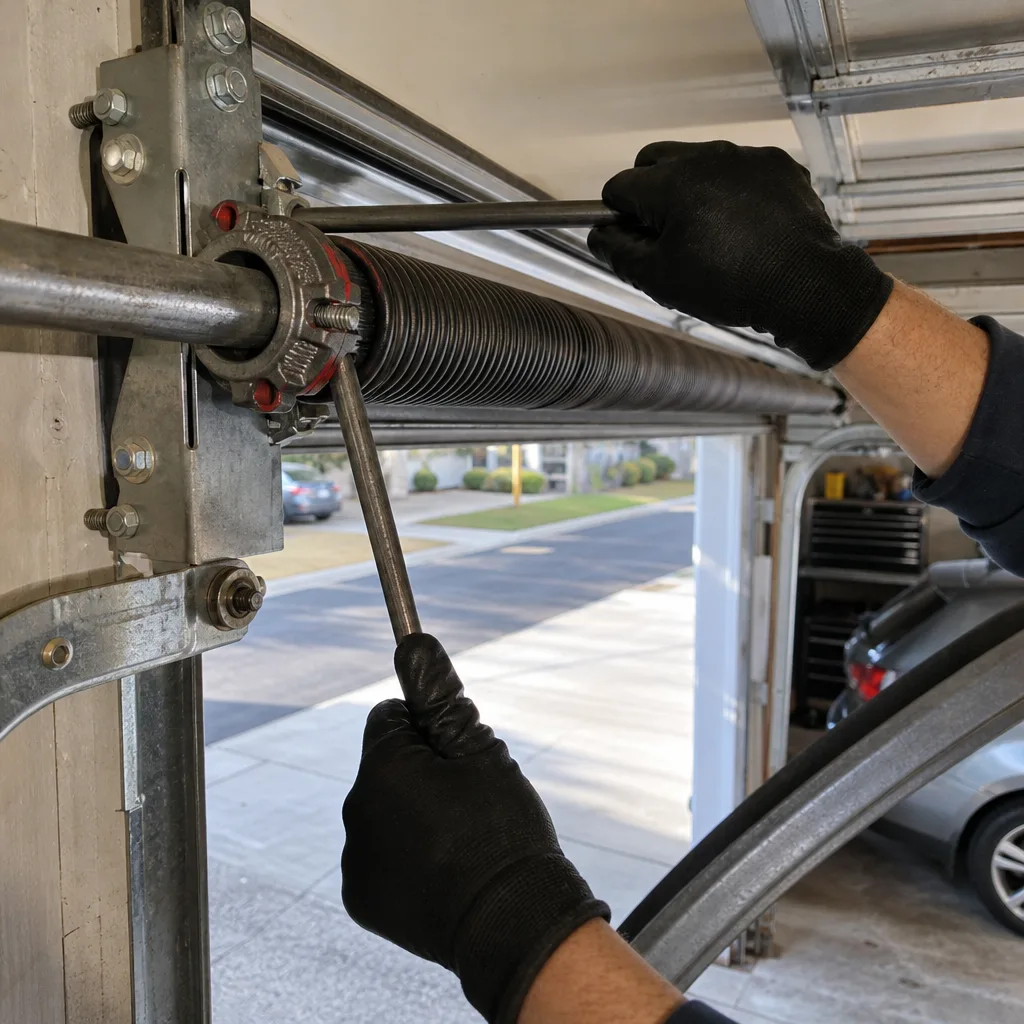
You’ll often know it by the sound (a sharp bang from the garage) and by what happens next: the door becomes either very heavy or refuses to move at all. The torsion spring is what counterbalances the door’s weight. When it snaps, the opener is suddenly trying to lift a door it was never designed to lift on its own. Continuing to run the opener in that condition can damage the opener motor, bend the rail, or cause the door to come down hard.
A broken spring is a stop-use situation. This is one of the most dangerous parts on a garage door, and it’s not a job for improvised tools or a quick DIY fix. We handle garage door spring repair with the proper winding bars and safety procedures for exactly this reason. If you suspect a spring has snapped, keep people and vehicles clear and get a trained specialist on the phone.
A dead opener
An opener failure is usually less dangerous than a spring failure, but it can be more confusing. The motor runs but the door doesn’t move. The lights flash. The remote stops working. Or the opener is simply silent, with no response at all. Common causes include a tripped breaker, a dead remote battery, misaligned safety sensors, a stripped gear, or a worn drive belt. Some of these you can check yourself. A loose sensor bracket or a remote needing new batteries is a ten-second fix. A stripped gear is not, and that’s when garage door opener repair becomes the right call.
Brand matters here. Opener diagnostics go faster when the technician knows the specific model, which is why we service LiftMaster, Chamberlain, Genie, and Craftsman systems regularly. If your opener is a Wayne Dalton or Amarr unit paired with a matching door, we cover those too. Knowing the brand makes the difference between a first-visit repair and a second visit waiting on the wrong part.
How to Operate the Manual Release Cord Safely
The manual release cord is the red rope that hangs from your opener’s trolley. Pulling it disconnects the door from the opener so you can raise or lower the door by hand. Most homeowners have never touched theirs. We recommend testing it once a year, in daylight, with nothing and no one under the door.
- Clear the door’s path. Make sure no one is standing in the doorway and nothing is parked or stored where the door will travel.
- Check the door’s position. The door should be fully closed before you pull the cord. Pulling it with the door up can let the door drop.
- Grip the cord firmly and pull straight down. You’ll feel or hear the trolley release. Don’t yank; a smooth downward pull is enough.
- Lift the door by hand slowly. It should feel heavy but manageable. If it feels extremely heavy or won’t lift, stop and don’t force it. That’s a sign of a spring problem, not a release problem.
- Lower the door under control. Never let it drop. Guide it down with both hands and let it settle fully closed.
- Re-engage the door. With the door closed, pull the cord again or use the opener to run the door up until the trolley clicks back onto the carriage. Run the opener once to confirm the door cycles normally.
If the cord won’t pull, feels slack, or snaps back without releasing the trolley, the mechanism has likely seized from disuse and needs attention. That’s the scenario this guide opened with, and it’s worth fixing before it happens on a bad morning. Just as important: once the door is back on the opener, run it up and down a couple of times to make sure the trolley fully re-engaged. A partial re-engagement is a common cause of a door that moves a few inches and stops.
What to Do When the Door Is Stuck Open
A door stuck in the open position is a security problem first and a mechanical one second. Before you do anything about the door itself, secure the space behind it. Close the door from the garage into the house. Move anything valuable out of sight. If you’re leaving for the day and can’t get the door down, treat the garage as open to the street.
On the mechanical side, there are temporary options to get the door closed, and they depend on the failure.
- If the opener won’t respond but the door moves freely by hand: use the manual release, lower the door slowly by hand, and re-engage the trolley. The door will stay closed until you can get the opener looked at.
- If the door is off its track or a cable has come loose: don’t force it. Lowering a door that’s off-track can bend panels or pull a cable free, and that turns a smaller repair into a full-door job. Leave it where it is and call a specialist.
- If a spring has broken with the door open: this is the case where a door can come down hard if you try to close it yourself. Keep clear, don’t attempt to lower it by hand, and call for emergency service.
For a temporary mechanical hold when the door must stay closed, some homeowners use a set of locking pliers on the vertical track just below the bottom roller as a stop against downward travel. It’s not a fix, and it doesn’t replace a proper repair, but it can hold a door in place for a few hours while you wait for service. Never do this with the door open and people underneath, and never leave the door unattended with the opener running. If you’re not sure whether the door is safe to leave, that’s the moment to call rather than guess.
What to Do When a Spring Breaks Mid-Cycle
A spring can fail while the door is partway up. That’s the most dangerous version of a spring failure, because the door is now in the air with nothing but the opener and gravity deciding what happens next.
Here’s what to do, in order:
- Stop the opener. Don’t press the wall button or remote again. Each cycle puts more strain on a door that has lost its counterbalance.
- Keep everyone clear. That means kids, pets, and cars.
- Don’t stand under the door. A door with a failed spring can drop without warning.
- Call for emergency service. A door in this state can’t be safely lowered by a homeowner, and trying to force it can crack panels or send the door down hard.
In our experience, the most common panel damage we see in Brentwood comes from a homeowner trying to lower a door that’s lost its spring tension by hand. The door is far heavier than it feels when the spring is working, and it doesn’t come down evenly. A trained specialist can lower a failed door without damaging it.
Build a 10-Minute Emergency Kit for Your Garage
This is the part of the guide that prevents most of the panic. A small kit and a few tested tools turn a garage door emergency into an inconvenience you can handle in about ten minutes.
- Lubricant. A can of silicone or white lithium spray lubricant for hinges, rollers, and the track, not the spring itself unless your manufacturer specifies it.
- Spare remote batteries. Match the battery to your remote model. This solves a surprising share of “dead opener” calls.
- The emergency contact number. Write it on a card and tape it to the wall inside the garage, not just stored in your phone. That way anyone in the household can find it.
- A disconnect key. Some openers use a key to release the trolley rather than a pull cord. Know which one yours has and where the key lives.
- A small flashlight. If the door is stuck closed in a windowless garage, you’ll want to see the release cord and the track.
- Locking pliers. For a temporary hold on the track, as described above.
Store the kit on a hook or shelf near the garage’s interior door, not on the far wall behind the car. If the car is trapped inside and the door is stuck, the kit needs to be reachable without moving the vehicle. Give the cord and release mechanism a test at the same time, once a year, so you know it works before you need it.
Can This Wait Until Business Hours?
Not every garage door problem is an emergency. Some can wait until a scheduled visit, and knowing the difference saves money and stress. Here’s how we sort it.
Usually safe to schedule
- The door closes and locks, but the opener is noisy or the remote is finicky.
- A single panel is dented but the door travels normally.
- The door is off its weather seal but still opens and closes.
- The opener’s safety sensors are misaligned (you’ll often see flashing lights); you can gently adjust the sensor bracket yourself.
Call for emergency service
- The door is stuck open and won’t close.
- A spring has broken and the door won’t lift, or is stuck partway up.
- A cable has snapped or come loose from the drum.
- The door is off its track, leaning, or one corner is sagging.
- Anything involving a door that’s been left open and unsafe overnight.
When In doubt, call. Brentwood Garage Door Repair Pros offers free estimates, and a five-minute phone conversation is a lot cheaper than a door that comes down on a car. Call (833) 348-8658. We answer 24/7. Fast dispatch from 7am to 7pm, Sunday through Friday. If a call comes in outside dispatch hours, it’s booked into the next opening.
We work on LiftMaster, Chamberlain, Genie, Clopay, Amarr, Wayne Dalton, Craftsman, and Raynor equipment, so the brand on your door and opener isn’t a roadblock. We’ve built our whole service around that range, which is why garage door repair is a same-day option for most situations and why we can usually tell you what’s wrong before we arrive.
Common Mistakes to Avoid
- Forcing a door that won’t move. If the door is stuck, the opener or a broken spring is the problem. Running the opener repeatedly can strip gears or bend the rail, and it’s the most expensive mistake on this list.
- Pulling the manual release with the door up. A door in the raised position can drop when you release the trolley. Always pull the cord with the door fully closed.
- Ignoring a seized release cord. If your cord hasn’t been pulled in years, test it in daylight before you need it. A cord that won’t release the trolley is a hidden failure waiting on a bad morning.
- DIY spring repair. Torsion springs are under high tension. Improvised tools and no winding bars are a recipe for serious injury. This is the one repair we always recommend leaving to a trained specialist.
- Leaving a door stuck open overnight. The mechanical problem can wait until morning. The open doorway can’t. Close and lock the door from the garage into the house and, if you have to leave, secure the garage as best you can.
- Storing the emergency kit behind the car. If the car is trapped when the door fails, you can’t get to the kit. Keep it near the door that leads into the house.
- Assuming a dead opener means a new opener. A remote battery, a tripped breaker, or a misaligned sensor is a much cheaper fix than replacement, and it’s worth checking before you replace anything.
See the difference
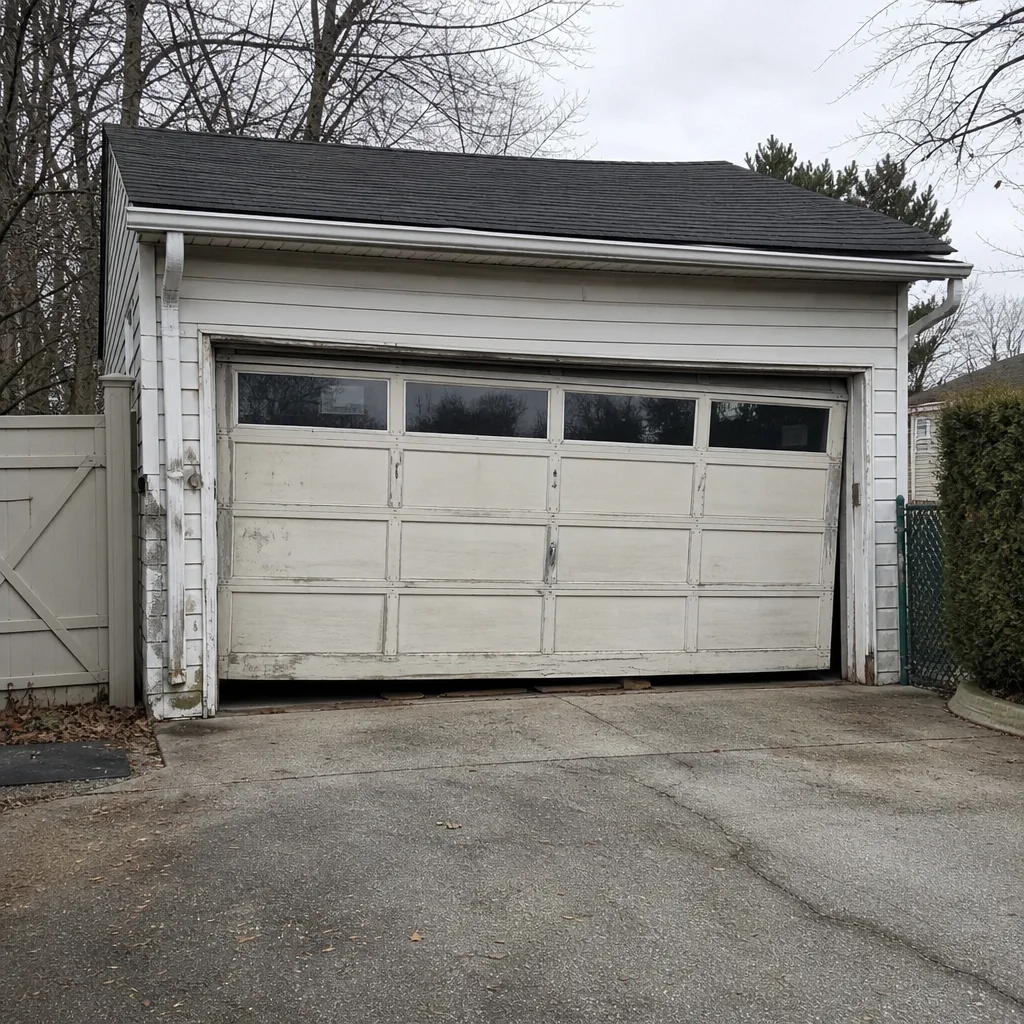 Before
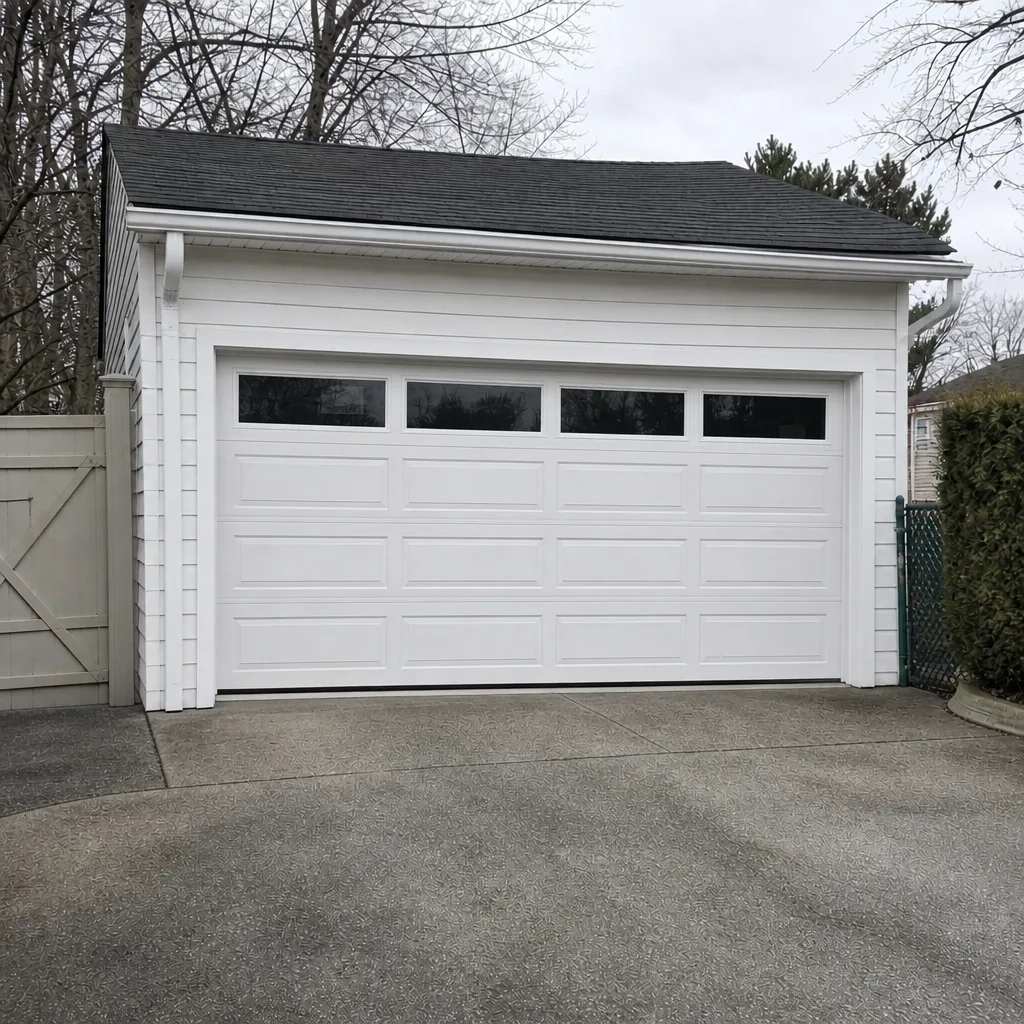 After
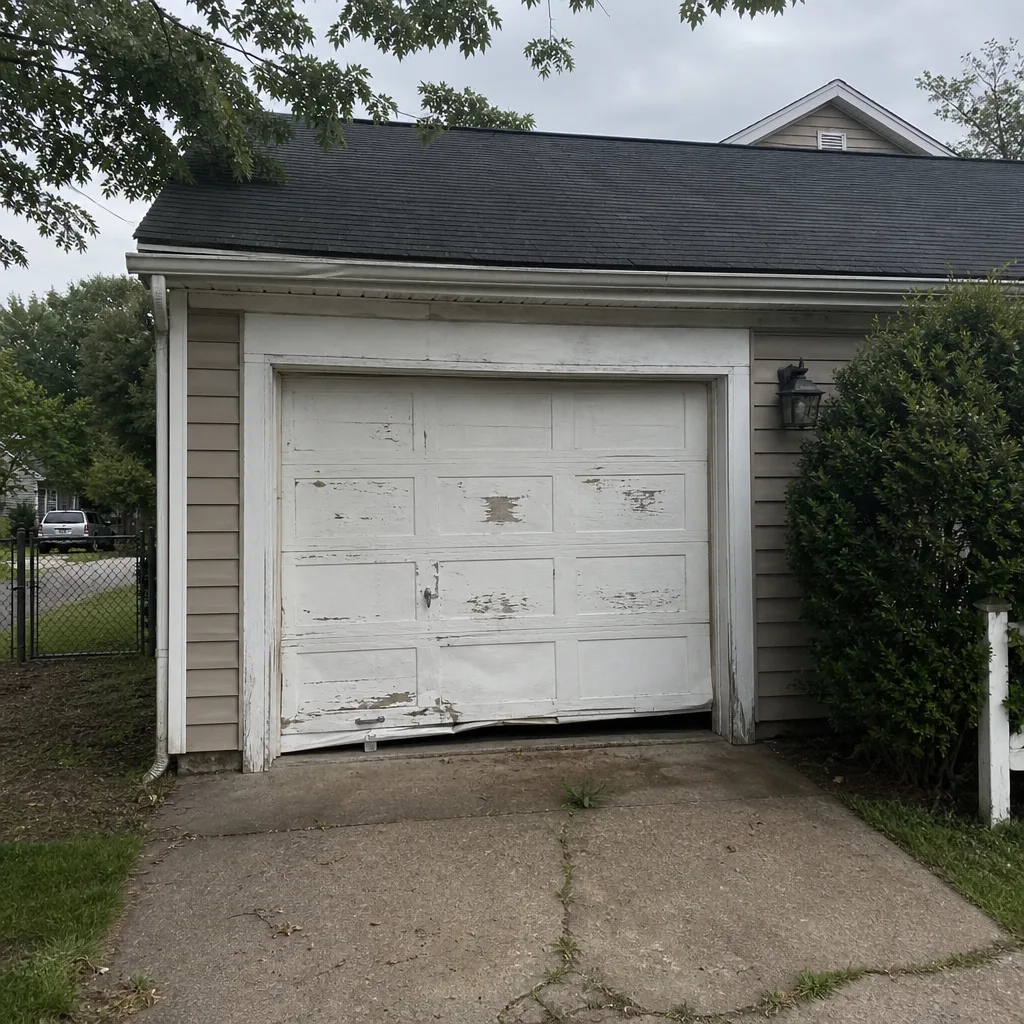 Before
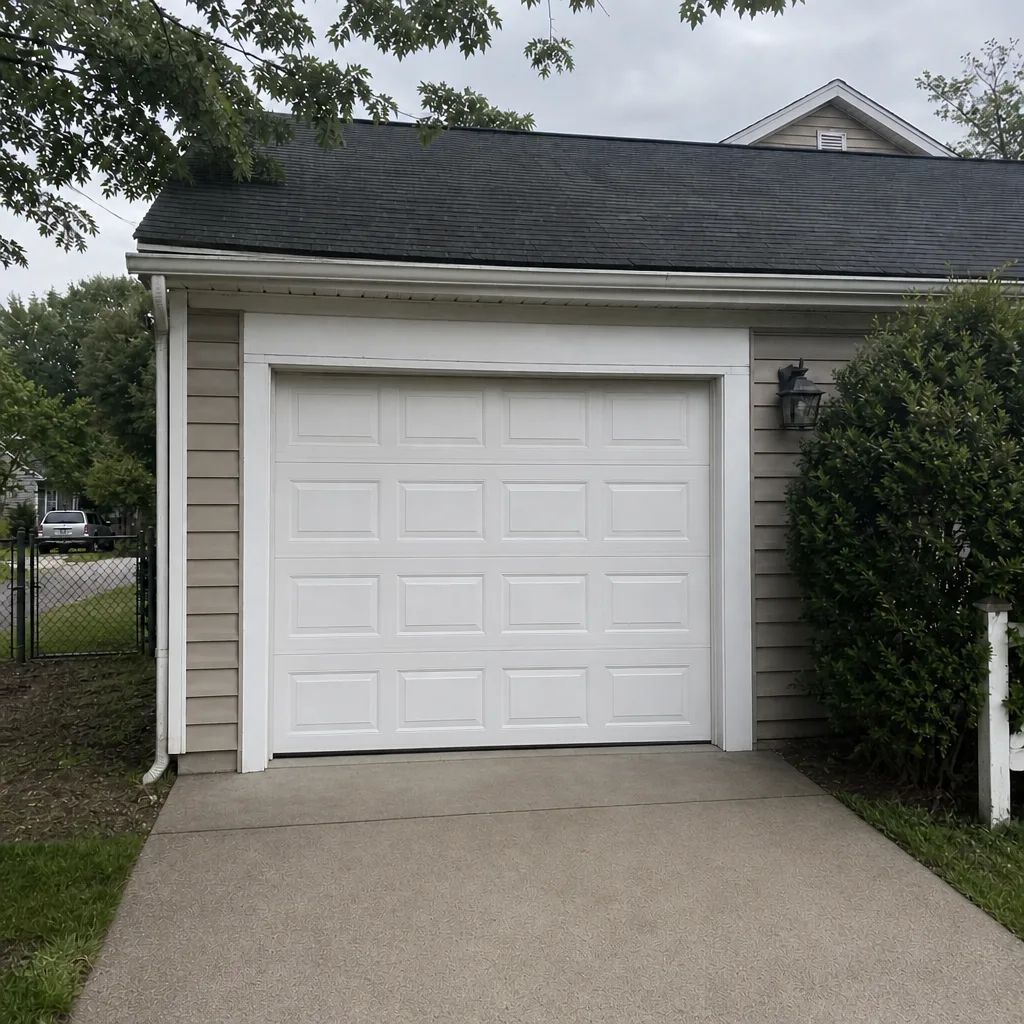 After
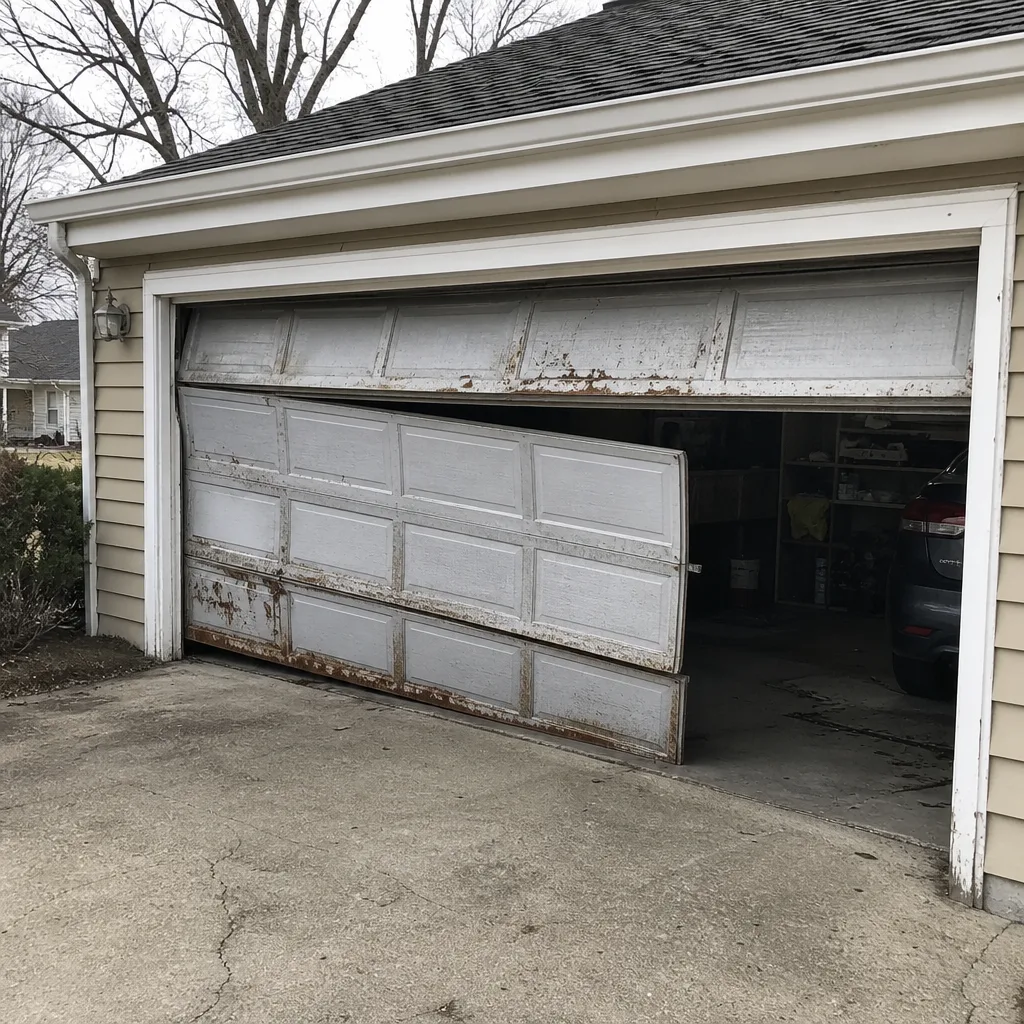 Before
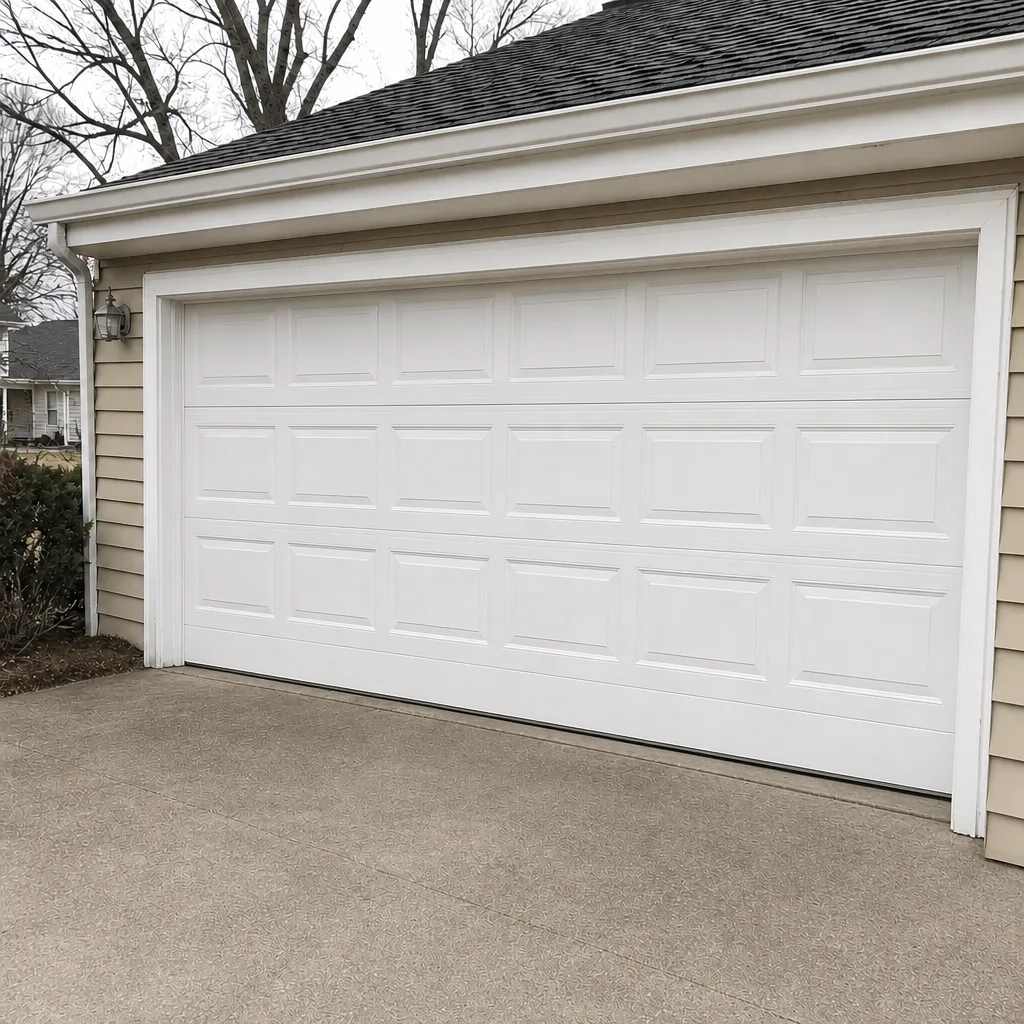 After
When to Call a Professional
Call a professional when the door won’t safely move, a spring has broken, a cable has snapped, the door is off its track, or the opener’s problem is more than a battery or a sensor. Call sooner if the door is stuck open and your home’s security depends on it. Brentwood Garage Door Repair Pros offers free estimates in Brentwood, and our technicians have up to 9 years of experience. We’re a garage door specialist, not a multi-trade handyman service, so every visit is handled by someone whose entire skill set is built around garage doors. Call (833) 348-8658. We answer 24/7. Fast dispatch from 7am to 7pm, Sunday through Friday.
Frequently Asked Questions
The price depends on what failed, so we quote it per job after we see the door. A spring repair typically costs $180 to $340 for one spring, and a matched pair is usually replaced together because the second spring is the same age as the first. The written estimate sets the final price, and the price is quoted and agreed before any work starts. Call (833) 348-8658 for an exact quote; estimates are free.
Yes, same-day service is available for most emergency situations, and we dispatch Sunday through Friday from 7am to 7pm. We answer the phone 24/7, and a call outside dispatch hours is booked into the next opening. Call (833) 348-8658 to schedule.
No. The price we quote is the price in the written estimate, and that written estimate is agreed before any work starts. If we find something the estimate didn’t cover, we talk it through and get your approval before we touch it. Call (833) 348-8658 for a free estimate.
The local professional we connect you with is licensed and insured as their state requires. We also service LiftMaster, Chamberlain, Genie, Clopay, Amarr, Wayne Dalton, Craftsman, and Raynor equipment, so the brand on your door isn’t a barrier. Call (833) 348-8658 for a free estimate.
Stop using the door and keep everyone clear. A broken spring means the door is no longer counterbalanced, so running the opener can damage it, and trying to lower the door by hand is how panels get cracked. Call (833) 348-8658. We answer 24/7. Fast dispatch from 7am to 7pm, Sunday through Friday.
Some problems are safe to check yourself: a remote battery, a tripped breaker, a sensor that’s been bumped out of alignment. Anything involving a spring, a cable, a door off its track, or a door that’s stuck open is not. Call (833) 348-8658 and we’ll tell you whether it can wait until a scheduled visit or needs same-day attention. Estimates are free.
The Bottom Line
A garage door emergency in Brentwood is usually one of two problems: a broken spring or a dead opener. The safe response depends on the door’s position and the failure. What you can control is the ten minutes before a professional arrives. Test your manual release cord once a year, so you know it works before it matters. Build a small kit with lubricant, spare remote batteries, a flashlight, locking pliers, and the emergency phone number on a card taped inside the garage. And know the line between “this can wait” and “this needs a call today.” Call (833) 348-8658 for a free estimate. We answer 24/7. Fast dispatch from 7am to 7pm, Sunday through Friday, and we work on your brand, whichever of the eight major manufacturers it happens to be.
Written by the team at Brentwood Garage Door Repair Pros.