
Last updated November 22, 2026
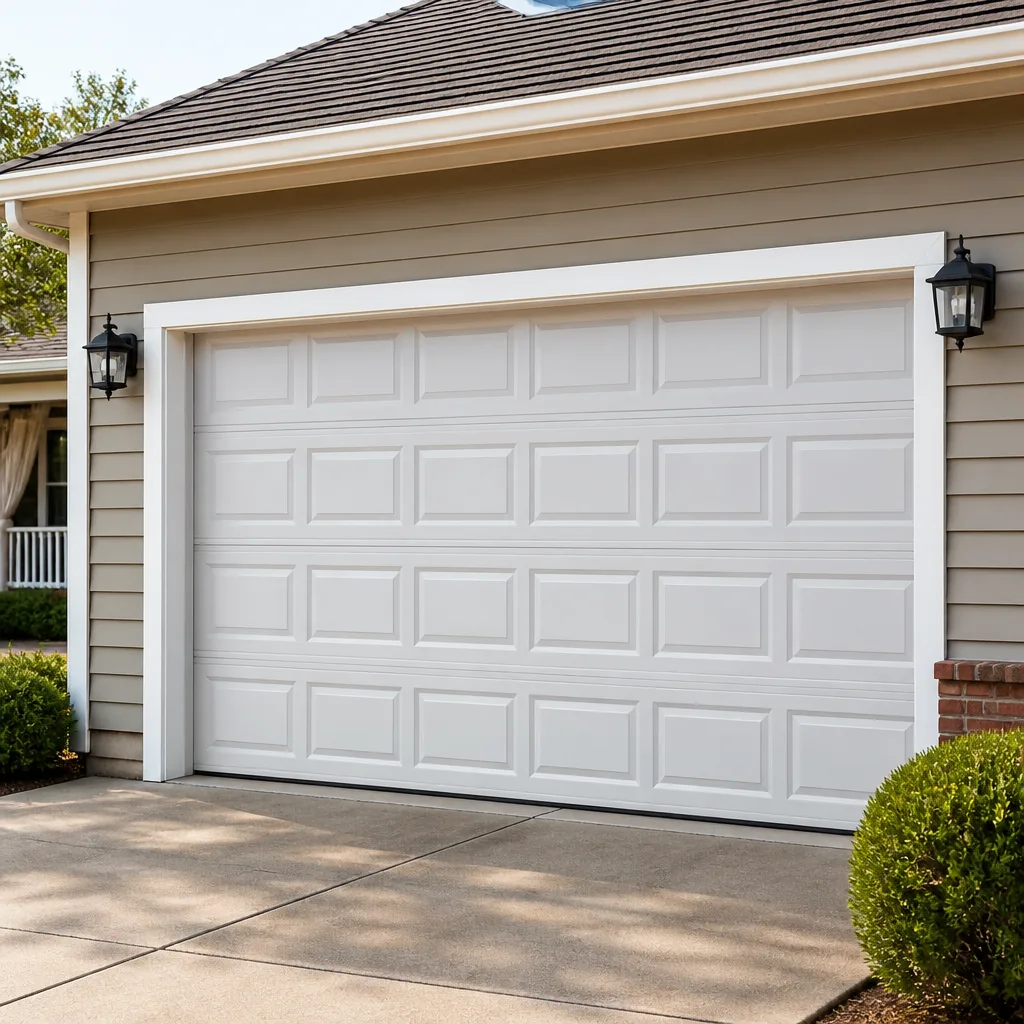 Raised-panel steel
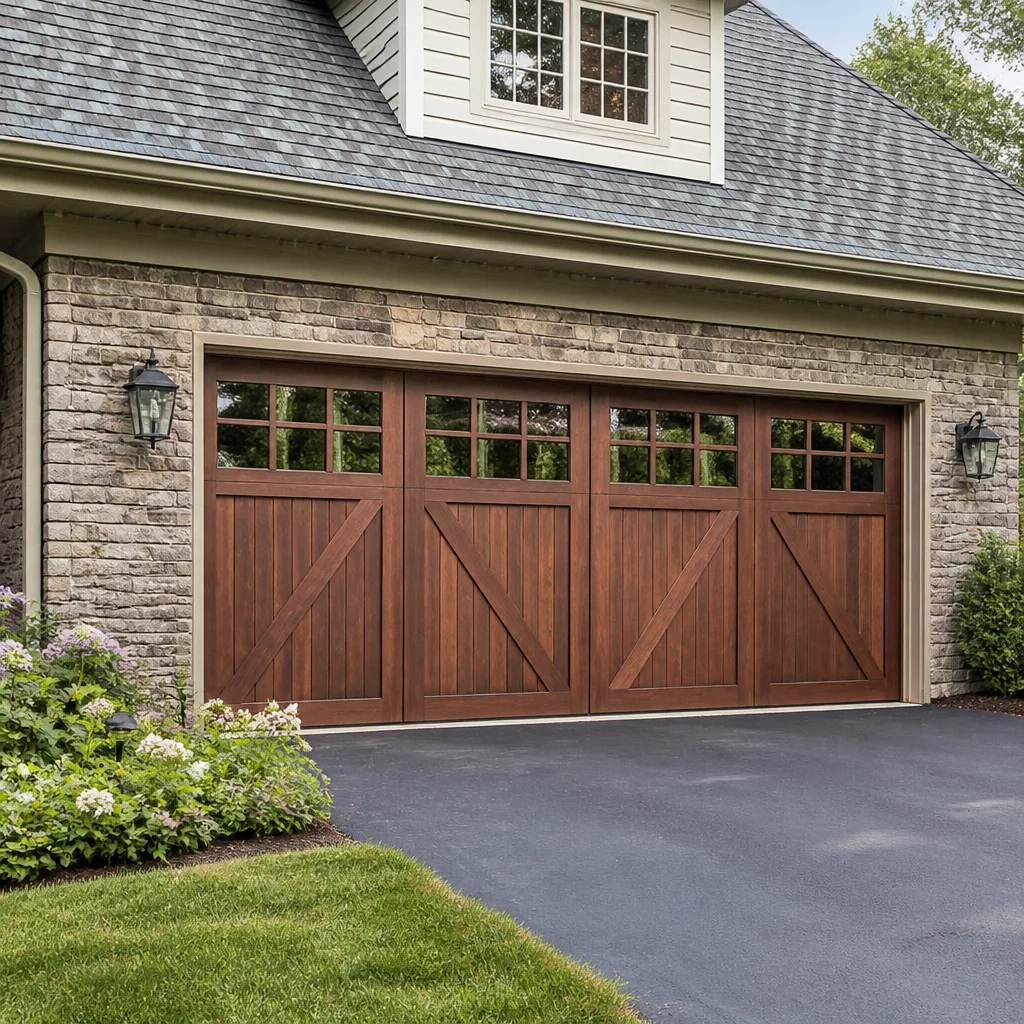 Carriage house
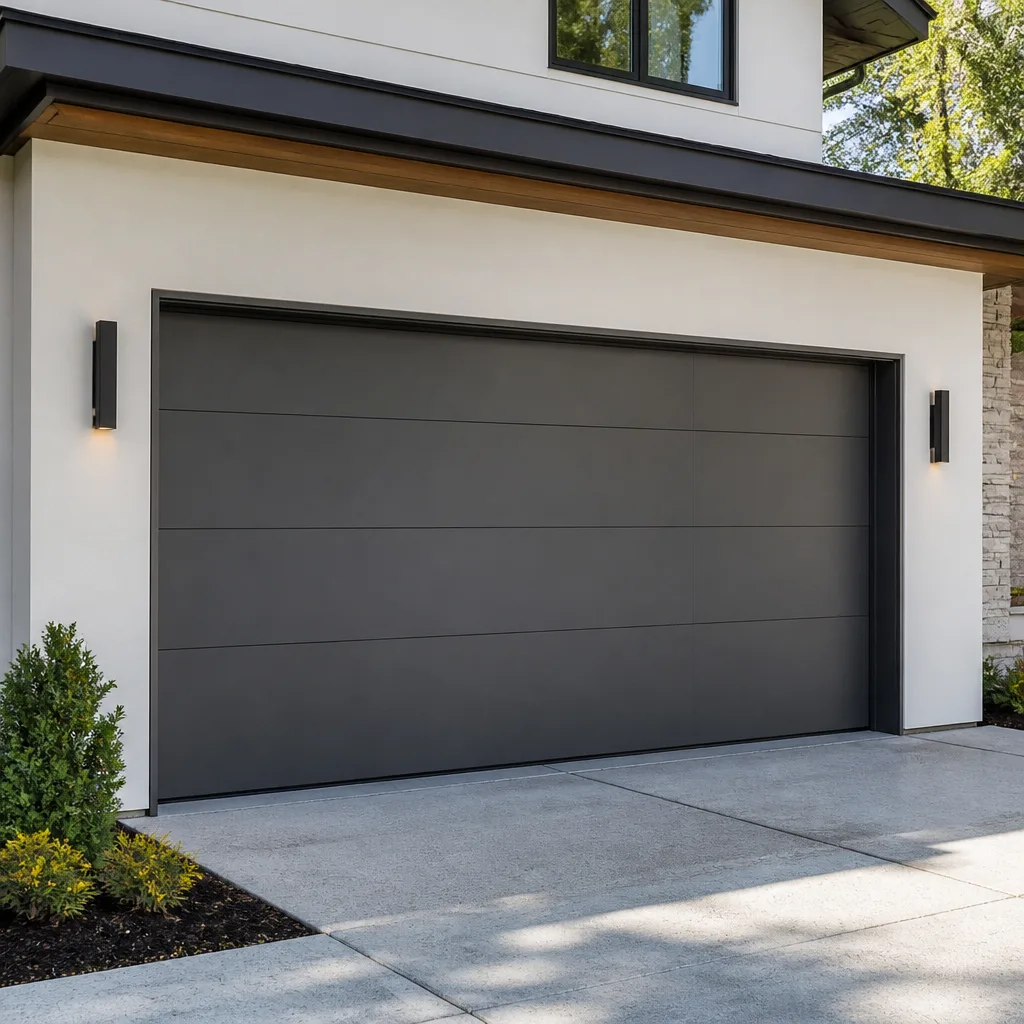 Modern flush
 Full-view glass
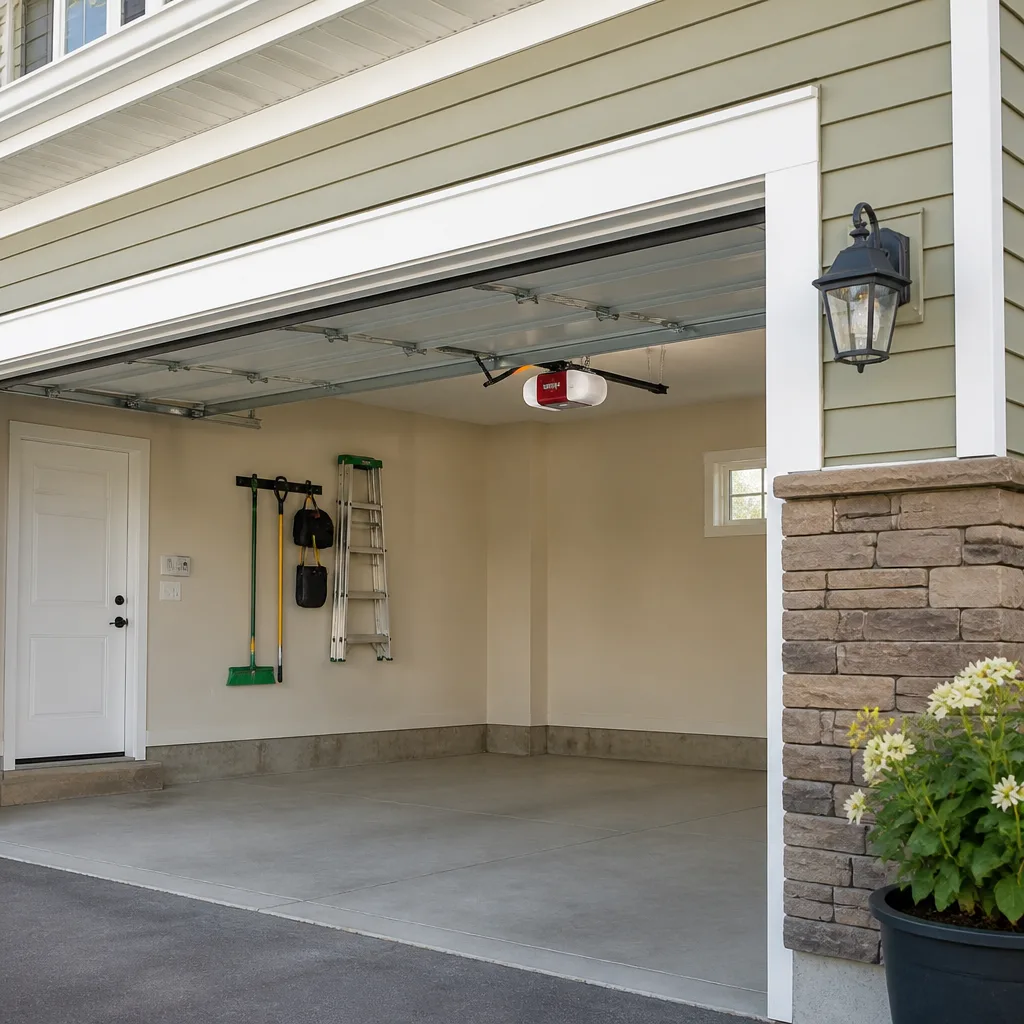 LiftMaster openers
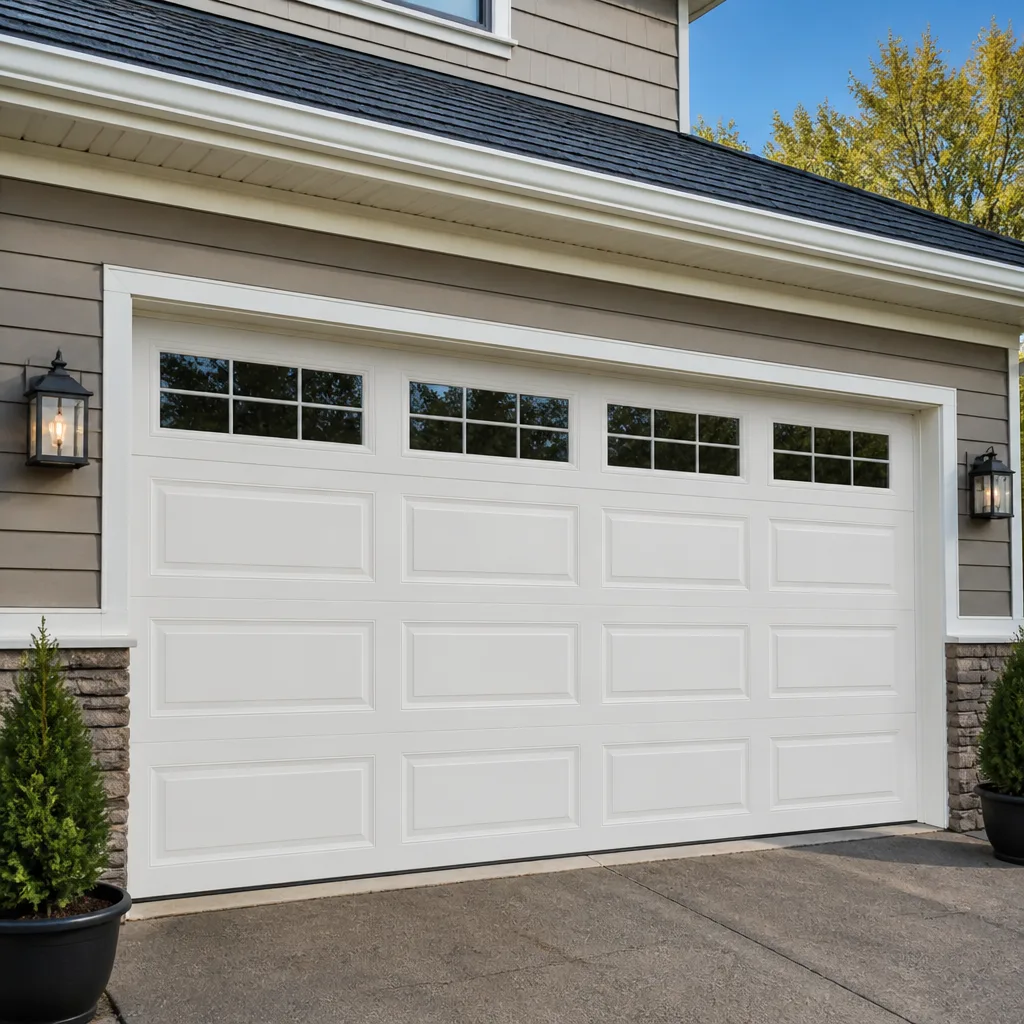 Chamberlain openers
Full 25-point door and opener safety check with every visit - springs, cables, rollers, tracks, and your LiftMaster or Chamberlain opener included
You get a price before we start. It does not change when the pro arrives.
Get your free estimateGarage Door Repair Maintenance Schedule: What to Do and When
Silicone spray on a torsion spring is one of the most common homeowner mistakes we hear about, and most maintenance guides still recommend it. Silicone feels slick going on, so it seems right. But on a torsion spring it does the opposite of what you want: it dries tacky, traps grit against the coil, and speeds up corrosion instead of preventing it. The lubricant you choose matters more than how often you reach for it. This guide gives Brentwood homeowners a month-by-month schedule tied to real mechanical wear cycles, a compatibility chart for springs, rollers, hinges and tracks, the 2×4 force and balance test that predicts opener failure 6 to 12 months out, and the cable wear indicators worth watching. The goal is simple: catch failures before they strand a car in the garage.
Quick Answer
A garage door needs small attention every month, deeper lubrication and adjustment quarterly, and a full professional safety inspection once a year. At minimum, lubricate springs, hinges, rollers and tracks with the correct product every three to six months, and run a force and balance test every month or two so wear shows up early. In Brentwood’s humid summers and freezing winters, the seasonal swings accelerate wear on cables and springs, so timing tasks to the calendar beats a generic twice-a-year routine.
Styles & brands we work with
- Raised-panel steel
- Carriage house
- Modern flush
- Full-view glass
- LiftMaster openers
- Chamberlain openers
Table of Contents
- The Brentwood Month-by-Month Maintenance Calendar
- Lubricant Compatibility: Springs vs. Rollers vs. Hinges vs. Tracks
- How to Run the Force and Balance Test with a 2×4
- Visual Inspection: Reading Cable Wear at Three Stages
- Maintenance Tasks That Void Manufacturer Warranties
- Brand-Specific Notes: Genie, Clopay, and Wayne Dalton
- What You Can Do Yourself and What You Shouldn’t
- When Maintenance Becomes an Emergency
The Brentwood Month-by-Month Maintenance Calendar
A garage door maintenance schedule tied to seasons works better than a vague “twice a year” reminder because our weather here in Brentwood stresses specific parts at specific times. Long Island summers run humid, which speeds corrosion on exposed steel. Winters drop below freezing and freeze-thaw cycles work on hinges and bearings. Timing your tasks to those windows means you address each part before the stress hits, not after.
Here’s how we lay out the year:
- January: After the coldest weeks, inspect weather seals around the door edges. Cold makes the bottom seal stiff and cracked, and a stiff seal drags on the opener. Check hinges for frost-related stiffness and listen for new grinding sounds.
- February: Lubricate hinges and bearings with lithium grease or white lithium spray. Winter is when metal-on-metal contact shows up as noise. Schedule this before spring opens the door more often.
- March: Run your force and balance test (see the 2×4 method below). Spring tension and balance are easiest to judge as the door starts cycling more.
- April: Clean and inspect tracks. Winter grit collects in the track channels and a dirty track causes roller binding that feels like a failing opener.
- May: Lubricate torsion springs with a dedicated spring lubricant or a light motor oil. This is the month to check every roller and replace any that are flat-spotted or wobbling.
- June: Wash the door panels and inspect for rust spots or paint bubbling, especially on steel doors. Summer humidity is when corrosion begins.
- July: Recheck seals for dryness and cracking from heat. Inspect the opener’s safety sensors for alignment and clean the lenses.
- August: Full visual inspection of cables for fraying (details below). Cables that survived winter need a careful look before fall.
- September: Lubricate all hinges, rollers and springs a second time. This is the key pre-winter pass because the door will cycle more in cold weather.
- October: Check all fasteners and tighten any loose track brackets. Ground shifting from summer storms often shifts what’s bolted down.
- November: Test the opener’s auto-reverse and force settings before the coldest months. A weak opener struggles in cold weather.
- December: Clear snow and ice from the door path (never force the door open if it’s frozen to the ground). Inspect seals again and book your annual professional inspection for the new year.
Several of these tasks you can complete in an afternoon. The annual inspection is where a specialist catches what you can’t see. In Brentwood, the trick is matching the calendar to what the weather actually does here rather than a generic regional schedule that assumes a milder climate.
Lubricant Compatibility: Springs vs. Rollers vs. Hinges vs. Tracks
The single biggest maintenance mistake is using one lubricant on everything. Springs, rollers, hinges and tracks are made of different materials and they need different products. Use the wrong one and you either attract dust, dry out the metal, or gum up a mechanism that needs to slide freely. Here’s the compatibility picture we give our Brentwood customers:
- Torsion springs: Use a spring-specific lubricant or a light motor oil. Never use silicone spray. It dries tacky and leaves grit that accelerates corrosion on the coil. Never use WD-40 as a lubricant either; it’s a solvent, not a lubricant, and it will strip existing lubrication.
- Extension springs (if you have them): Same rule. A light oil or spring lubricant, applied sparingly. Wipe off excess so dust doesn’t collect.
- Rollers (steel): A few drops of light oil on the stem and bearing area. Do not soak them. Excess oil attracts dirt against the bearing and shortens roller life.
- Rollers (nylon): No lubricant needed. Nylon rollers work best dry. Adding oil can attract grit that wears the nylon faster.
- Hinges: White lithium grease or a silicone-based grease designed for metal-on-metal contact. Grease stays in place better than oil on hinges that carry the door’s weight.
- Tracks: Never lubricate the tracks. Oil on the track traps dust and turns the channel greasy, which makes roller binding worse. Wipe tracks clean with a dry cloth and inspect for bends.
One more note on the spring rule: this is where the silicone myth does the most damage. A torsion spring does its work under enormous tension, and the coil surface is where corrosion starts. A dedicated spring lubricant or plain motor oil penetrates the coil and stays fluid. Silicone doesn’t. On a Genie or LiftMaster system with heavy cycling, that difference shows in the spring’s lifespan. If your springs are already showing rust and you’re not sure of their condition, that’s a job for garage door spring repair rather than a lubrication pass.
Apply lubricants with the door closed and never put your hands near a spring under tension. A torsion spring holds punishing force even on a door that looks relaxed, and the coil is not a component to touch, poke or test by hand. That’s a specialist’s job, and it’s why spring work is one of the few garage door tasks we tell homeowners to leave alone entirely.
How to Run the Force and Balance Test with a 2×4
The 2×4 test is the one diagnostic that predicts opener motor failure 6 to 12 months before it happens. It checks two things: whether the door is balanced (springs doing their share of the lifting) and whether the opener’s force setting is doing more work than it should. A door that fails this test but still opens and closes is on borrowed time. The opener motor is compensating for a problem the springs should be handling.
Here’s how it works, step by step:
- Disconnect the opener. Pull the emergency release cord so the door runs by hand only. Never run this test with the opener engaged.
- Lift the door halfway. Raise it to about waist height and stop. Let go gently.
- Watch what happens. A properly balanced door stays where you left it. If it drops on its own, the springs are losing tension. If it rises on its own, the springs are over-tensioned.
- Place a 2×4 flat on the floor in the center of the door’s path, on the ground.
- Lower the door by hand until it meets the 2×4. It should reverse or stop hard against the wood without crushing it.
- Reconnect the opener and try the same test with the door powered. The opener should reverse when it feels the obstruction.
If the door doesn’t stay put halfway, or doesn’t reverse on the 2×4, don’t adjust the opener force to force it. That masks a spring problem instead of fixing it. In Brentwood humidity and cold, springs lose tension gradually, and this test is how you catch it early. A balanced door also means the opener motor lasts longer, because it’s lifting a door the springs have already helped.
Run this test every month or two, and always before winter. It takes two minutes and tells you more about the health of your system than any visual check.
Visual Inspection: Reading Cable Wear at Three Stages
Garage door cables are under constant tension, and they’re one of the parts you can’t judge from the outside without knowing what to look for. A cable that’s starting to fail doesn’t usually snap without warning. It shows wear in stages. Here are the three stages, from earliest to late:
- Stage 1 – Surface fraying: A few individual strands along the cable surface look rough or slightly separated from the main bundle. The cable still holds tension and the door runs normally. This is the earliest warning, and it’s the stage to schedule professional inspection. A failing cable at this stage is still fixable before it lets go.
- Stage 2 – Birdcaging: The outer strands have separated from the core and the cable looks like a loose spiral or “birdcage” over a section. Tension is compromised. The door may still run but could be uneven, jerky or off-track. Stop regular use and call a professional.
- Stage 3 – Broken strands or a fully snapped cable: The bundle is visibly broken, or the cable has separated entirely. The door may hang at an angle or drop on one side. This is a hard stop. Don’t operate the door. A snapped cable under tension is dangerous and can whiplash.
Cables live near the springs and the drums at the corners of the door. In our experience around Brentwood, humidity accelerates corrosion along the cable where it wraps the drum. Look for rust stains near the drum as an early hint. If you see anything in Stage 2 or Stage 3, keep everyone away from the door and call a pro rather than trying a DIY fix. Cable replacement is a spring-level job; the cable is under the same tension the springs hold.
Visual cable checks are the easy part of maintenance. The harder part is knowing when wear has moved past what you can see. That’s what a professional inspection catches.
Maintenance Tasks That Void Manufacturer Warranties
Opener warranties are narrower than most homeowners realize. If you skip certain maintenance tasks, or do them the wrong way, the warranty coverage can be affected on common openers, including Genie, Chamberlain and LiftMaster models. This matters in Brentwood because those three brands are among the most common on Long Island homes.
Here’s what to watch:
- Skipping the force and balance test: Manufacturers specify that the opener’s force and reversal settings must be tested at intervals. If the opener fails because it was running against a badly balanced door for a year, the warranty claim can be denied.
- Adjusting force or travel limits as a workaround: Cranking up the force setting to get a heavy door moving masks a spring problem and stresses the motor. This is the most common way homeowners shorten an opener’s life and risk warranty coverage.
- Using the wrong lubricant: Some opener manufacturers specify lubricants, and putting the wrong product on moving parts can void or limit coverage on those components. Silicone on a torsion spring is a good example; the wrong product accelerates wear rather than reducing it.
- Ignoring an out-of-balance door: If the door needs a hand to lift or drops when tested, the springs need service. Running the opener against unbalanced springs stresses the motor every cycle.
- Not servicing the opener’s sensors: Clean, aligned safety sensors are part of the manufacturer’s operating requirements. A dirty sensor that keeps stopping the door isn’t a warranty claim; it’s a maintenance task.
The pattern across all of these is simple: maintain the door itself and the opener works as designed. The door is what the opener lifts. When the door is out of balance, the opener takes the load it wasn’t built to carry. If your opener is already struggling, you can find garage door opener repair for a diagnostic before the motor fails.
Read your owner’s manual for the specific maintenance intervals your manufacturer requires. Each brand words its warranty differently, but the principle holds: keep the door balanced and the opener level, and the warranty stays intact.
Brand-Specific Notes: Genie, Clopay, and Wayne Dalton
Owner’s manuals vary by manufacturer, but a few common notes are worth having in one place for the brands we work on most in Brentwood.
Genie Openers
Genie openers commonly run on belt or chain drives, and the belts should be checked for slack and wear. A Genie opener that reverses slowly or beeps at random is often a sign of sensor misalignment or a door that’s out of balance. Check the door’s balance with the 2×4 test first. Most of the time the opener is reporting a problem with the door, not its own motor.
Clopay Doors
Clopay doors are common on Long Island homes, and the painted steel and insulated panel options here show their age faster in humid summers. Clopay’s recommended maintenance is straightforward: check the bottom seal annually, look for rust at the panel seams, and keep hinges lubricated. If the door is a steel-backed insulated model, keep an eye on the interior panel seams, where condensation from humidity can start corrosion you won’t see from outside.
Wayne Dalton Doors
Wayne Dalton model lines include several torsion-spring designs, and their doors benefit from the same spring-lubrication schedule detailed above. Their hardware is generally robust, but the track brackets are worth a tightening pass once a year, especially after a winter of freeze-thaw.
For all three brands, the maintenance math is the same. A door that’s balanced to within a few pounds, a door with a clean track and correctly lubricated moving parts, is a door that needs less from its opener. Our technicians work on your brand, so when a door or opener problem goes past what routine maintenance can fix, the diagnosis starts in the right place. If your door is a different brand, you can find more on garage door repair for the full range of what we handle.
What You Can Do Yourself and What You Shouldn’t
Some maintenance belongs in your hands, and some of it belongs with a specialist. Knowing which is which keeps your system safe and saves you wasted effort. Here’s how we draw the line for our Brentwood customers.
Safe to do yourself:
- Visual inspection of cables, seals, hinges and tracks (looking, not touching)
- Running the force and balance test with the door disconnected and the 2×4
- Cleaning tracks with a dry cloth and inspecting for bends
- Lubricating hinges, rollers and springs with the correct product
- Washing steel door panels and noting rust spots
- Cleaning and aligning opener safety sensors
Leave to a specialist:
- Adjusting or replacing torsion springs (springs are under dangerous tension)
- Replacing cables or drums
- Replacing hinges or rollers that are flat-spotted or seized
- Re-tensioning existing springs
- Any adjustment to the torsion bar or spring system
Springs are the line. A torsion spring can carry enough stored energy to cause serious injury, and the tools to handle one safely are not the ones in your garage. Many homeowner injuries on garage doors come from an improvised spring repair. If your spring is failing, that’s a specialist’s job.
We handle spring repair with trained specialists and the right tools. Our technicians have up to 9 years of experience, and when a job involves springs or cables, we treat it as the safety-critical work it is. A free estimate tells you whether a repair is needed before anyone touches a tool. Call (833) 348-8658 to book one.
When Maintenance Becomes an Emergency
Good maintenance prevents most failures, but doors still break at inconvenient times. The difference is that a broken spring, a snapped cable, or a door that’s fallen off its track is dangerous even when it’s not moving, because the door isn’t supported correctly. A door stuck halfway up in Brentwood is also a security problem, since your garage is easier to enter when it’s not fully closed.
Here’s when we consider it an emergency and not just an inconvenience:
- A snapped torsion spring with the door still attached (the door can drop without warning)
- A door that’s fallen off the track or is hanging crooked
- A broken cable that has let the door drop on one side
- An opener that has failed with the door stuck open, leaving the home exposed
- Any door that won’t close completely when you’re leaving for work or a trip
In those cases, stop using the door, keep everyone clear, and call us. We answer 24/7, with fast dispatch from 7am to 7pm, Sunday through Friday. Emergency garage door service exists precisely for the moments when an inconvenient door becomes a security concern. A door that’s off track or hanging on a failing cable isn’t something a homeowner should try to force shut.
If your door is in one of these situations right now, don’t wait. Brentwood Garage Door Repair Pros takes calls on failed doors every week, and the priority is getting your home secure.
Common Mistakes to Avoid
- Lubricating a torsion spring with silicone spray. It dries tacky, traps dirt against the coil and speeds corrosion. Use a spring-specific lubricant or light motor oil instead and the spring will last longer.
- Oiling the tracks. Track channels need to stay dry and clean. Oil traps grit that turns into roller binding, and roller binding feels like an opener failure when it’s really a track problem.
- Cranking up the opener force setting to lift a heavy door. This masks a spring problem and puts the load on the motor. Test the door’s balance first, then decide whether springs or the opener need attention.
- Ignoring the 2×4 test because “the door still opens”. A door that opens but fails the balance test is on borrowed time. The motor is doing work the springs should be doing, and it will eventually stop.
- Waiting for Stage 2 cable fraying to call a pro. Stage 1 surface fraying is the warning; Stage 2 birdcaging is the point to stop using the door. A broken cable can whip and is dangerous.
- Force-closing a door that’s frozen to the ground in winter. Pushing through ice puts strain on the springs, opener and cable drums. Clear the ice, then cycle the door slowly. Brentwood winters make this a common self-inflicted failure.
- Skipping the annual professional inspection. A visual check misses spring tension, opener force accuracy and cable wear at the drum. An annual inspection catches problems before they become emergencies.
See the difference
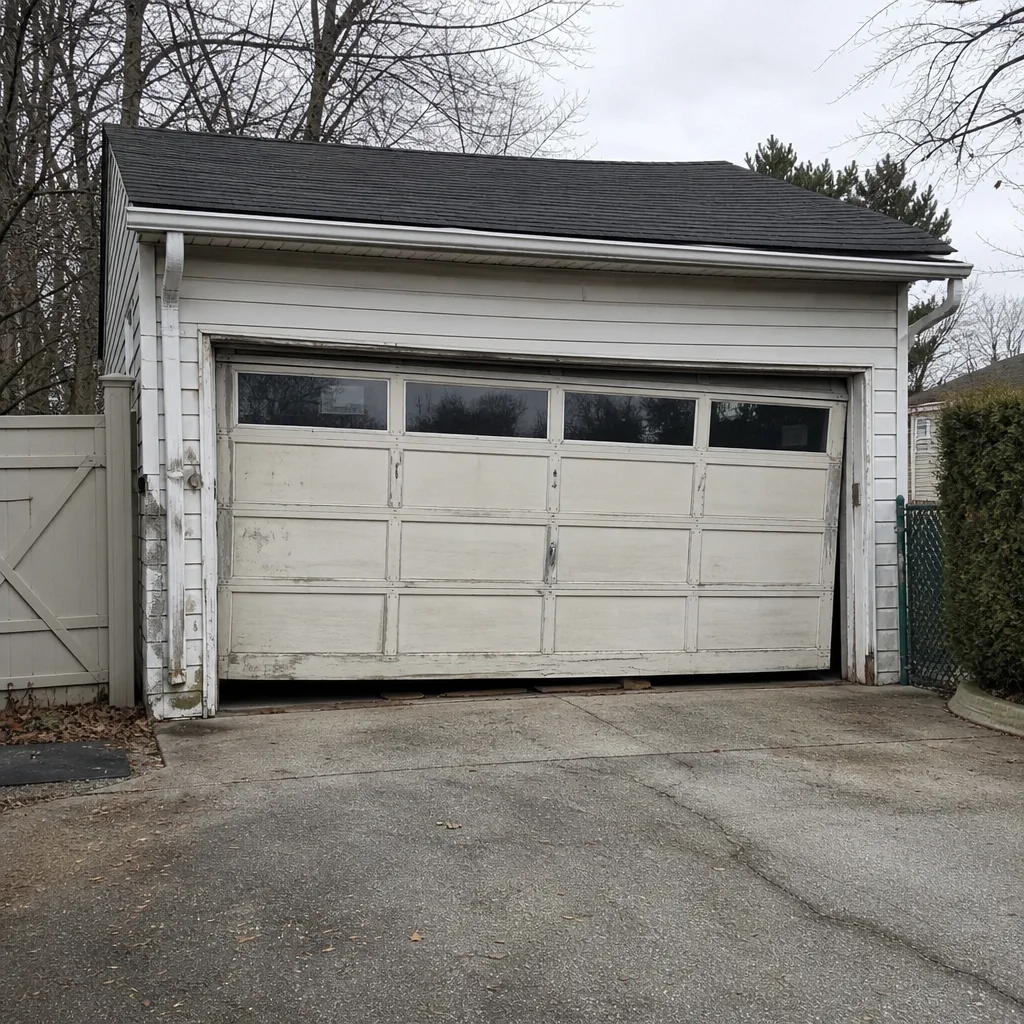 Before
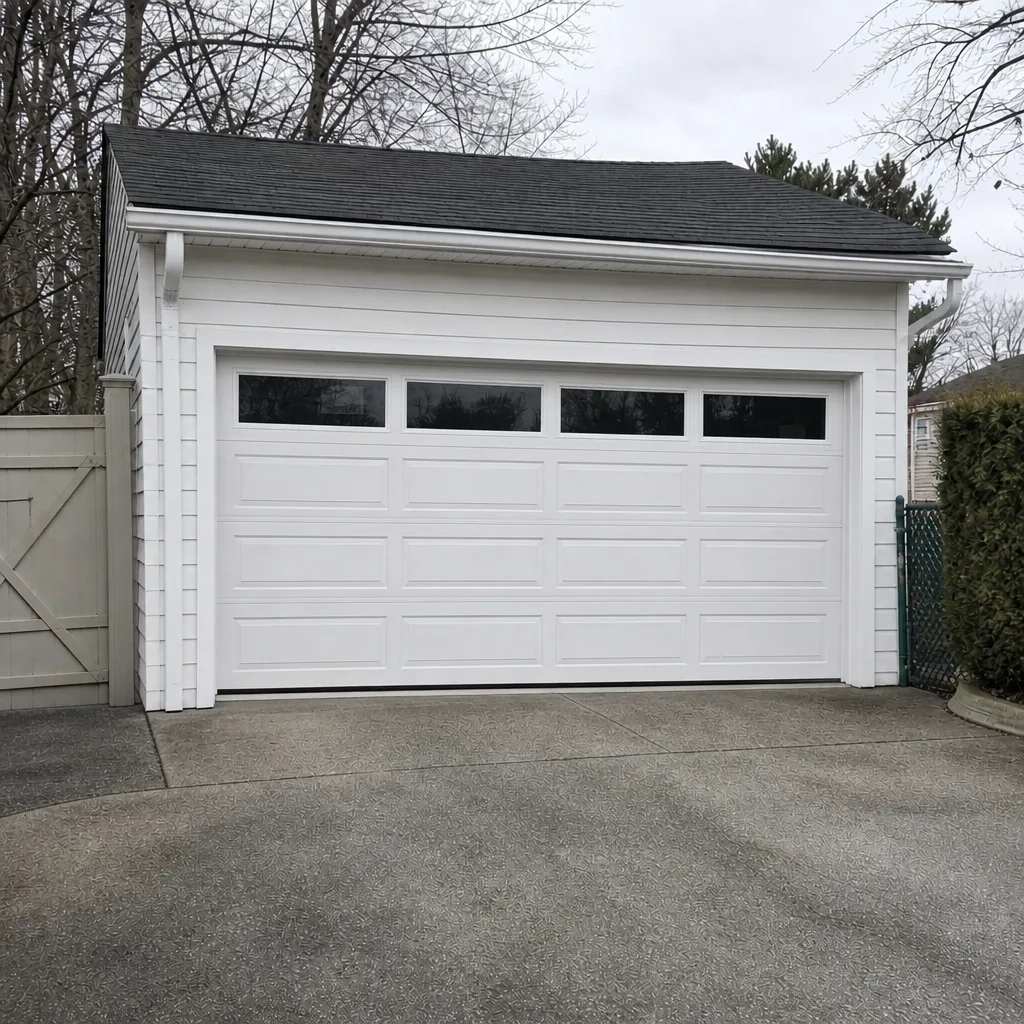 After
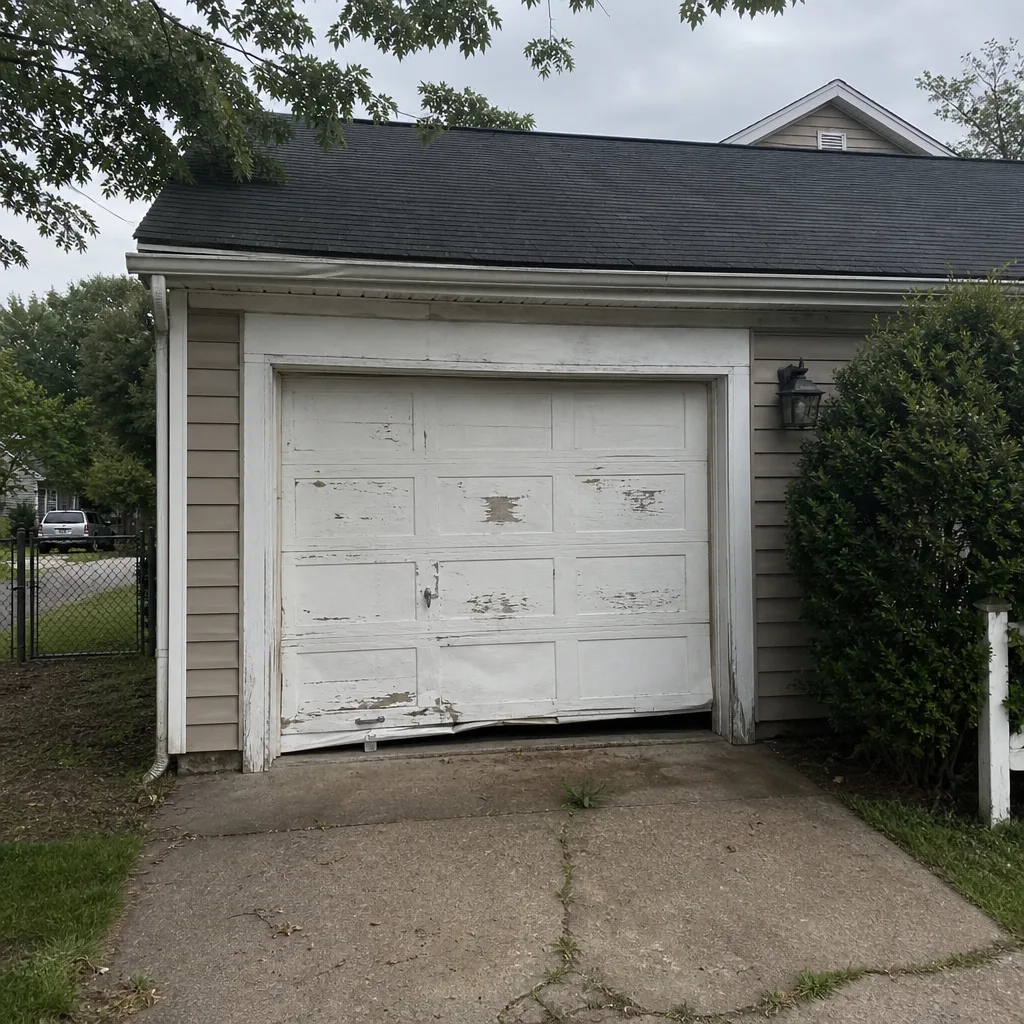 Before
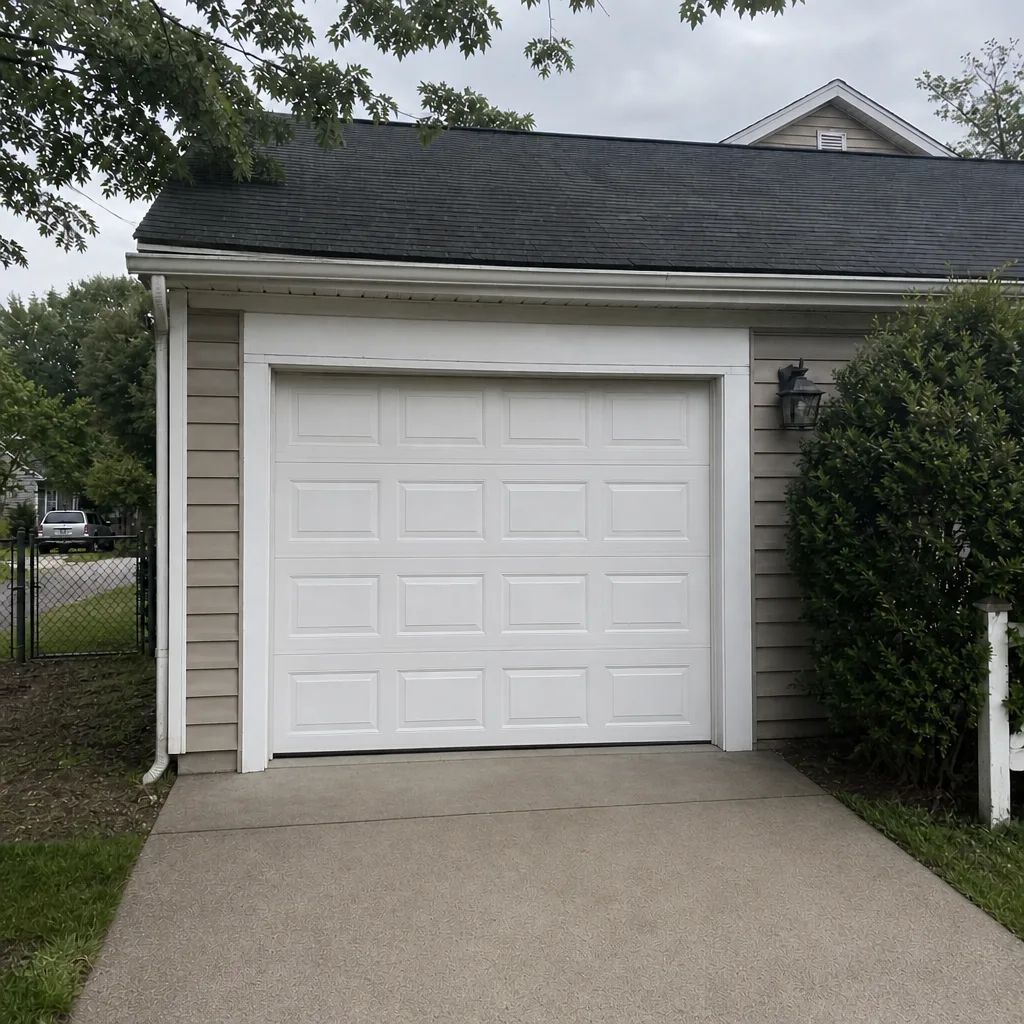 After
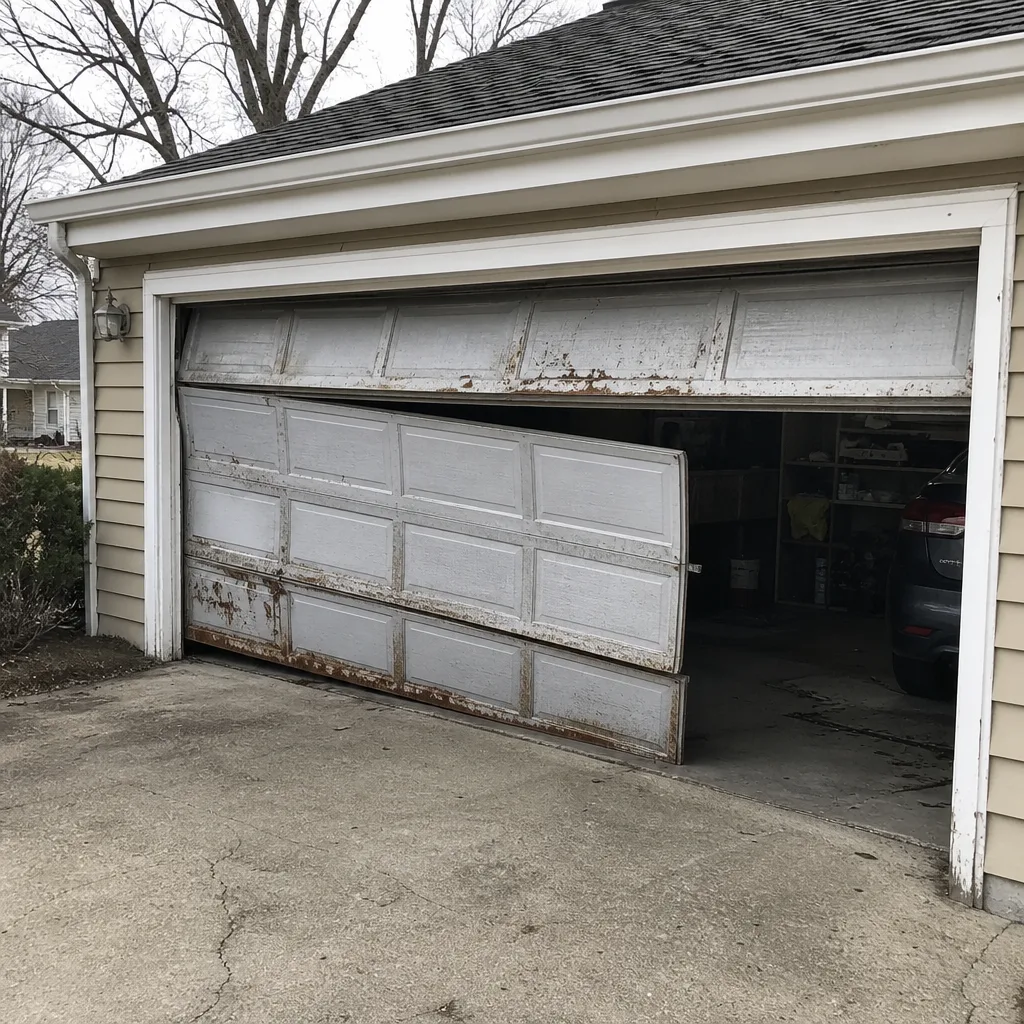 Before
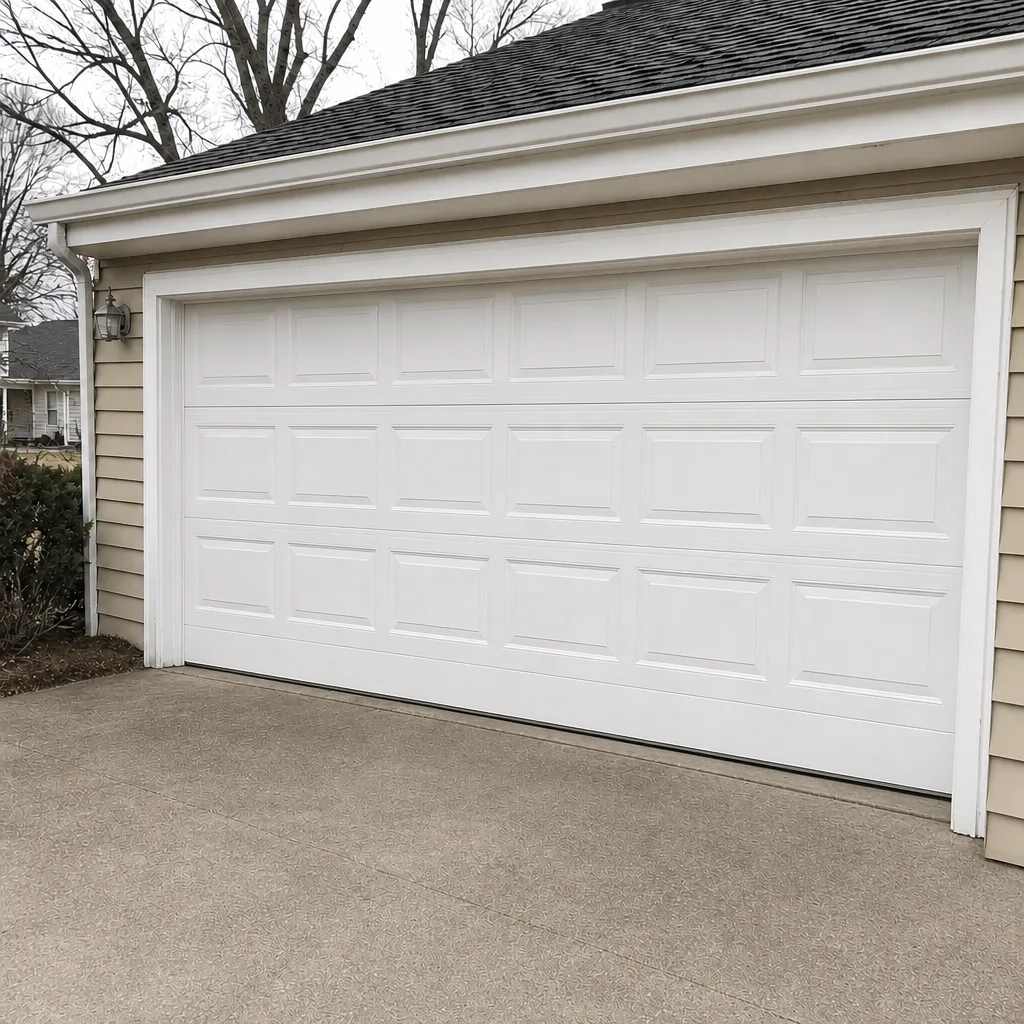 After
When to Call a Professional
Call a professional when the door fails the 2×4 balance test, when you see Stage 2 cable fraying, when a spring shows rust or the door feels heavier than it used to, or when the opener reverses at random. In Brentwood, an annual professional inspection catches what visual checks miss: spring tension, opener force calibration and cable wear at the drum. If the door has dropped off track, snapped a cable or stays stuck halfway, treat it as an emergency. We’re a garage door specialist, so every visit is handled by someone whose entire skill set is built around doors, openers and springs. Brentwood Garage Door Repair Pros offers free estimates in Brentwood: call (833) 348-8658. We answer 24/7. Fast dispatch from 7am to 7pm, Sunday through Friday.
Frequently Asked Questions
A spring-specific lubricant or a light motor oil is the right pick for torsion and extension springs. Avoid silicone spray, which dries tacky and accelerates corrosion on the coil, and avoid WD-40 as a lubricant because it strips existing lubrication. In Brentwood’s humid summers, a slightly heavier motor oil holds up better on the coils. Call (833) 348-8658 for an exact quote on a professional spring check; estimates are free.
Lubricate hinges, rollers and springs every three to six months, plus a second full pass in September before winter. Brentwood’s cold months increase door cycling and put extra stress on parts, so the pre-winter pass matters. A quick visual check between passes catches anything that’s started to wear.
No. Torsion and extension springs are under enough stored force to cause serious injury, and homeowners without the right tools and training should not handle them. A failing spring is a specialist’s job. We repair springs with trained specialists and proper tools; call (833) 348-8658 for a free estimate.
The price is set per job by a written estimate, and the estimate is free. A routine maintenance visit, an opener diagnostic and a spring repair all carry different costs depending on what’s found. The written estimate sets the final price before any work starts, so you know the number in advance. Call (833) 348-8658 to schedule a free estimate.
No. The written estimate sets the price, quoted and agreed before any work starts. If a professional inspection uncovers a bigger problem, we explain what we found and give you a revised estimate before touching the door. You decide before we proceed.
A door that fails the 2×4 force and balance test but still opens is the clearest warning sign, usually 6 to 12 months before the motor fails. Other signs include random reversal, slow response and new grinding sounds. If your opener shows any of these in Brentwood, call (833) 348-8658 for a diagnostic; estimates are free.
The Bottom Line
The right maintenance schedule isn’t twice a year. It’s a month-by-month plan matched to what your door actually does: quarterly lubrication with the correct product, monthly force and balance tests with the 2×4, cable checks at each stage of wear, and one professional inspection a year. Lubricant compatibility matters more than frequency, and silicone on a spring does real damage. In Brentwood, the seasonal swing between humid summers and freezing winters means seals, cables and springs wear faster than a generic guide assumes. Follow this schedule and you predict failures before they strand a car or compromise your home. If anything in this guide is past your comfort level, that’s what we’re here for.
Call (833) 348-8658 for a free estimate. We’re a garage door specialist, not a generalist, and spring repair is done safely, done right.
Written by the team at Brentwood Garage Door Repair Pros.