
Last updated November 22, 2026
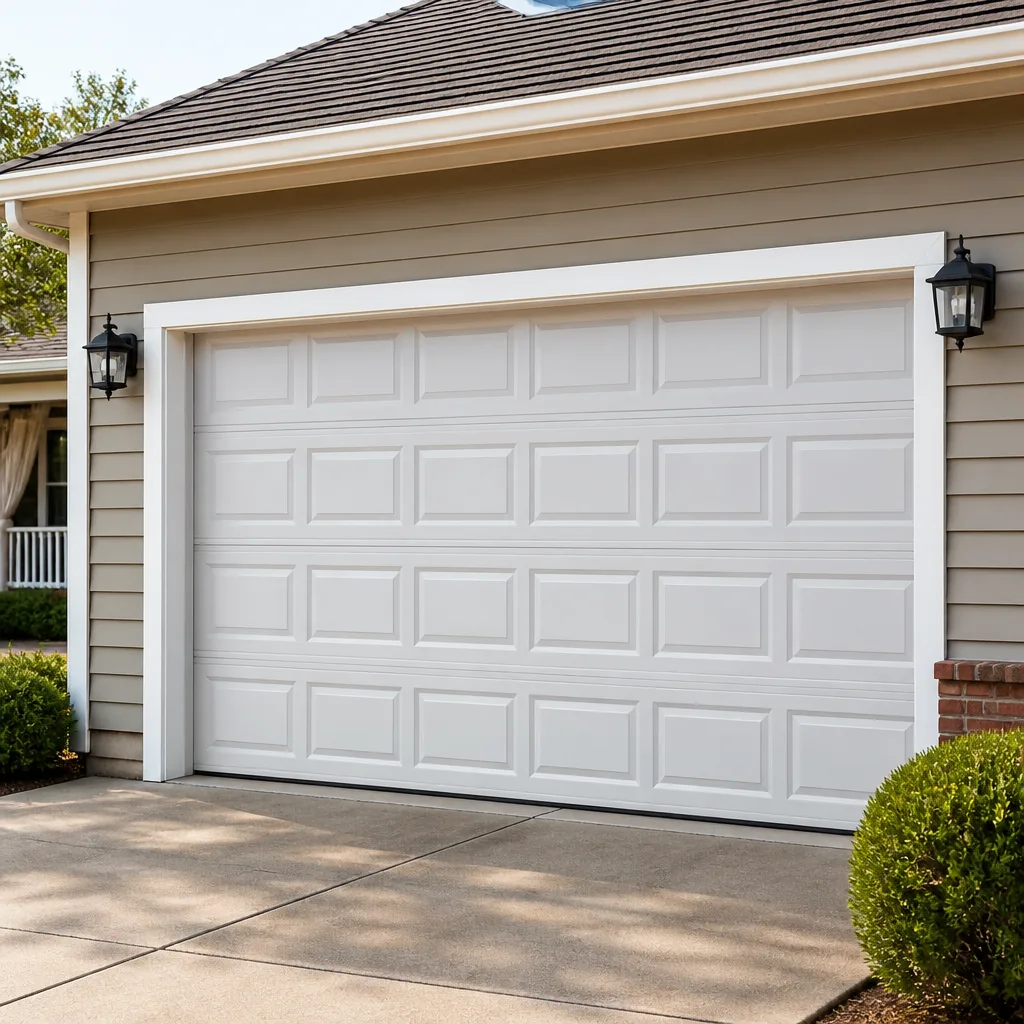 Raised-panel steel
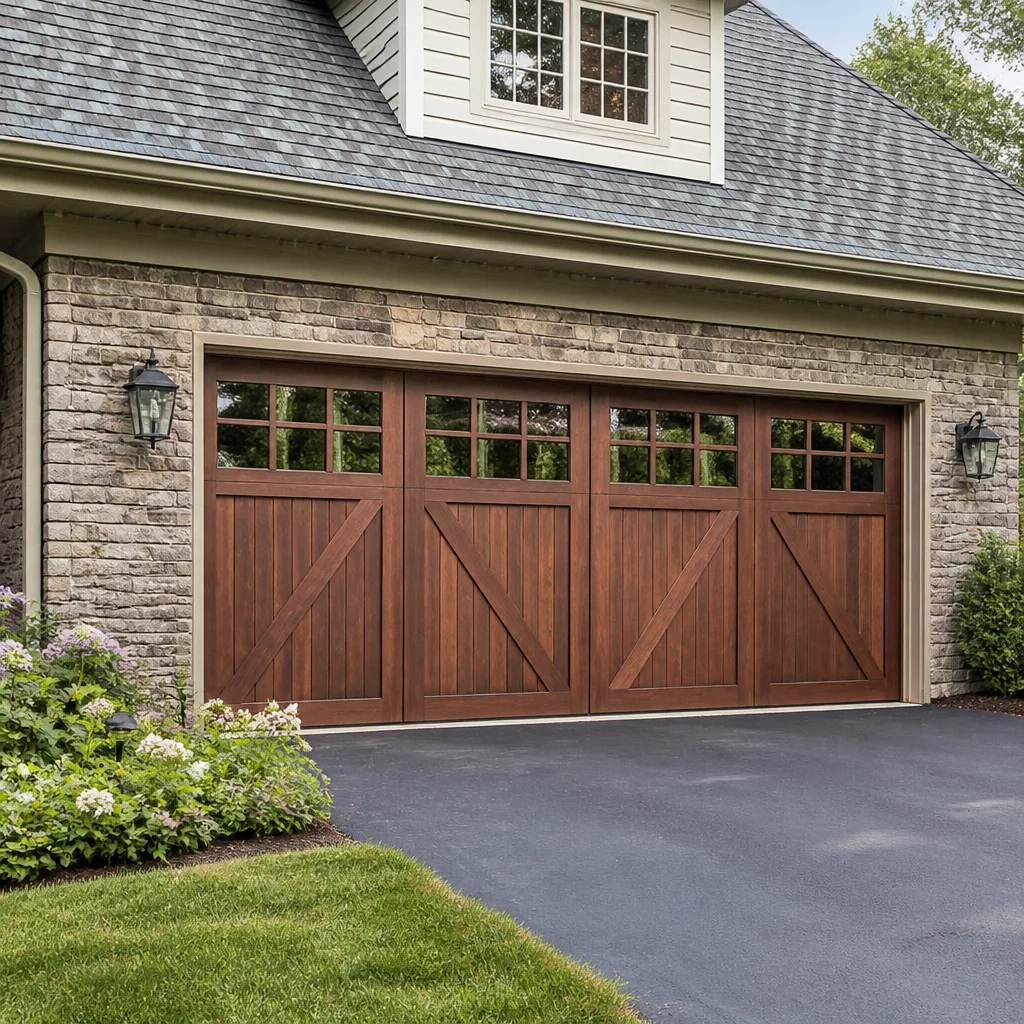 Carriage house
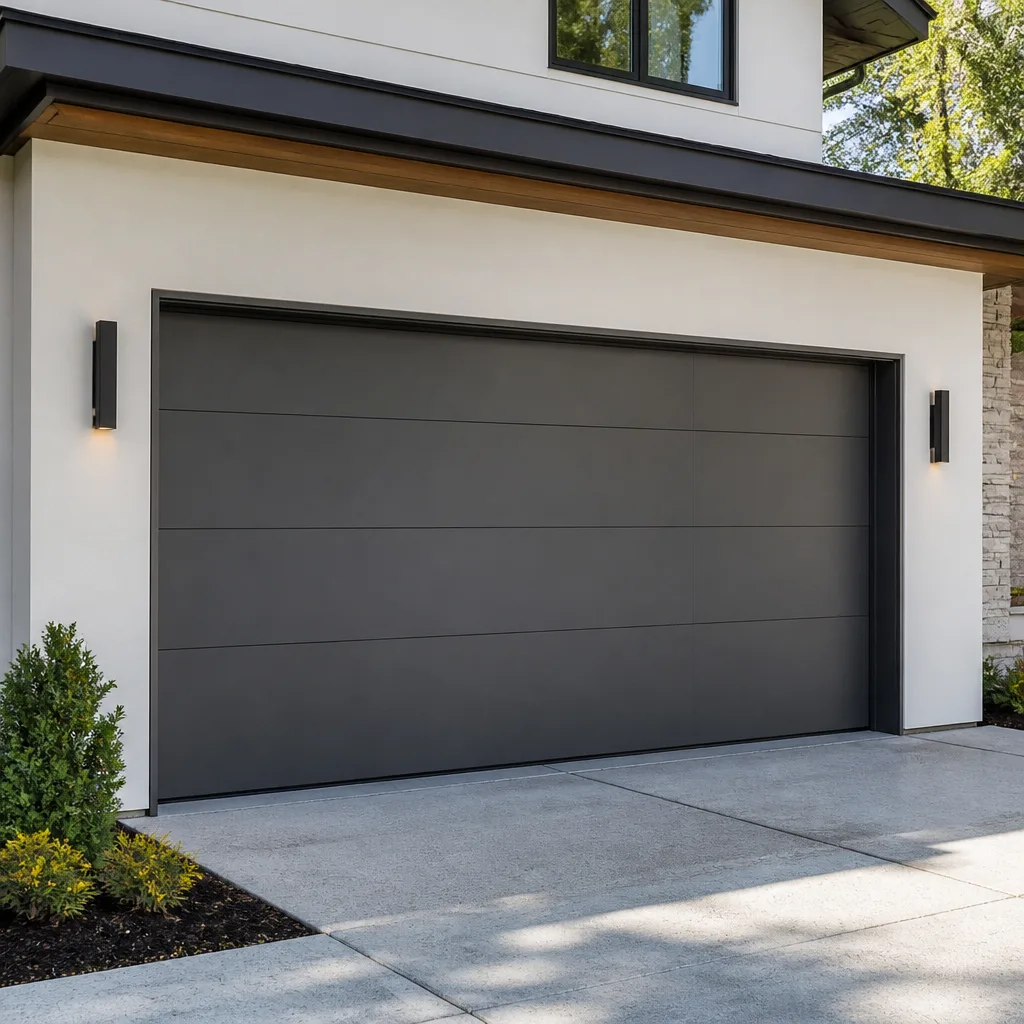 Modern flush
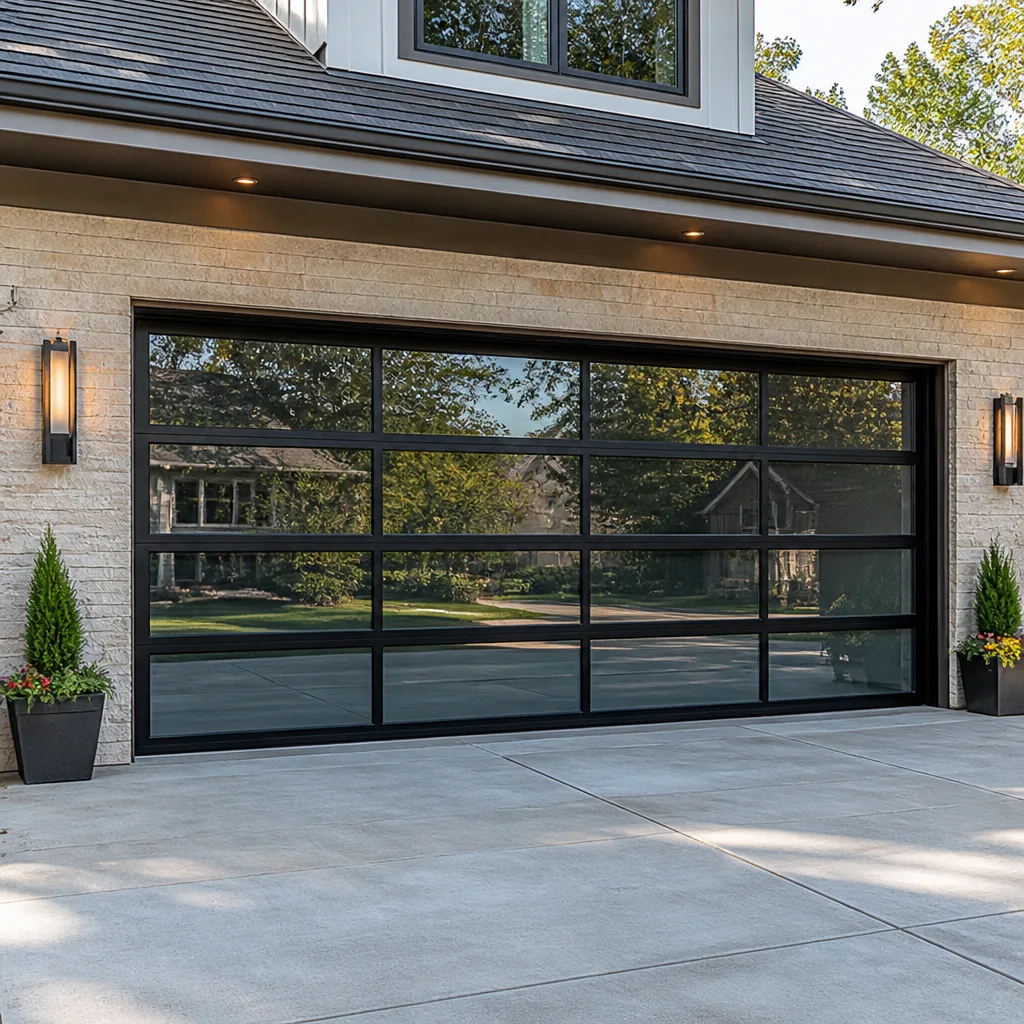 Full-view glass
 LiftMaster openers
 Chamberlain openers
Full 25-point door and opener safety check with every visit - springs, cables, rollers, tracks, and your LiftMaster or Chamberlain opener included
You get a price before we start. It does not change when the pro arrives.
Get your free estimateDIY vs Professional Garage Door: The Brentwood Homeowner’s Decision Guide
Most homeowners who get hurt working on a garage door are not clumsy, careless, or short on mechanical confidence. They’re capable people who misjudged how much energy is stored in a wound torsion spring. That stored tension is the whole story behind this decision, and it’s why the DIY-or-pro question doesn’t split neatly down the middle of the toolbox. Some garage door work belongs in your hands. Some of it carries injury risk that has nothing to do with skill. This guide draws that line task by task, so you know what you can safely handle in your own Brentwood garage and where the math turns against a solo job.
Quick Answer
Safe DIY garage door work is limited to cleaning, lubrication, sensor alignment, track wiping, remote programming, and visual inspections. Anything involving springs, cables, bottom brackets, or the actual lifting mechanism belongs to a trained specialist, because the stored energy in those parts can injure you before you understand what went wrong. Opener diagnostics, off-track doors, and full replacement fall in the professional column too. At Brentwood Garage Door Repair Pros, we’re glad to tell you over the phone which side of that line your specific problem sits on.
Styles & brands we work with
- Raised-panel steel
- Carriage house
- Modern flush
- Full-view glass
- LiftMaster openers
- Chamberlain openers
Table of Contents
- Why springs change the entire DIY conversation
- The three-tier classification: DIY-safe, proceed with caution, do not attempt
- What YouTube tutorials leave out about spring systems
- The real cost comparison: parts and time versus professional service
- How a botched DIY repair affects warranties and insurance
- The maintenance tasks where DIY is genuinely the right call
- What Brentwood weather does to garage door hardware
- Common mistakes to avoid
Why Springs Change the Entire DIY Conversation
A garage door is one of the heaviest moving assemblies in a house, and the springs are what make it feel light. A torsion spring is wound to store tension, and that tension counterbalances the door’s weight so a 150-pound panel glides up with one hand. When the spring is wound, it holds force that’s released the moment a winding bar slips or a cable lets go. When it snaps in normal service, the release is sudden and violent. When a homeowner is standing under it with hand tools, the outcome can be serious.
This is where the DIY question stops being about confidence. You can be entirely confident and still be working with a system that won’t warn you before it fails.
What makes torsion springs different from every other part
- Stored energy. The spring is wound to carry the door’s weight. Any tool that contacts a wound spring is interacting with live force, not a static part.
- Winding requires specialty bars. The bars that hold the spring in place during adjustment are specific tools, not a screwdriver or a pry bar. Substituting the wrong tool is one of the most common ways a spring job goes badly.
- Cables are under load too. The cables that lift the door run under tension most of the time. A cable that lets go can whip, and it doesn’t care whether you’re wearing gloves.
- Bottom brackets and hinges store force during operation. Even the parts that look passive are part of a loaded system.
This is the reasoning behind our garage door spring repair work: spring jobs get treated as a specialty, not a quick swap. Whether the door is a Wayne Dalton or a Raynor model, the physics is the same.
What a spring failure actually looks like
A broken torsion spring usually announces itself with a loud crack from the garage. The door stops opening because it just got very heavy, and lifting it by hand without the spring counterbalance is a strain risk in itself. That’s the point most homeowners discover the spring system exists at all, and it’s a bad moment to start learning about it. The safest next move is to leave the door closed, keep vehicles and people out of the path, and call a specialist. If the spring has failed in Brentwood and the door is your only way in and out, we run garage door repair same-day when the schedule allows.
The Three-Tier Classification: DIY-Safe, Proceed With Caution, Do Not Attempt
The most useful way to sort garage door work is by what’s inside the task, not by how hard it looks. Lubrication and sensor alignment involve nothing that’s holding force. Panel hinge replacement involves minor disassembly but no springs. Spring and cable work involves the entire counterbalance system, and that’s the line.
Tier 1: Safe for DIY
- Lubrication. Hinges, rollers, the torsion tube, and the opener’s chain or belt get a light application of a garage door-specific lubricant (white lithium or silicone spray works; grease attracts grit).
- Sensor alignment. If the door reverses or refuses to close, the safety sensors near the floor are the most common culprit. Straighten them, clean the lenses, and confirm both indicator lights are steady.
- Visual inspections. Walk the door’s travel path and check for frayed cables, worn rollers, sagging panels, or a door that’s out of square.
- Remote and keypad programming. Syncing a remote to a LiftMaster, Chamberlain, Genie, or Craftsman opener is standard homeowner work.
- Track wiping and debris clearing. A rag and a light solvent on the track goes a long way, as long as you don’t bend or loosen the brackets while you’re at it.
- Weather seal replacement on the bottom edge. The rubber or vinyl bottom seal wears out and is genuinely a homeowner-friendly swap.
Tier 2: Proceed with caution
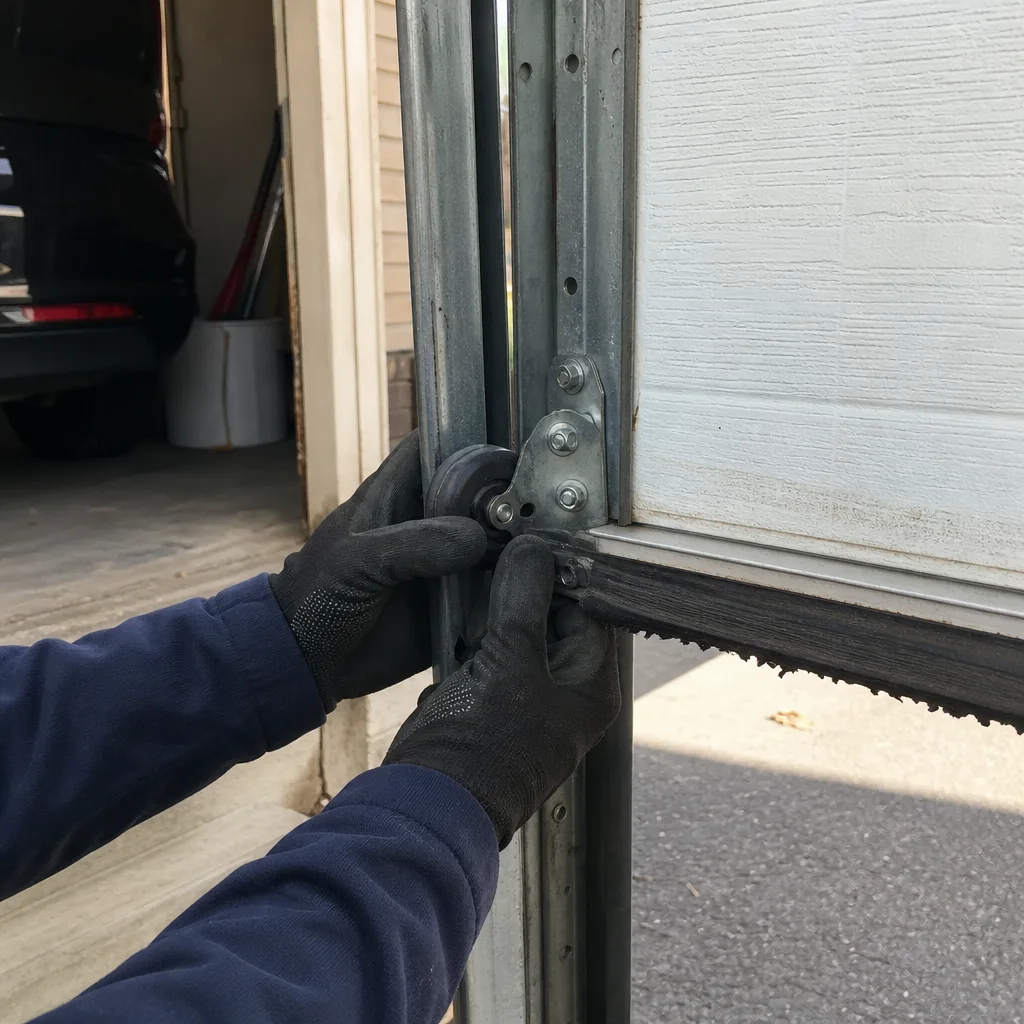
- Replacing a roller or hinge. Doable for a confident homeowner, but only with the door fully closed, the opener disconnected, and the spring system left alone. If a roller is seized inside a hinge, force bends the hinge.
- Straightening a slightly out-of-line track. Small adjustments are fine. Prying a track back toward the panel usually isn’t; the bracket that holds the track is anchored to structure, and over-tightening warps the door’s travel.
- Tightening loose bolts on the door frame. Fine, but only until you find that the bolt was loose because the bracket has started working out of structural wood.
Tier 3: Do not attempt
- Torsion spring replacement. The spring itself is the dangerous part. This is a professional job, full stop.
- Extension spring replacement. Same reasoning. Different geometry, same stored energy.
- Cable replacement. Cables are under load and must be tensioned and secured correctly. A bad cable job can drop the door.
- Bottom bracket replacement. These carry cable tension. They look simple and are not.
- Replacing the opener itself. Electrical work plus mounting plus calibration. Unless you’re already comfortable with branch circuits, hire this out.
- Straightening a badly bowed or bent panel. The structural integrity of the door is gone; panel replacement is the real fix.
If you’re unsure which tier your job falls into, that’s a good time to call. We’ll give you a straight answer without a sales pitch attached.
What YouTube Tutorials Leave Out About Spring Systems
Tutorials show the screwdriver tricks, the improvised winding bars, and the moment the spring is removed. They almost never show the part where the bar slips. A video can’t show you the force of a released spring; you only see the aftermath. The format itself creates the impression that spring work is a mechanical puzzle rather than a physically loaded operation.
The specific omissions
- The wound-up state isn’t visible. When a torsion spring is fully wound, it looks almost identical to one that isn’t. The viewer has no visual cue for “don’t touch this.”
- Improvised tools look fine on camera. A pair of screwdrivers or an Allen wrench can appear to work for a few seconds. That’s not proof it holds.
- Door weight is described as “heavy,” not as forces. A door that’s counterbalanced correctly feels light. A door that isn’t feels like a loaded beam. Videos don’t communicate that difference.
- Pre-load and winding counts. Correct spring tension depends on the door’s height, weight, and the spring’s rating. Erring on either side creates problems that don’t show up immediately but do show up.
- After a fall, cables are under unexpected load. A tutorial never shows the moment a door drops unevenly because the springs weren’t matched correctly. Our specialists see the result of that all the time when they’re called out to a door that “worked for a while and then didn’t.”
Why the trained route is different
Spring work is done with specialty winding bars, a spring-rated measuring method, and a controlled release. It’s paced, not improvised. The specialist knows what the door weighs in the current state, matches the spring to the assembly, and confirms the balance before handing the door back. Our technicians have up to 9 years of experience with torsion and extension systems from Amarr, Clopay, Wayne Dalton, Raynor, and the other brands we service, and that experience is the thing you’re paying for when a spring job gets done right the first time.
The Real Cost Comparison: Parts and Time Versus Professional Service
DIY looks cheaper on the receipt for parts and often isn’t cheaper once the hours, tools, and failed attempts are counted. The real comparison is between the price of a correct professional job and the price of a homeowner job that has to be corrected. Professional spring work is typically priced in a range that reflects the tools, expertise, and time involved. The written estimate sets the final price, and you’ll have it in hand before any work starts.
Where the hidden costs come from
- Diagnostic error. A homeowner replaces a roller when the real problem is a bent track or a failing opener. That’s a second trip and a second set of parts.
- Specialty tools. Winding bars, spring scales, and safety gear add up quickly, and most homeowners buy them once.
- Tool rental and time. A weekend spent on a job a specialist finishes in a couple of hours is real money in a household that’s already stretched.
- Corrective service. A door that’s been “fixed” and is now out of balance needs a real adjustment plus whatever damage the first attempt caused.
- Damage to the door or opener. A bad spring installation can stress the opener’s motor or distort the door’s panels. Those repairs are bigger than the spring job.
- Warranty fallout. Parts installed incorrectly are usually excluded from manufacturer coverage, and the door manufacturer’s warranty won’t honor a claim on a door that was worked on outside the manufacturer’s service instructions.
Parts-plus-time, worked through honestly
You can buy a replacement torsion spring, a winding bar set, and a spring scale for a real amount of money, and then spend one or two of your days off trying to get the winding count right. If the door ends up out of balance, or the cables slip, you’re back at the start with a door that’s less safe than before. The professional route is a quoted number, a scheduled visit, and a door that’s balanced, tested, and back to normal. We run a free estimate in Brentwood so the comparison is at least apples to apples.
If the issue is an opener rather than the spring, the same logic applies, and our garage door opener repair covers the diagnostic side that most homeowners can’t do without a meter and the opener’s manual. A LiftMaster with a logic board fault and a Chamberlain with a stripped gear look identical to a homeowner standing on a step stool.
How a Botched DIY Repair Affects Warranties and Insurance
Manufacturer warranties on garage door systems typically cover defects in materials and workmanship, not damage from improper installation or adjustment. When a homeowner replaces a spring and the door or opener fails later, the manufacturer can reasonably say the failure traces to the homeowner’s work, and the claim gets denied. That’s an expensive surprises on a door that was supposed to be covered.
What the manufacturer warranty usually covers
- Defects in the original parts, not damage caused after the fact.
- Installation following the manufacturer’s published service instructions.
- Doors and openers serviced by people who know the specific model’s requirements.
Where insurance coverage gets complicated
Homeowner’s insurance generally responds to sudden damage from an external event, like a vehicle impact, a storm-damaged tree limb, or a fire. It typically does not cover gradual damage, worn-out parts, or damage caused by the homeowner’s own repair work. The practical effect for a Brentwood homeowner is that an accident caused by a DIY spring job usually ends up as out-of-pocket, and the same goes for damage from a door that failed after a homeowner repair. If you’re filing a claim for storm damage to the door, our team can provide a written assessment of the damage for your insurer. We can work with your insurer, but we can’t promise a claim outcome, and no one honestly can. What we can do is document what failed and why.
The am I covered question
If you’re not sure whether your specific failure would be covered, the answer usually depends on whether the damage was external and sudden or whether the part simply wore out. Ask your insurer, and ask the door’s manufacturer if the system is still in warranty. We’re happy to look at the door and tell you what failed, which is often what the claim needs to proceed.
The Maintenance Tasks Where DIY Is Genuinely the Right Call
DIY maintenance is good for the door and good for your budget. It’s also the work most homeowners skip. Here’s the routine that actually keeps a Brentwood door running, plus a sense of what a pro should handle each time.
Your annual homeowner routine
- Lubricate the moving parts. Hinges, rollers, torsion tube, and the opener’s chain or belt. A light, garage door-specific lubricant. Avoid grease on the tracks.
- Test the safety sensors. Place an object in front of the sensors and confirm the door reverses. If it doesn’t, clean the lenses and align the brackets.
- Test the balance. Disconnect the opener, lift the door by hand to halfway, and let it go. A balanced door stays put. A door that drifts down is out of balance and needs professional attention.
- Inspect the springs, cables, and rollers. Look for gaps in a spring, frayed cables, or a roller with flat spots. This is inspection, not repair.
- Tighten loose door hardware. Hinges, brackets, and track bolts. Don’t over-tighten; snug is enough.
- Clean the tracks. A damp rag along the track’s channel, with no lubricant added afterward unless the manufacturer specifies it.
- Confirm the opener’s auto-reverse. The door should reverse on contact with an object underneath.
- Sync remotes and keypads. Any brand, any model, and a small job you can absolutely do yourself.
What a technician adds
Once a year, having a specialist check spring tension, cable wear, and door balance catches the parts of the system that don’t announce their wear. Our trained technicians can confirm the balance and check the springs without touching the parts a homeowner can’t safely inspect. A quick annual once-over is a lot cheaper than a same-day emergency, and it keeps the door from failing at a bad moment. When the opener has a fault that won’t clear, the opener repair side of our work covers the diagnostic side that most homeowners can’t do without a meter and the opener’s manual. A LiftMaster with a logic board fault and a Chamberlain with a stripped gear look identical to a homeowner standing on a step stool.
What Brentwood Weather Does to Garage Door Hardware
Brentwood sits on Long Island, and the Islip and Babylon area’s freeze-thaw cycles are hard on garage door hardware. Sandy soils and salt air settle into hinges and rollers over a season, and the corrosion shows up as sticking or squeaking rather than a clean failure. The doors on the north side of a house get less sun and stay damp longer, which speeds up rust on the track and the door’s steel skins. The result is a door that works fine in July and sticks in January.
How that changes the DIY-vs-pro math
- Lubrication matters more here than in dry climates. The 1-year interval is the minimum. If your door faces the prevailing wind off the Great South Bay, expect to lubricate more often.
- Rollers and hinges are the first to seize. Seized rollers put extra load on the opener and the springs. Catching one early is easy. Catching it after it seizes is a repair.
- Winter balance issues are not always “the weather.” A door that feels heavy in January usually has a spring problem, not a temperature one.
- Bottom seal wear is faster. Wet pavement and snowmelt at the door’s base wear the seal faster, and a bad seal lets in water, which feeds rust at the floor line.
None of this makes DIY more dangerous. It just means the maintenance tasks in the last section aren’t optional for a Brentwood homeowner, and the signs of wear are worth checking on a schedule, not a hunch.
Common Mistakes to Avoid
- Using screwdrivers as winding bars. The bars that hold a wound spring need to be the right diameter and length. A screwdriver slips under load, and the slip is the injury.
- Buying a spring without matching the door’s weight and height. Springs are rated. A mismatch means the door is out of balance, and an out-of-balance door loads the opener and the cables until something fails.
- Lubricating the tracks. The track is a guide, not a bearing. Lubrication attracts grit, and grit eats the rollers.
- Over-tightening the track brackets. A track needs to line up with the door’s travel. Over-tightening pulls it out of line and the door starts binding.
- Ignoring a door that reverses for no reason. It’s usually the sensors, but a door that reverses, and the sensors check out, can have a travel limit issue that needs a technician.
- Calling a handyman for spring work. Most handymen aren’t set up for springs and will tell you so. A garage door specialist is a different skill set, and in Brentwood, it’s the right call.
- Attempting an opener swap without confirming the electrical circuit and the door’s weight rating. The opener’s horsepower has to match what the door needs. An underequipped opener on a heavy door fails early.
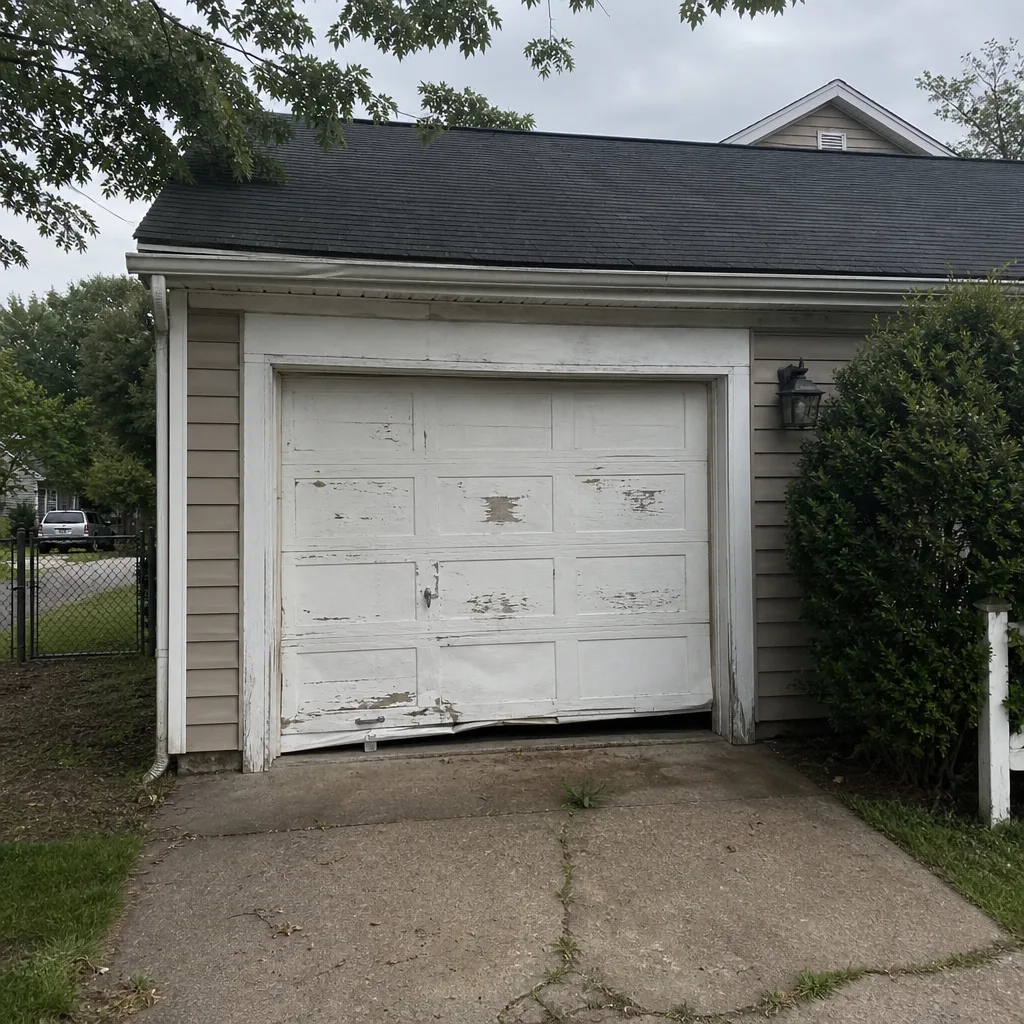
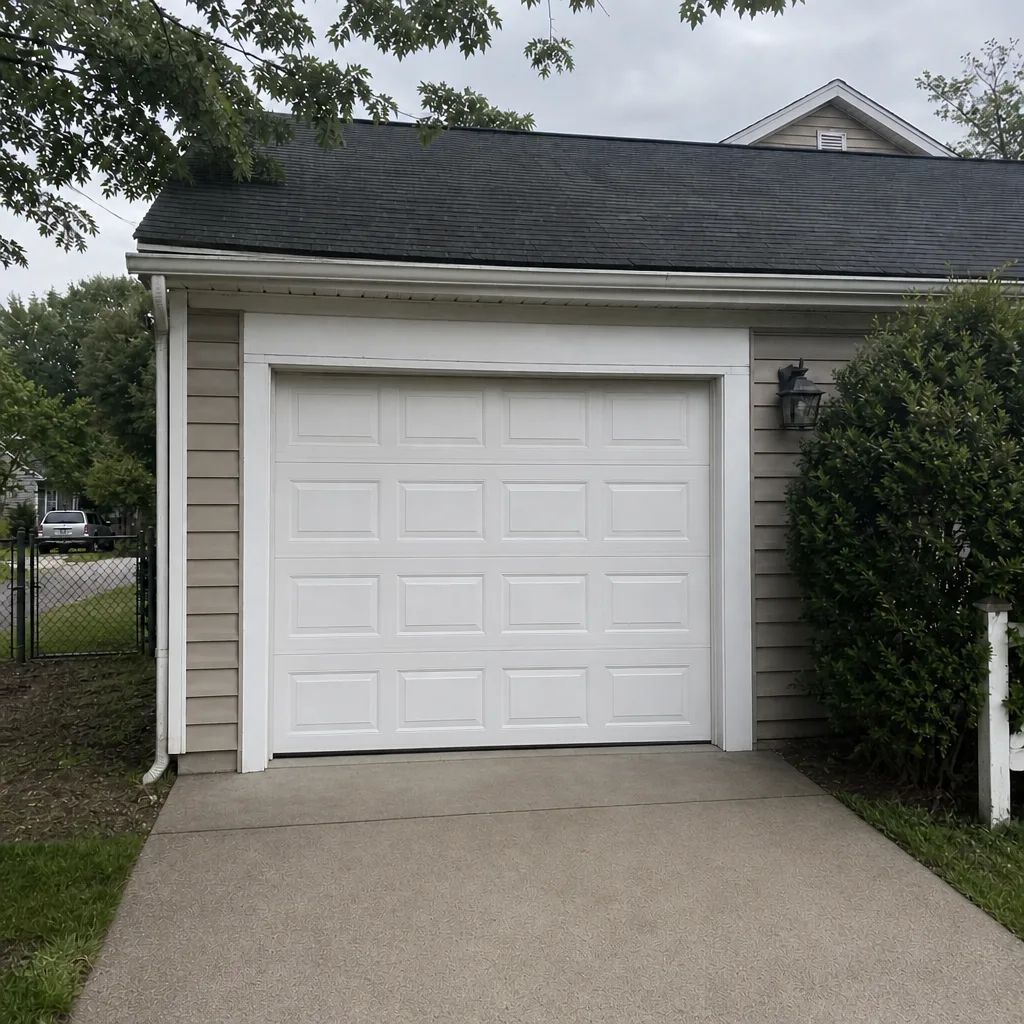
See the difference
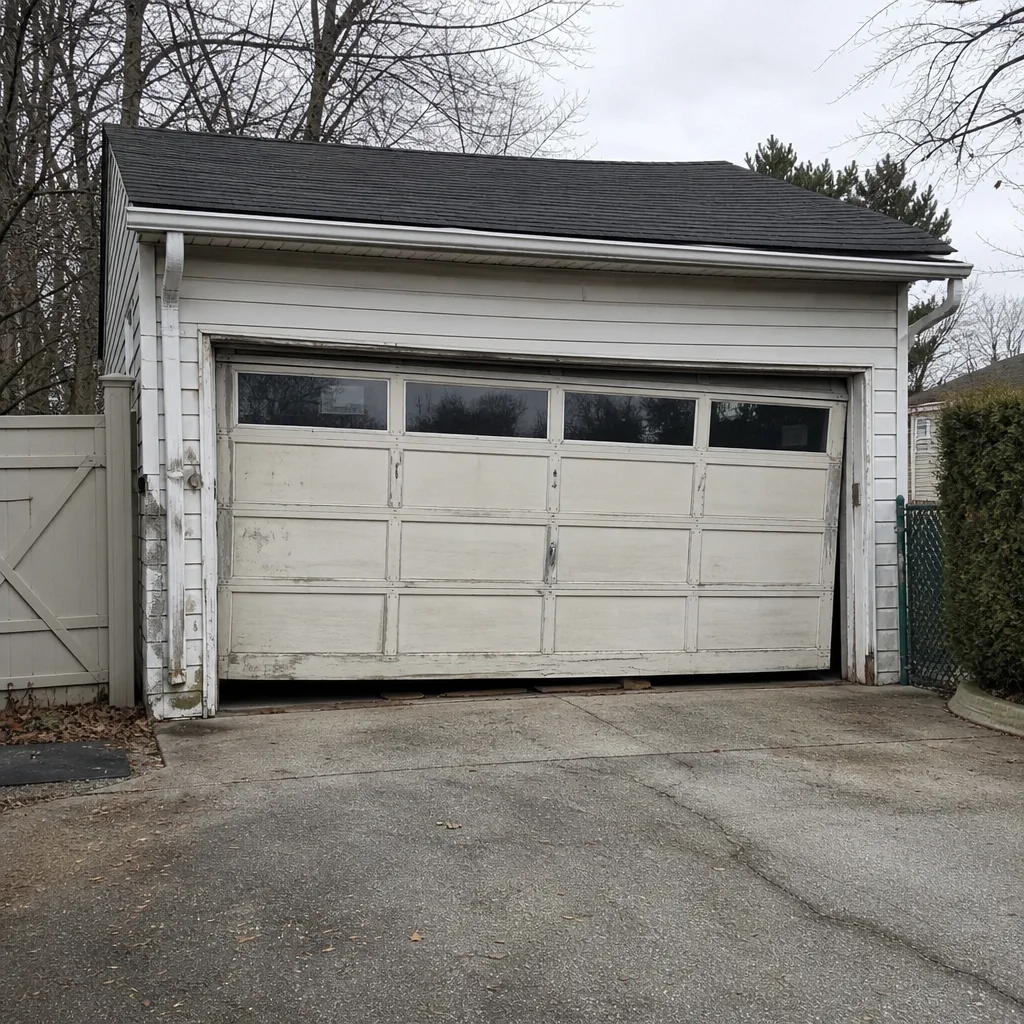 Before
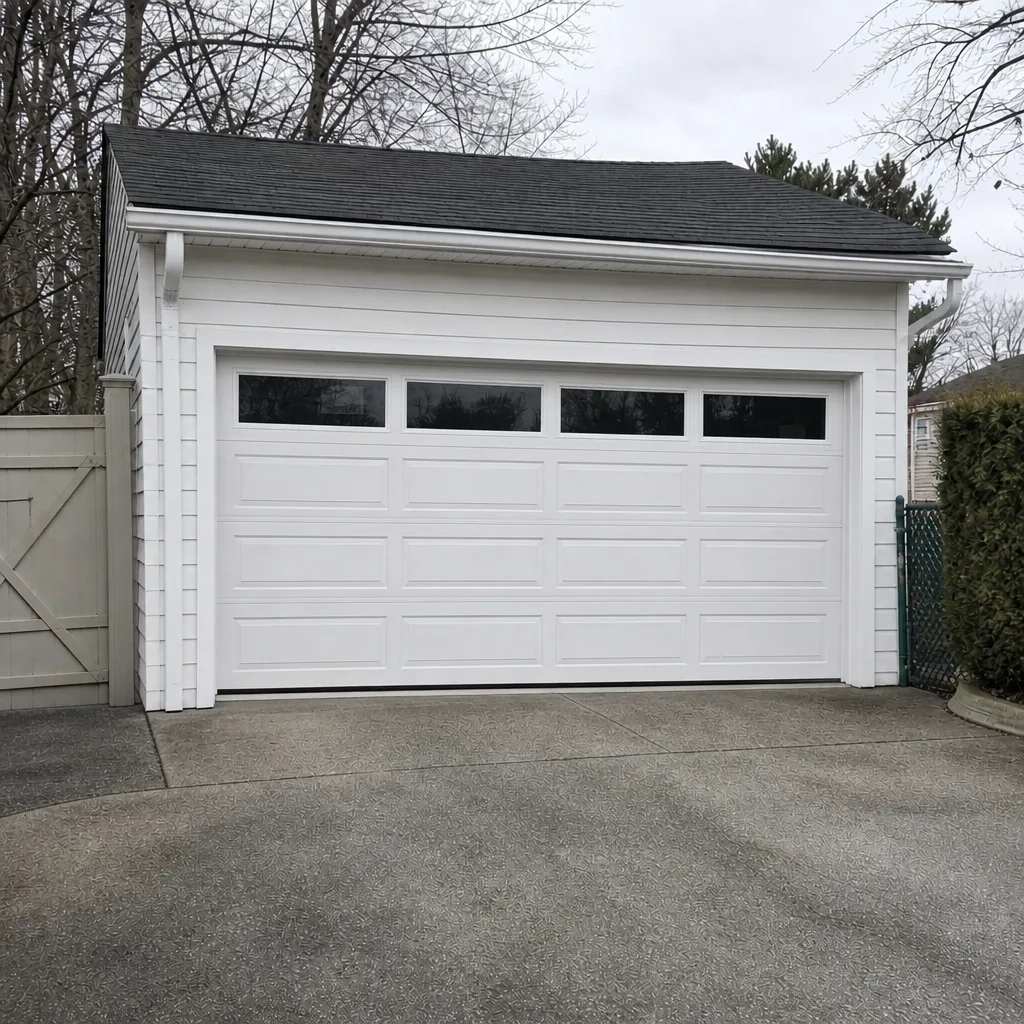 After
 Before
 After
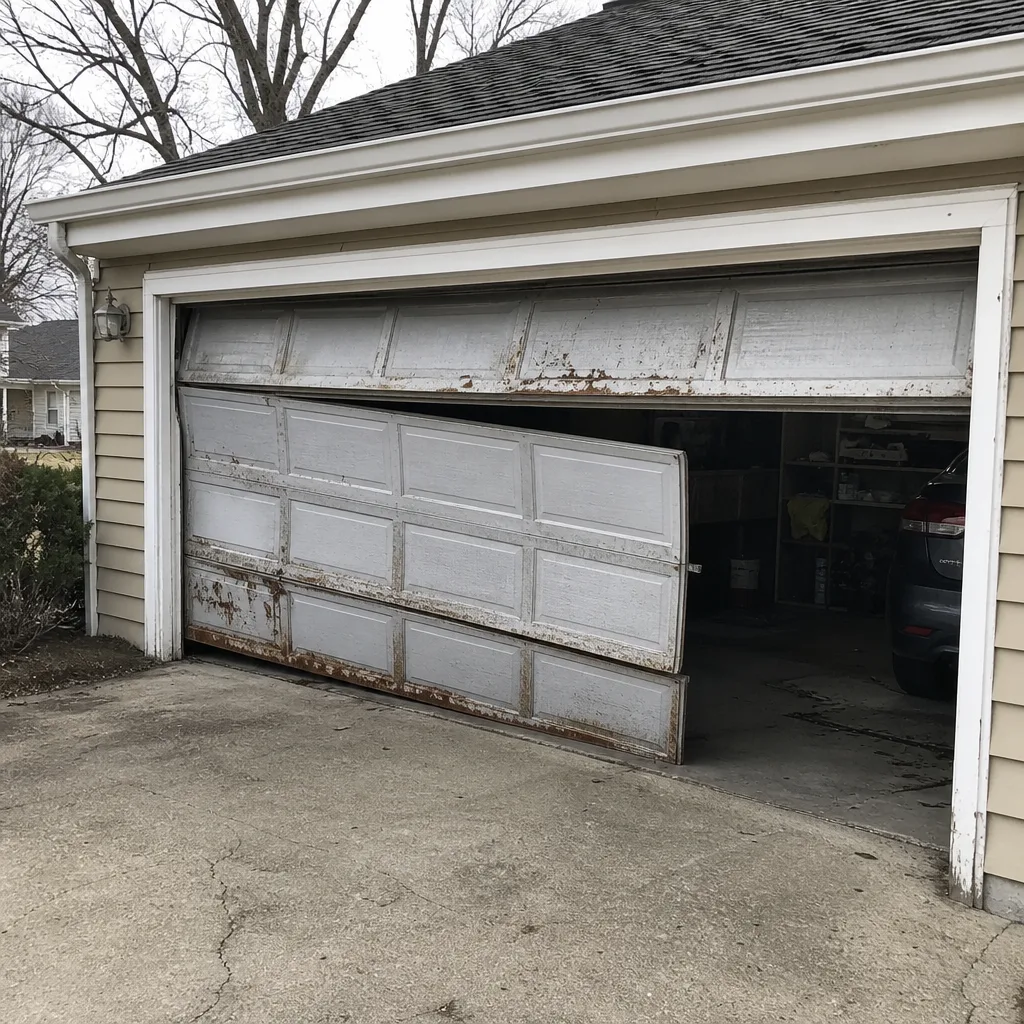 Before
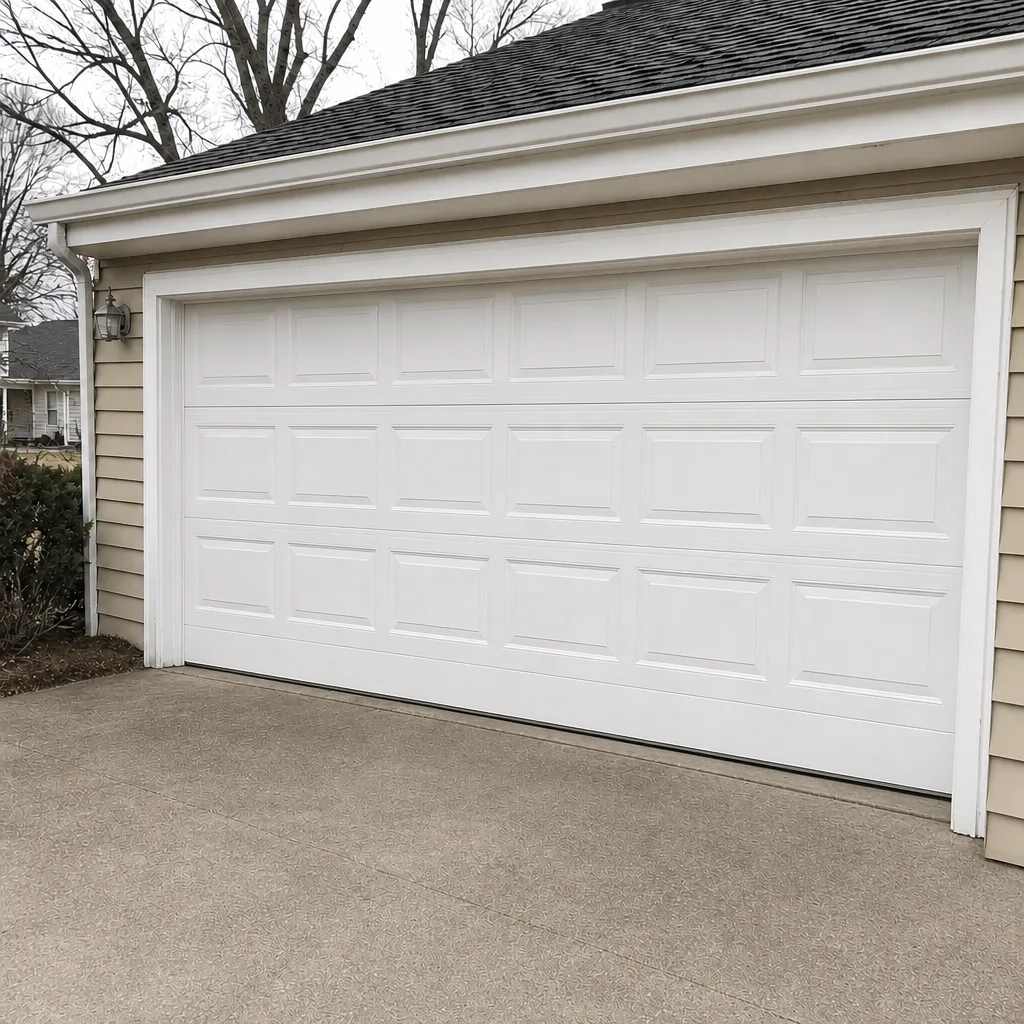 After
When to Call a Professional
Call a specialist for anything involving springs, cables, bottom brackets, and the actual load-bearing parts of the door. Call for a door that’s off its track, one that slams down, one that reverses for no clear reason, or an opener that’s throwing error codes you can’t find in the manual. Call for a door that’s out of balance, for anything involving the door’s electrical or opener wiring, and for a full replacement. If you’re in Brentwood and unsure whether the job is on your side of the line, that’s a call, too. Brentwood Garage Door Repair Pros offers free estimates in Brentwood. Call (833) 348-8658. We answer 24/7. Fast dispatch from 7am to 7pm, Sunday through Friday.
Frequently Asked Questions
No. Torsion and extension spring replacement involves stored energy that can cause serious injury, and the work requires specialty winding bars, a matched spring rating, and a controlled release that a homeowner can’t safely improvise. Spring replacement belongs to a trained specialist. Call (833) 348-8658 for a free estimate.
Typical professional spring repair in the Brentwood area falls in the range of about $200 to $400 per spring, though exact pricing depends on the spring type, the door’s size, and whether a matched pair is being replaced. A matched pair costs roughly twice a single spring. The written estimate sets the final price, and the price is agreed before any work starts. Call (833) 348-8658 for a free estimate.
No, not after the written estimate is agreed. The estimate is based on the inspection, and the agreed price is the price. If we discover something that materially changes the job, we’ll tell you before any additional work starts, and you can decide then. Call (833) 348-8658 to schedule a free estimate.
It can, yes. Most manufacturer warranties on doors and openers cover defects in the parts, not damage from improper installation or adjustment. If a homeowner’s work causes a later failure, the manufacturer can deny the claim. Keep the manufacturer’s documentation and the service records together. We’re happy to assess the door and tell you what failed.
The local professionals we connect you with are licensed and insured as their state requires. Our technicians have up to 9 years of experience, and we service LiftMaster, Chamberlain, Genie, Clopay, Amarr, Wayne Dalton, Craftsman, and Raynor equipment. Call (833) 348-8658 for a free estimate.
Often, yes. Spring repair is one of our core services, and same-day repair is available when the schedule allows. The written estimate comes first, and the price is agreed before any work starts. Call (833) 348-8658. We answer 24/7. Fast dispatch from 7am to 7pm, Sunday through Friday.
The Bottom Line
The DIY-versus-professional question for a garage door is really a question about which parts of the system store energy and which don’t. Lubrication, sensor alignment, remote programming, track cleaning, and visual inspections are safe homeowner work. Springs, cables, bottom brackets, and the lifting mechanism are not. Those parts carry force that doesn’t announce itself, and the injury risk has nothing to do with confidence. Beyond the safety side, a botched DIY job tends to cost more than the professional job would have, and it can put a manufacturer warranty at risk. If your door is out of balance, spring-broken, or off its track, get a specialist involved. At Brentwood Garage Door Repair Pros, we handle garage door repair in Brentwood and garage door spring repair as specialty work, not as an afterthought. Call (833) 348-8658 for a free estimate. We answer 24/7. Fast dispatch from 7am to 7pm, Sunday through Friday.
Written by the team at Brentwood Garage Door Repair Pros.