
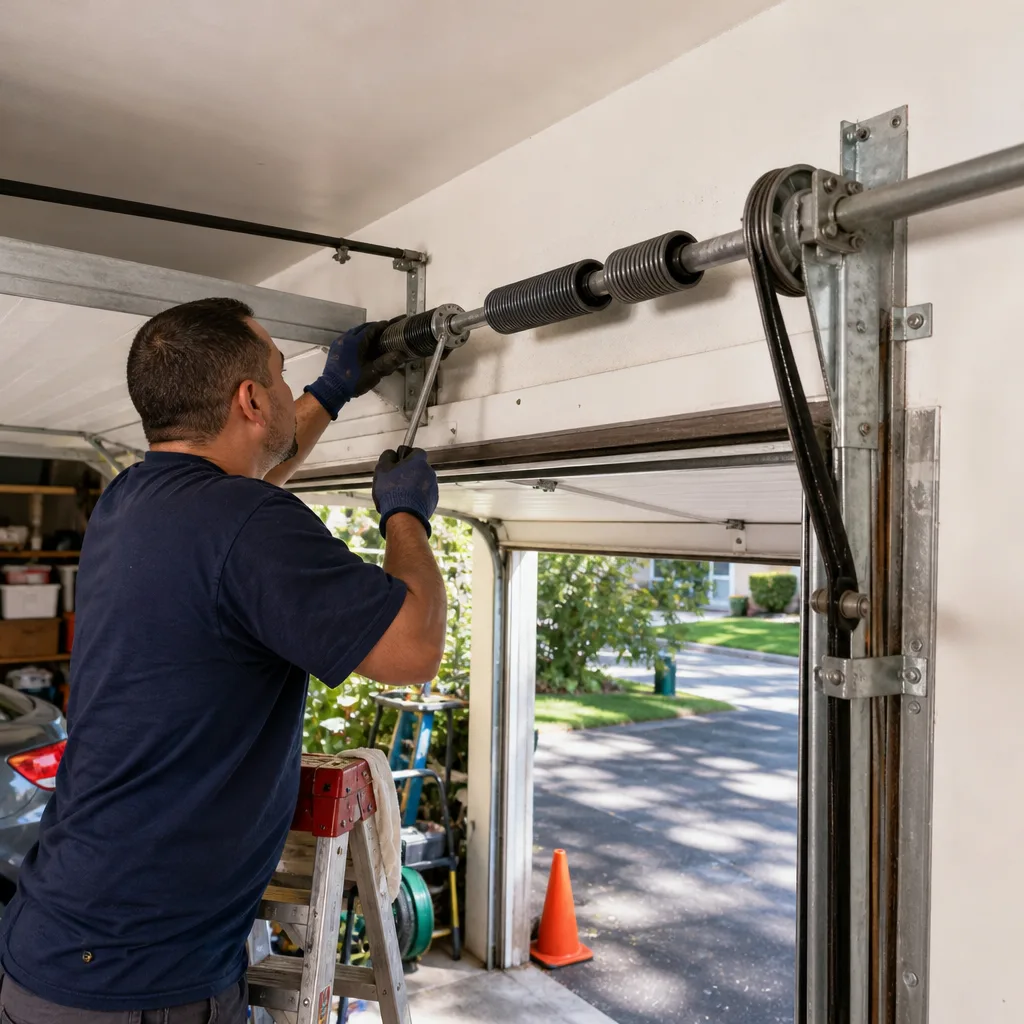
Last updated November 22, 2026
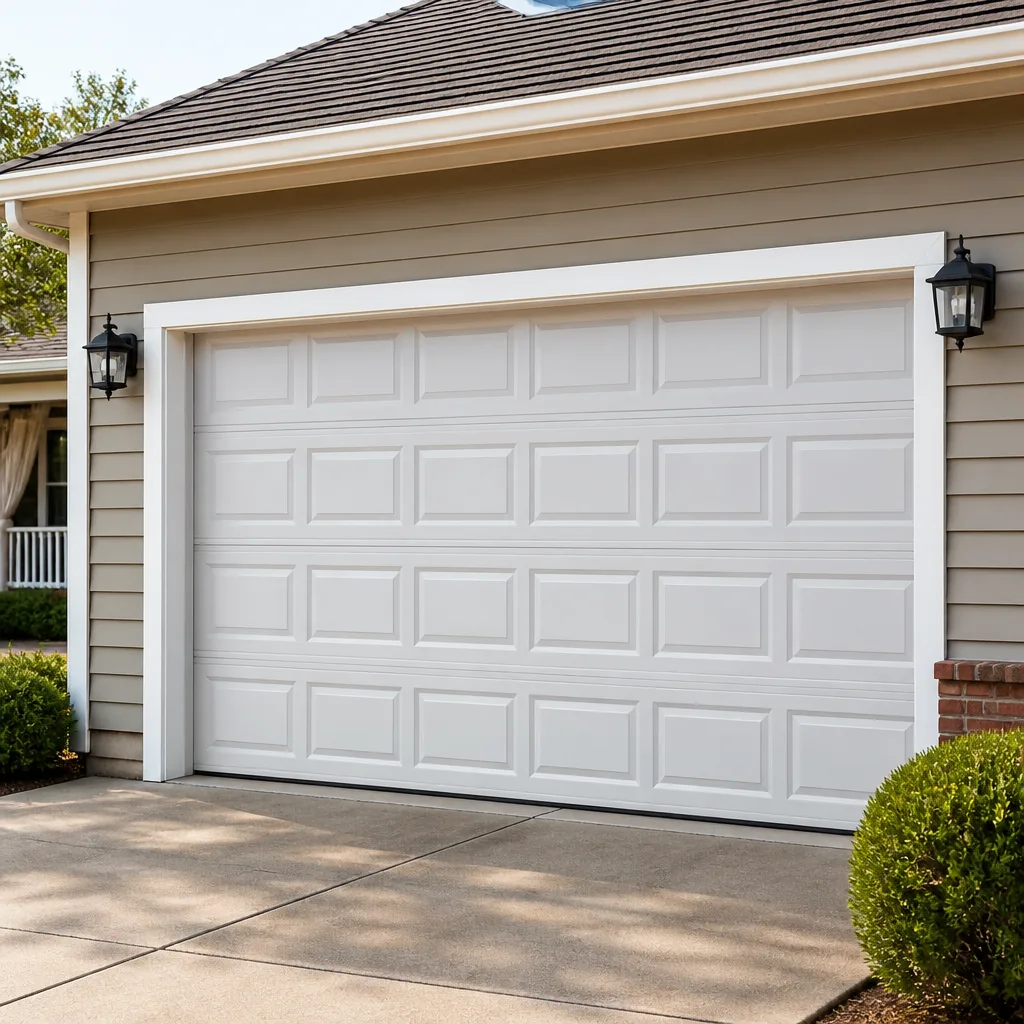 Raised-panel steel
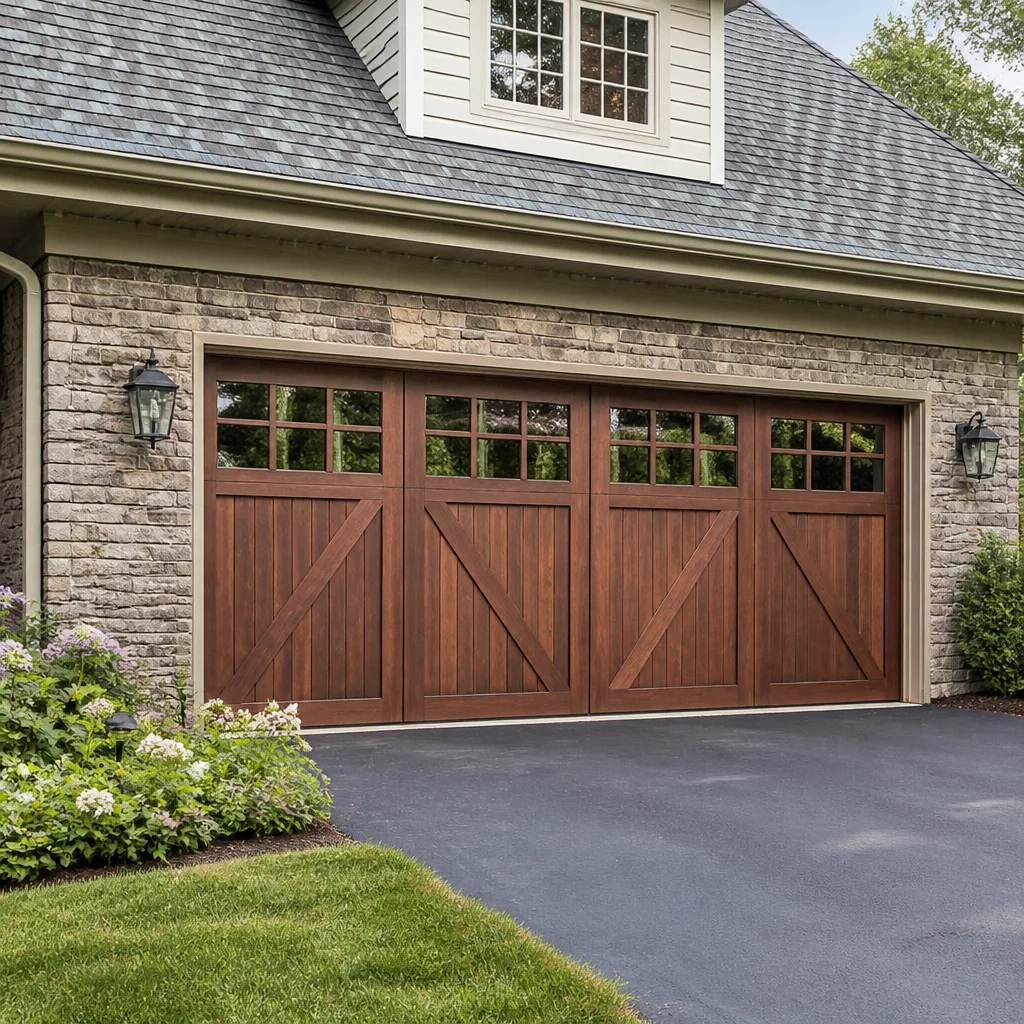 Carriage house
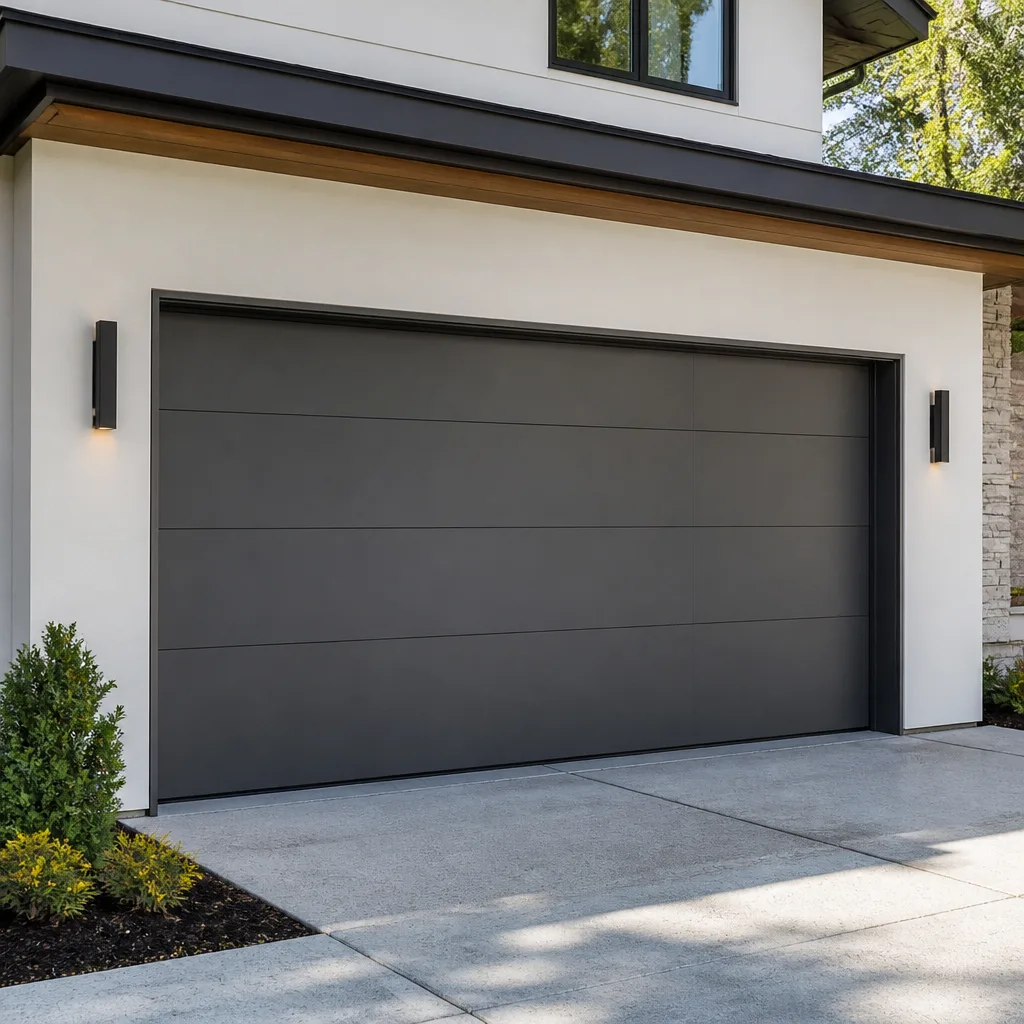 Modern flush
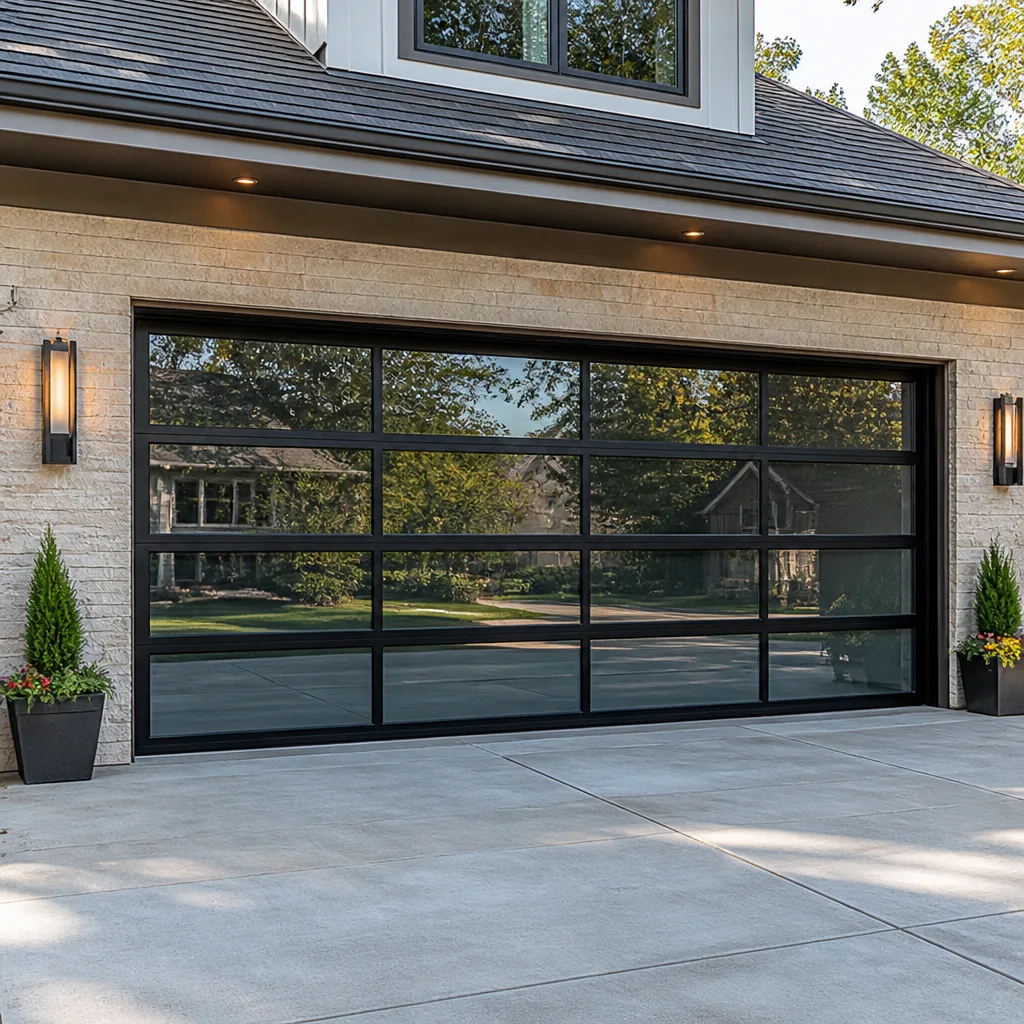 Full-view glass
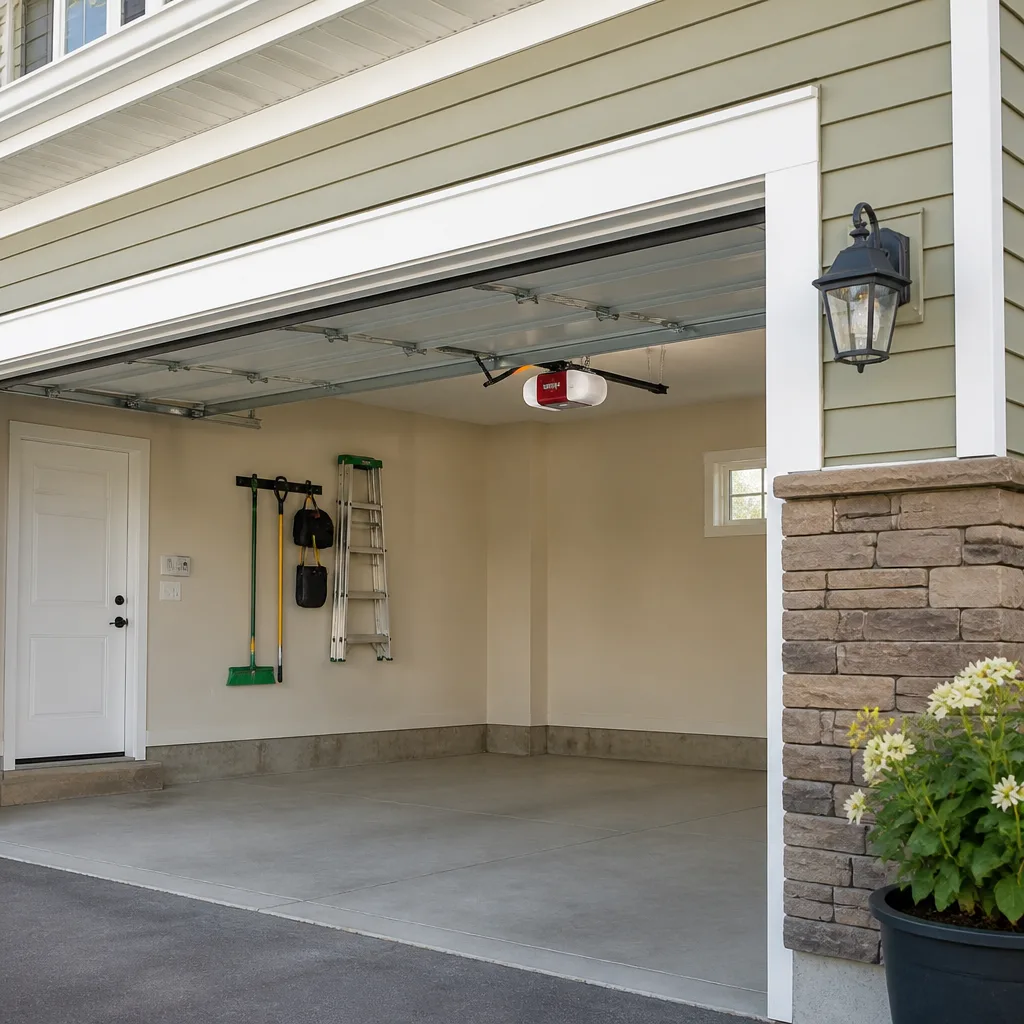 LiftMaster openers
 Chamberlain openers
Full 25-point door and opener safety check with every visit - springs, cables, rollers, tracks, and your LiftMaster or Chamberlain opener included
You get a price before we start. It does not change when the pro arrives.
Get your free estimateGarage Door Repair Troubleshooting in Brentwood: Common Problems and How to Fix Them
A snapped torsion spring stores enough energy to break bones, yet it’s the number-one repair homeowners attempt after watching a four-minute video. That gap between confidence and consequence is where most garage door damage starts. The truth is that a garage door is a system, not a collection of parts, and the symptom you see – a door that won’t close, a motor that hums, a cable that hangs loose – almost never points to the component you’d guess. In this guide we map Brentwood garage door failures back to their real mechanical cause, show you which fixes are safe to handle and which ones can put you in the hospital, and explain how Long Island’s humidity and freeze-thaw swings quietly wear down hardware that looks fine.
Quick Answer
Most garage door problems in Brentwood trace to four causes: worn rollers or hinges, a failing torsion spring, a misaligned track, or an opener under strain from one of the above. You can safely lubricate, tighten, balance and observe. You should never adjust torsion springs, cable drums or bottom brackets yourself – those carry stored energy that can injure you badly. If the door is heavy, crooked, or a cable is loose, call a specialist.
Styles & brands we work with
- Raised-panel steel
- Carriage house
- Modern flush
- Full-view glass
- LiftMaster openers
- Chamberlain openers
Table of Contents
- Your Troubleshooting Decision Tree: Symptom to Cause
- Why a Slow Door and a Noisy Door Often Share a Root Cause
- Torsion Springs: What They Are and Why They Fail
- How Freeze-Thaw Cycles Fray Cables at the Drum
- Opener Strain: Voltage and Force Tell You Before the Motor Fails
- Tracks, Rollers and the Alignment Problems That Follow
- What Brentwood Humidity and Temperature Swings Do to Hardware
- The Red-Line List: Three Components You Never Adjust Yourself
Your Troubleshooting Decision Tree: Symptom to Cause
Start here. When a garage door acts up, the fastest way to the right fix is to read the symptom in order of severity, then decide if you’re safe to touch it. We’ve walked Brentwood homeowners through this sequence on hundreds of calls, and it saves a lot of guesswork.
- Door won’t move at all, opener silent. Likely a tripped breaker, dead remote battery, or a safety sensor blocked. Check the breaker, the remote, and the photo-eye lens first. Safe to check yourself.
- Opener hums but door doesn’t move. A stripped gear, a broken spring, or a door locked out. If the spring is snapped, stop and call a pro – do not force the opener. Safe to observe, not to repair.
- Door goes up partway, then reverses. Force setting too low, or a roller or track binding. Safe to inspect visually; opener adjustment needs care.
- Door hangs crooked or one side drops. A broken spring on one side, or a frayed cable. This is a stop-now situation. Call a specialist.
- Loud grinding or scraping. Worn rollers, dry hinges, or a bent track. Often safe to lubricate; track bending needs a pro.
- Door closes then opens again on its own. Photo-eye misalignment or a logic board issue. Safe to clear the lenses; opener diagnosis is a pro call.
When you can’t place the symptom in this sequence, that itself is a signal. A garage door is a tensioned machine, and “I don’t know what’s wrong” is a good reason to let a specialist look rather than experiment. For a full-service option, our garage door repair covers every one of these failure points.
Why a Slow Door and a Noisy Door Often Share a Root Cause
Homeowners tend to treat a slow door and a noisy door as separate problems. Mechanically, they’re usually the same story: worn rollers dragging in their tracks. The friction that slows the door is the friction that makes the noise. But the *fix* depends on your track type, and that’s where generalist advice goes wrong.
Two track configurations matter here:
- Standard 12-inch radius track uses more bend and relies on rollers with flexible stems. Worn stems chatter against the curve on every cycle, which shows up as clatter at the top of travel.
- Low-headroom or high-lift track uses a different geometry with tighter clearances. A roller that’s slightly worn in a low-headroom setup can bind outright instead of just rattling.
If your door has always been a bit slow and lately gotten louder, the rollers are almost certainly the culprit. If the door is fast at the start and bogs down mid-travel, you’re looking at a spring losing tension or a track that’s out of plumb. Those are different repairs.
Rollers themselves are cheap and easy to replace. What’s easy to get wrong is choosing the right replacement for your track – a nylon roller on a low-headroom track solves the noise problem, a steel roller on the same track quietly worsens it. Our technicians have up to 9 years of experience matching roller type to track geometry, and we work on your brand whether it’s Clopay, Amarr or a door installed decades ago.
Lubrication is the maintenance move. A dry silicone spray on hinges and roller stems, and a lighter touch on the torsion bar bearings, quiets a healthy door. If the noise comes back inside a couple of weeks, lubrication wasn’t the fix – something is wearing out.
Torsion Springs: What They Are and Why They Fail
The torsion spring is the counterbalance that makes a 150-pound door easy to lift. It’s wound tight, either a single spring over the center or a pair on most double doors. When it snaps, you’ll usually hear it – a sharp crack like a gunshot – and the door will feel like a slab. This is the repair people try at home, and it’s the one we most want you to leave alone.
Why springs fail in Brentwood: spring steel is rated in cycles, and the average household runs the door several times a day. Repeated load-and-release is what breaks springs. Our regional temperature swings don’t cause a spring to snap on their own, but a spring that’s already at end-of-life is more likely to fail on a cold morning when the metal is less forgiving.
Signs a spring is going or gone:
- A visible gap in the spring coil – two halves that no longer connect
- The door slams shut instead of easing down when you release it halfway
- Loud bang from the garage, no obvious debris
- Door is extremely heavy to lift by hand
When a spring is broken, the opener can’t lift the door safely. Don’t keep pressing the button hoping. Springs are replaced as a matched pair most of the time, and the job requires winding bars and a trained hand – this is what our garage door spring repair is built around. The written estimate sets the price before any work starts.
If you have a LiftMaster or Chamberlain opener paired with a broken spring, don’t run it. The motor will strain, and it may strip the drive gear coming out of the safety reverse when you least expect it.
How Freeze-Thaw Cycles Fray Cables at the Drum
The lift cables run from the bottom corners of the door up to the drums at the top of the shaft, and they take the entire weight of the door when the spring is out of balance. They fray. And they fray at the drum – a failure point national guides gloss over, and one Long Island weather actively accelerates.
Here’s the cycle: Brentwood, like most of Long Island, swings between freezing nights and thawing days a good part of the winter. Metal contracts and expands with each swing, and the cable wrapping on the drum does the same. Over many seasons, those tiny movements fatigue the individual wire strands where they bend tightest around the drum. Add a little sand or grit kicked up into the drum and the wear rate accelerates.
Cable warning signs:
- Broom-straw fraying visible anywhere on the cable run
- A dangling or slack cable on one side
- Door sags on one corner even when it’s closed
- Popping sound at the drum during operation
Cables aren’t DIY territory. A cable under tension that lets go is dangerous, and the drums are under the same spring load. When we inspect a Brentwood garage door, the cables and drums get the same attention as the spring itself, because a fresh spring on a frayed cable is a call-back waiting to happen.
Opener Strain: Voltage and Force Tell You Before the Motor Fails
Listen for grinding is common advice, and it’s only half the story. A strained motor usually tells you in numbers before it tells you in noise – through the opener’s own force and travel settings. If you own a LiftMaster or Chamberlain with a MyQ-style control panel, or a Genie with an LED display, you can often see what the opener is thinking.
Two settings matter most:
- Force (or sensitivity) setting. Every opener has one, expressed as a dial position or a display value. A door that’s correctly balanced runs at a low force setting. If you keep needing to raise force for the door to close, friction is increasing somewhere – roller, track, or hinge. That’s the honest fix. Turning force up to force the door through the drag is how motors die early.
- Travel limits. These control where the door considers fully open and fully closed. If the door is stopping short, the limits may have drifted – but only adjust limits if the mechanicals are healthy. Otherwise you’re just teaching the opener to stop halfway through a problem.
On 120-volt openers, a strain symptom that doesn’t show up in noise is the strain you feel at the door itself. With the opener disengaged (pull the release handle with the door closed, so it can’t free-fall if the spring is bad), lift the door by hand. A healthy door stays within reach with one hand. A door that fights you is putting that fight on the motor every cycle.
When the opener is genuinely failing – burnt board, stripped gear, dead capacitor – our garage door opener repair handles diagnosis and parts sourcing for the major brands, so you’re not guessing at a replacement. If yours is beyond repair, a new opener is straightforward; if your door is beyond repair, we handle full installation too, so you don’t need a second company.
Tracks, Rollers and the Alignment Problems That Follow
Track problems start small and get expensive. A track that’s a quarter-inch out of plumb will chew through rollers, then wear the hinge plates, then start forcing the opener. The bolt that started it all costs pennies.
Check these in order on a Brentwood door:
- Vertical tracks should be plumb. A level held against the side of the track tells you in seconds.
- Horizontal tracks should be level along their run and parallel to each other. If one sags, the door will drag on that side.
- Roller stems should sit centered in their hinge slots. A stem pushed to one side is a sign a roller was replaced with the wrong size or a hinge is bent.
- Bolts at the track brackets should be snug, not cranked. Overtightening distorts the bracket and knocks the track out of line.
- Fasteners at the wall should hold. If a lag has pulled, the entire track can shift out of alignment.
Minor alignment issues are a safe DIY fix. If a track is visibly bent, though, don’t try to bend it back with a hammer – the door can come off the track with serious force. That’s a pro job, and it’s quick when the right tools are on hand.
Rollers, hinges and bearings are the wear parts. Their failure pattern in Brentwood tends to cluster: doors that face the morning sun run hotter in summer, doors on shaded north-facing garages stay cooler. That heat difference changes how fast the plastic bushings in your hinges age, so a door pointed one direction may need new hinges a season or two before its neighbor.
What Brentwood Humidity and Temperature Swings Do to Hardware
Wooden garage doors and steel doors react to Brentwood’s seasonal swing in different ways, and knowing which you own changes what you check.
For wood doors, summer humidity causes swelling. A panel that rubs along one edge in August may be perfectly clear in February. That’s why a “sticking door” often isn’t a mechanical problem at all – it’s a seasonal fit issue. If you own a Clopay wood or wood-composite door, keep an eye on panel edges for cupping and refasten any loose trim before it traps the door.
For steel doors, humidity is less of an issue for the panels themselves but not for fasteners. Hinge screws, track bolts and bottom bracket fasteners all sit in a garage that gets humid in summer and cold in winter – that cycle loosens fasteners and lets vibration work bolts free. Walk the door once a season and check the hardware.
Freeze-thaw is the stealth factor. Anywhere a bolt, cable or pivot sees moisture and temperature swings, wear speeds up. That applies to cable drums, pulleys and the bottom bracket assembly, which is under tension. It’s why inspecting the door in late winter, after the coldest swings, catches problems before they turn into emergencies.
The bottom bracket deserves special mention. It’s bolted to the bottom corner of the door and holds the lift cable. It is under stored energy. It is on the red-line list below.
The Red-Line List: Three Components You Never Adjust Yourself
This is the most important section of the guide. These three components share one thing in common: they hold energy that releases the moment you loosen the wrong bolt. Every one of them has injured a homeowner who read a guide telling them it was easy.
- Torsion springs. The spring is wound with winding bars and stored energy equal to the full weight of the door, multiplied by the drum ratio. There is no safe shortcut. The correct tool, the correct winding bar size, and the correct technique all matter. A spring that lets go while you’re winding can break a wrist.
- Cable drums. The drum is where the cable stores tension, and the drum sits on the same shaft as the spring. Remove the wrong set screw and the whole assembly can spin. The cable wrap is the only thing between you and that spin.
- Bottom brackets. The bottom bracket anchors the lower cable end and it sits at the door’s corner. It’s held under spring tension. Loosening that bolt with the spring wound is like pulling a pin out of a drawn bow. Never touch it while the spring is wound, and never assume a door that “looks relaxed” is safe.
There’s a fourth item we add to that list for good measure: the opener’s drive gear and rail while the door is attached. If you need to work near the opener, disconnect the door first from the opener and make sure the spring is sound.
Our specialists are trained specifically around these three components. That’s the job we do all day. It isn’t a handyman task, and it isn’t a task that gets better with YouTube confidence.
Common Mistakes to Avoid
- Cranking the opener’s force setting to make a dragging door close. That’s a symptom fix that wears the motor out fast. If the door is dragging, find the friction and fix that.
- Replacing one spring on a matched pair. A pair of springs wears together; replacing one leaves the other on borrowed life and, often, on an unbalanced shaft.
- Spraying WD-40 into the torsion spring coils. It attracts grit. Use a dry silicone spray for the moving parts and leave the coils alone.
- Bending a bent track back with a hammer. The door can come out of the track under spring force. A pro straightens tracks with the tension released.
- Treating a “slow door” as a separate problem from a “noisy door”. In Brentwood, both usually trace to the same worn rollers, and fixing one without the other leaves the noise behind.
- Ignoring fraying at the drum in fall or spring. That’s when the freeze-thaw cycle has done the most work, so a late-winter or early-spring inspection catches cable wear before it becomes a snapped cable.
- Assuming a dead opener is a dead opener. A Genie or LiftMaster that appears dead is often a tripped breaker, a dead battery in the wall control, or a photo-eye issue. Check that first.
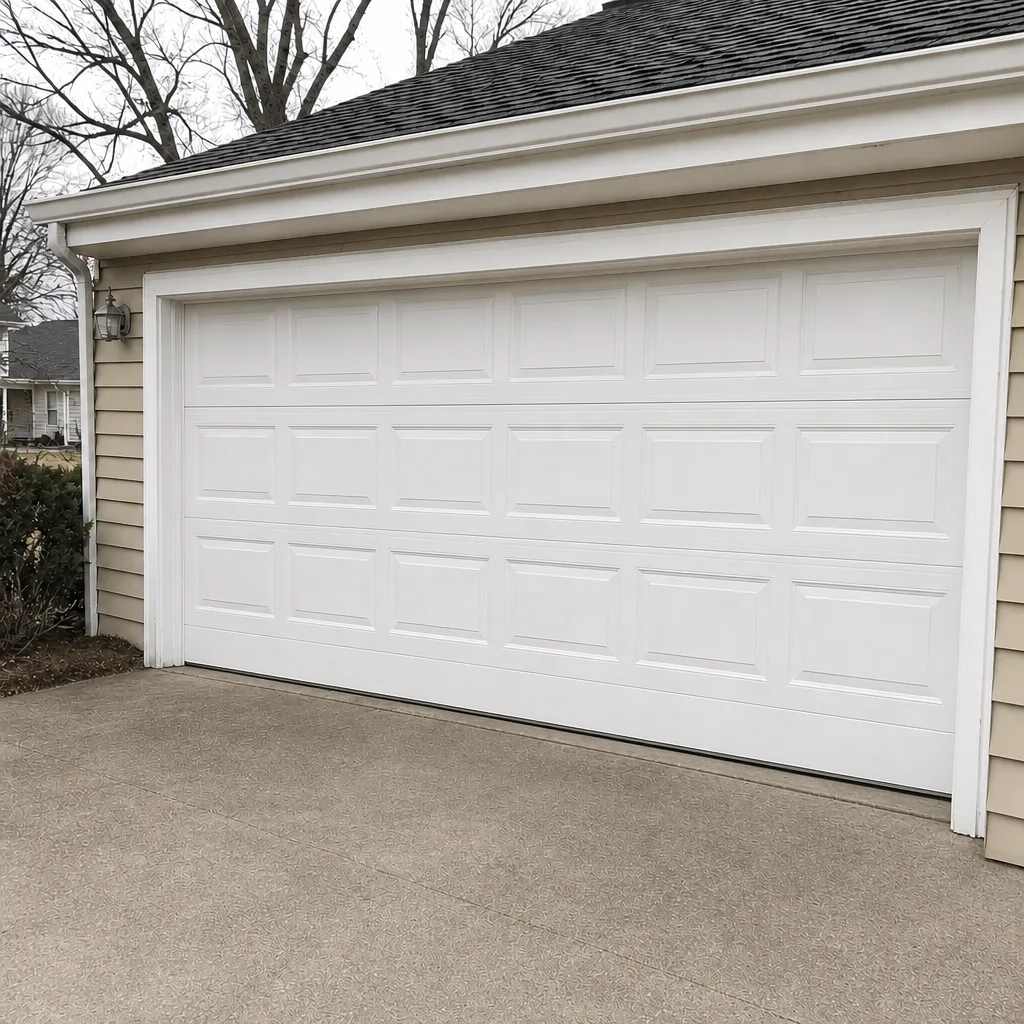
See the difference
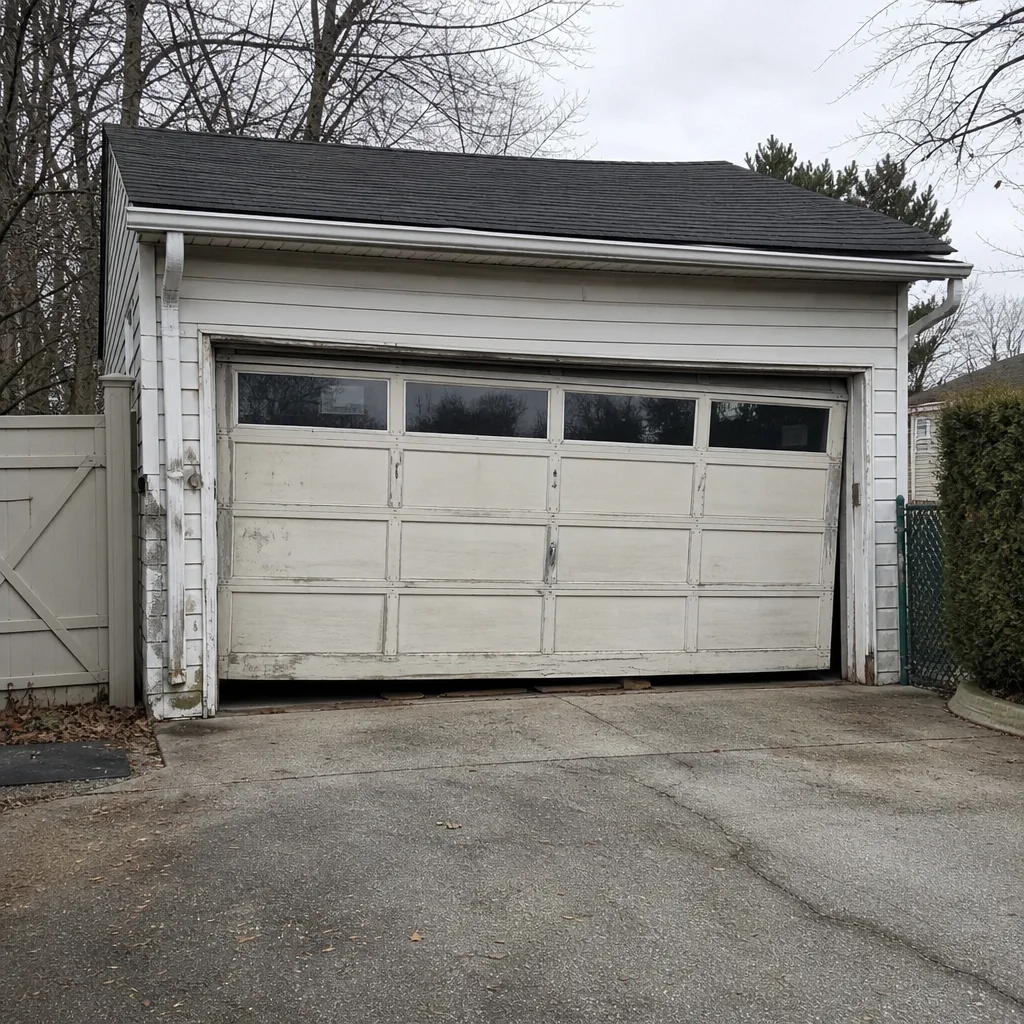 Before
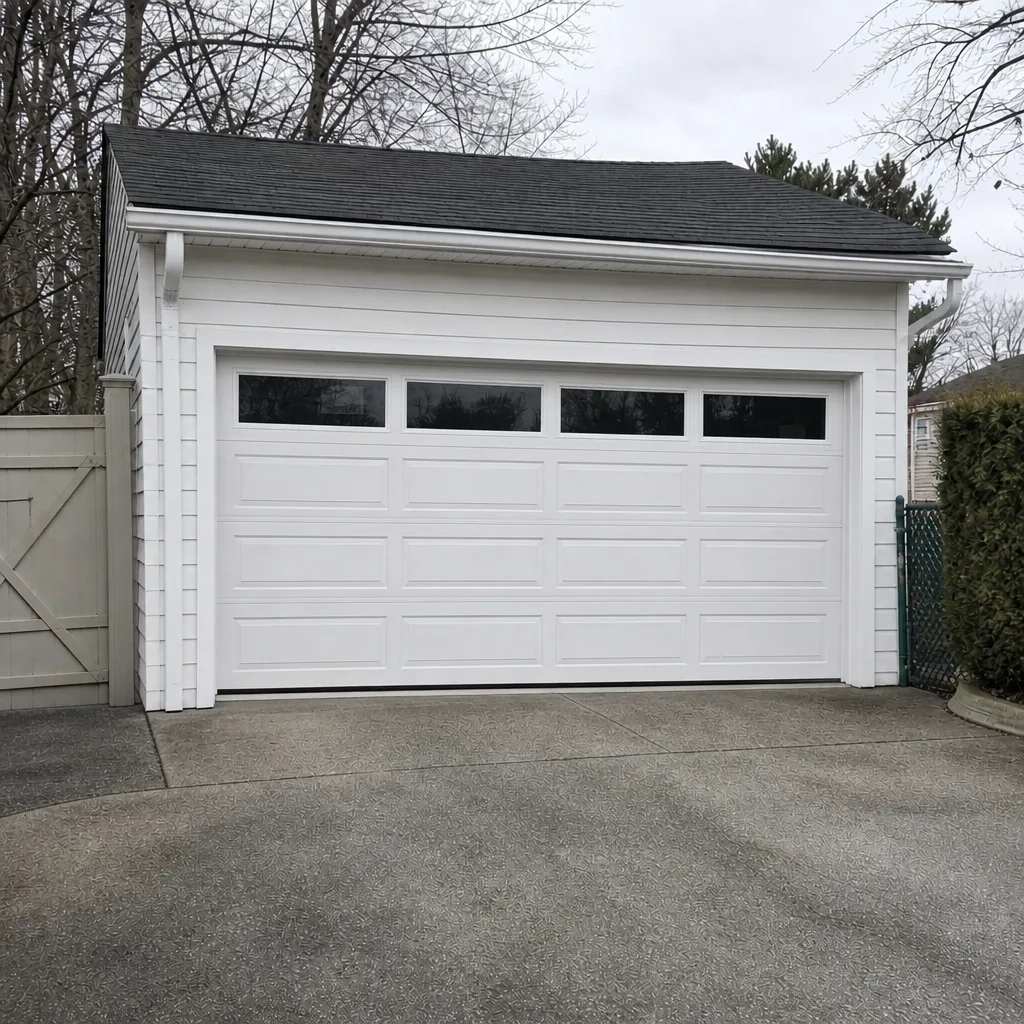 After
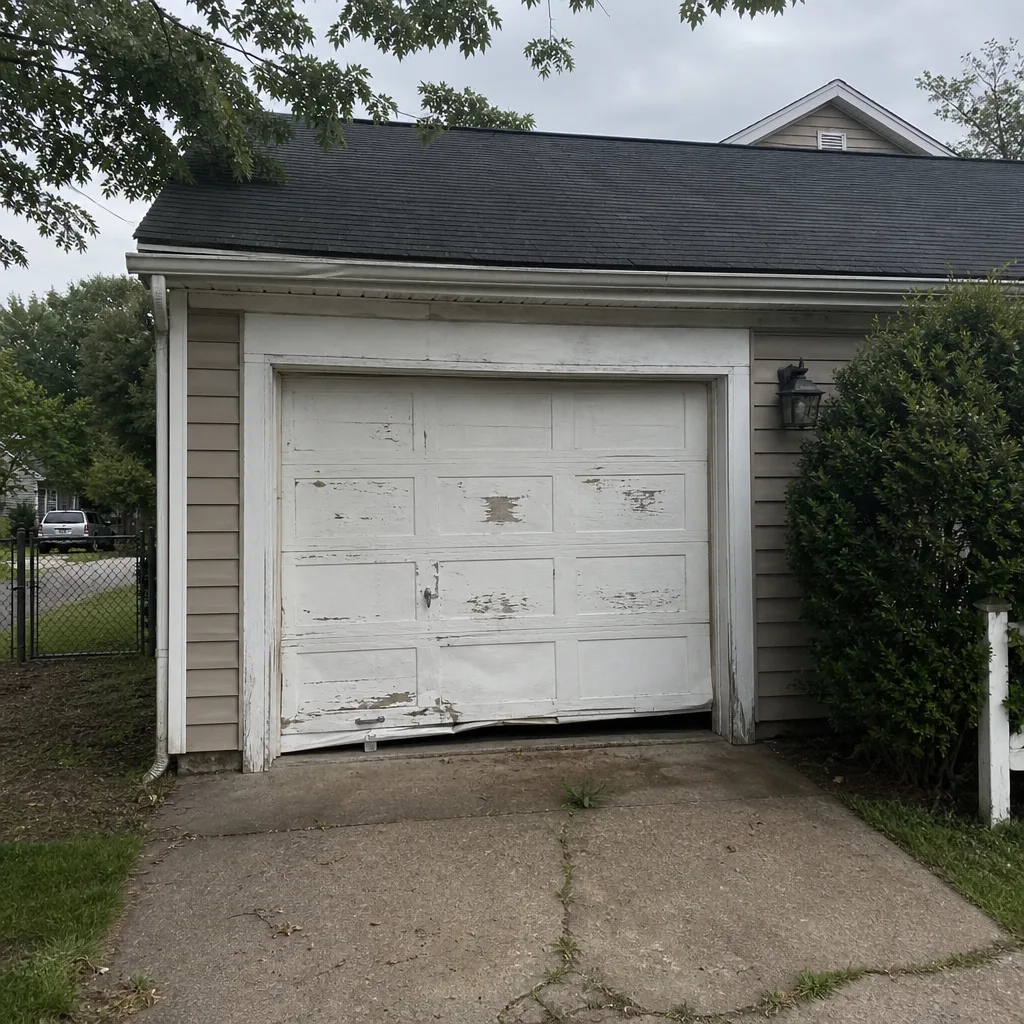 Before
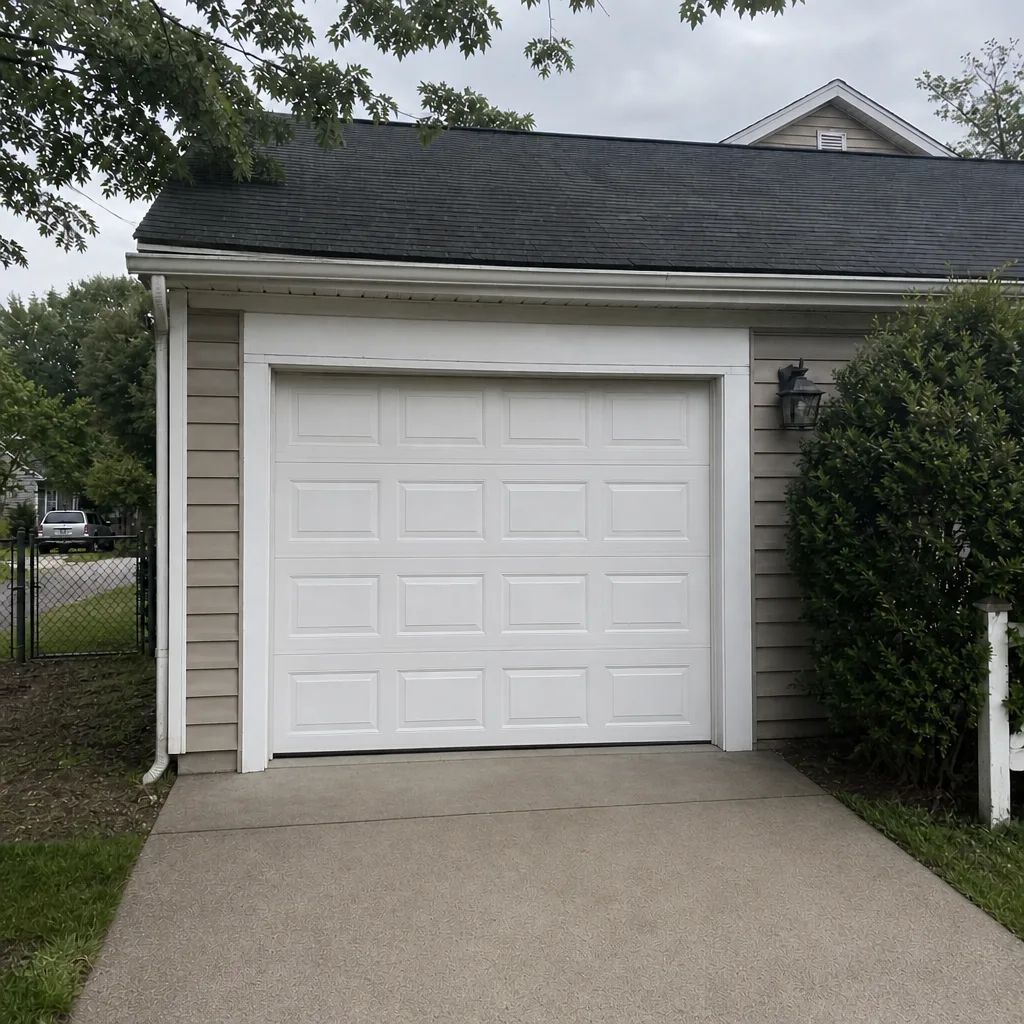 After
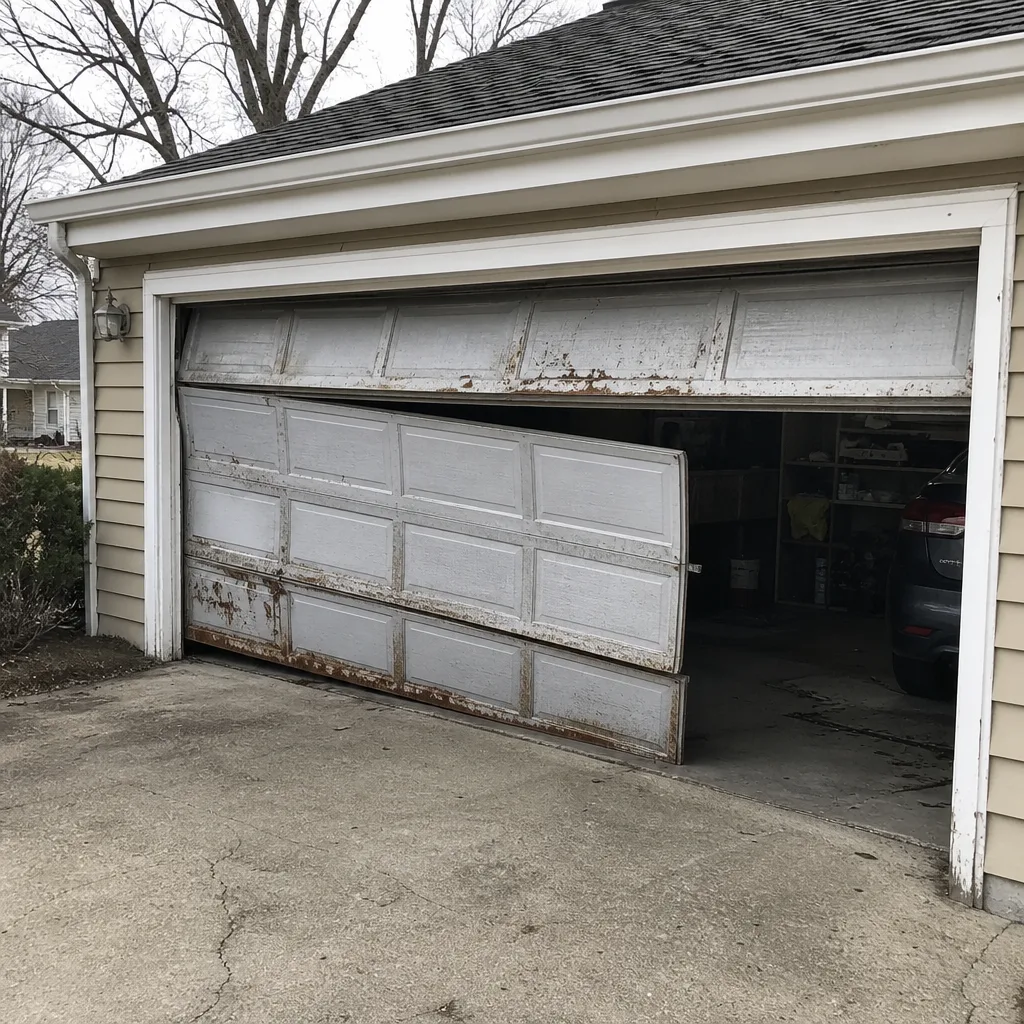 Before
 After
When to Call a Professional
Call a professional whenever the door is heavy, crooked, or held by anything you can’t see moving. A snapped or unwound torsion spring, a slack or frayed cable, a bent track, a bottom bracket that looks off, or an opener that hums but doesn’t move – these are pro-only. If a door won’t close and you can’t leave the house secure, that’s an emergency call, and it’s not a job for tomorrow.
At Brentwood Garage Door Repair Pros, we offer free estimates in Brentwood – call (833) 348-8658. We answer 24/7. Fast dispatch from 7am to 7pm, Sunday through Friday. Our technicians have up to 9 years of experience, and we work on your brand – LiftMaster, Chamberlain, Genie, Clopay and the rest of the major names. For general repair that starts with the Brentwood Garage Door Repair Pros home page, and for anything specific, one call covers it – repair, opener, springs, or a full new door.
Frequently Asked Questions
Most torsion spring repairs fall in a typical range that depends on the door size and whether it’s a single or matched pair. The written estimate sets the price, and it’s quoted and agreed before any work starts. Call (833) 348-8658 for an exact quote – estimates are free.
Same-day service is often available when you call early in the day. We answer 24/7, fast dispatch from 7am to 7pm, Sunday through Friday. For a door that’s stuck open or stuck closed and can’t be secured, call (833) 348-8658 and tell us the symptom – it helps us send the right technician.
No. We quote from what we find, you agree, and that’s the number. The written estimate is the price. Call (833) 348-8658 for a free estimate.
The local pro we connect you with is licensed and insured as their state requires. Ask us anything you want to know before the visit and we’ll answer it plainly. Call (833) 348-8658.
No, and we don’t recommend anyone try. A torsion spring holds enough stored energy to break bones, and the winding process requires specific tools. This is the number-one repair homeowners attempt after a video, and it’s the one most likely to send you to the ER. Call (833) 348-8658 and we’ll send a specialist.
Winter slows the lubrication in your rollers and hinges, and it stiffens the rollers themselves. Cold also exposes a door that’s out of balance or has a spring near end-of-life, so a door that’s fine in summer can drag in January. If the door also gets louder, worn rollers are likely. Call (833) 348-8658 to schedule a free estimate.
The Bottom Line
Most garage door problems in Brentwood look more complicated than they are – but the complications come from treating symptoms instead of systems. Start with the decision tree, then read the symptom back to the mechanical cause. Safe DIY: lubricating, tightening, visual inspection, checking breakers and batteries. Stop-now DIY: torsion springs, cable drums, bottom brackets. Worn rollers explain both slow doors and noisy doors, and the fix depends on your track type. Freeze-thaw in Brentwood frays cables at the drum, so inspect in late winter. Opener force and travel settings show strain before the motor fails. When the door is heavy, crooked, or held by anything you can’t see, one call covers it – repair, opener, springs, or a full new door. Specialists, not generalists: that’s the shortest path to a door that works.
Call (833) 348-8658 for a free estimate. We answer 24/7. Fast dispatch from 7am to 7pm, Sunday through Friday.
Written by the team at Brentwood Garage Door Repair Pros.