
Last updated November 22, 2026
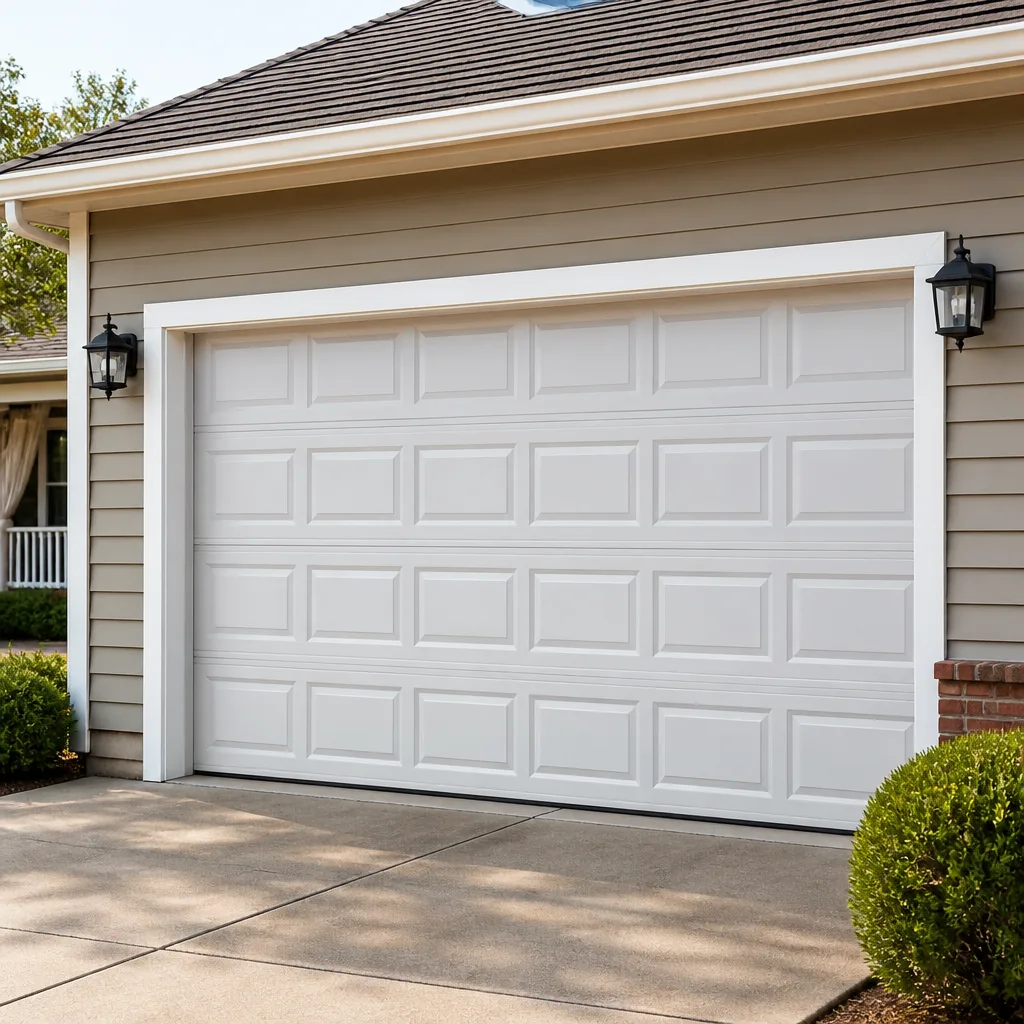 Raised-panel steel
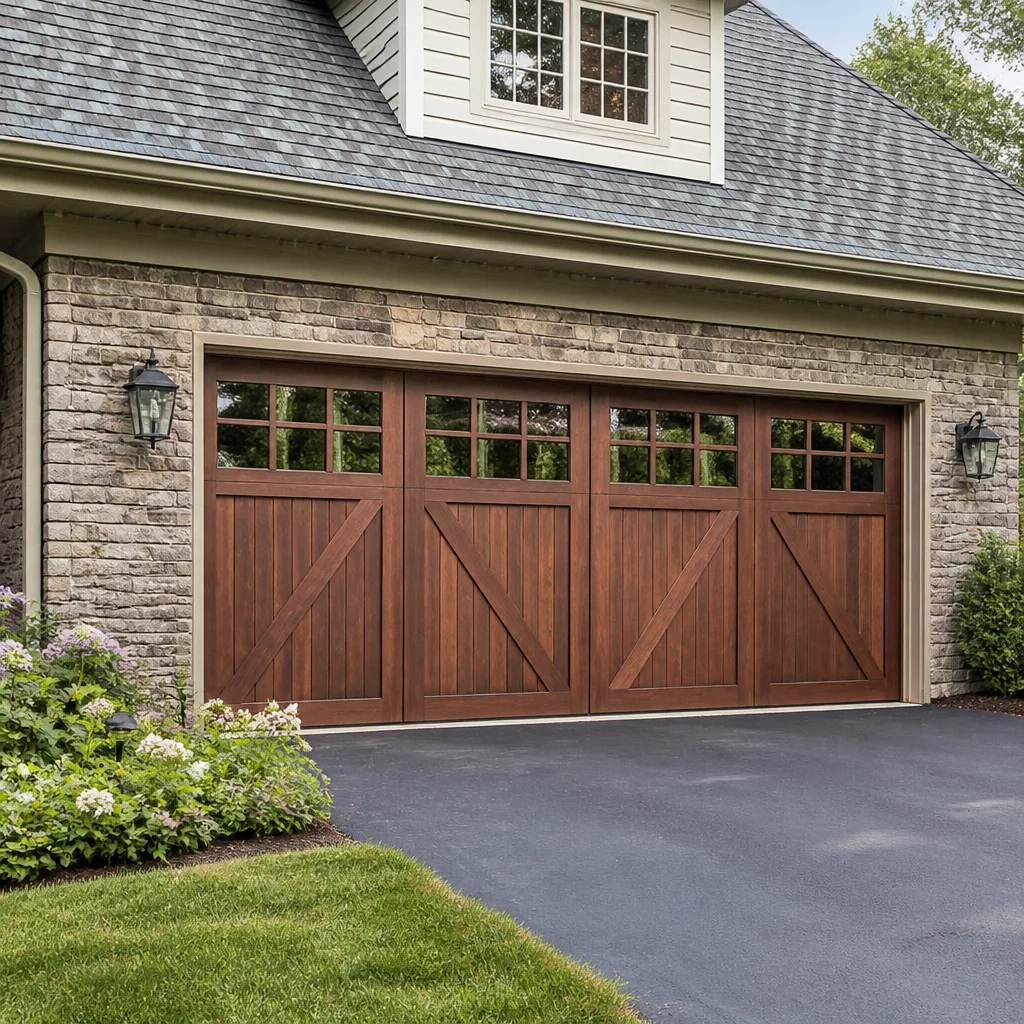 Carriage house
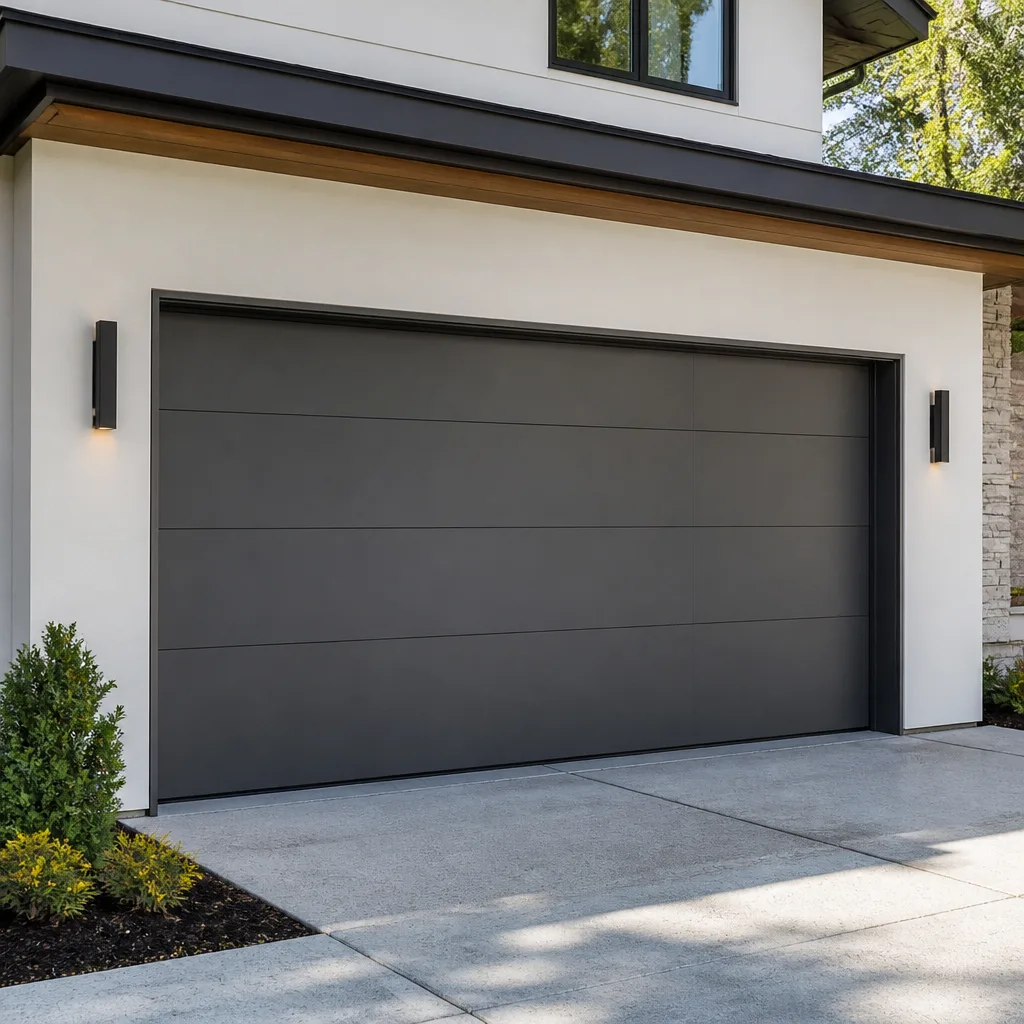 Modern flush
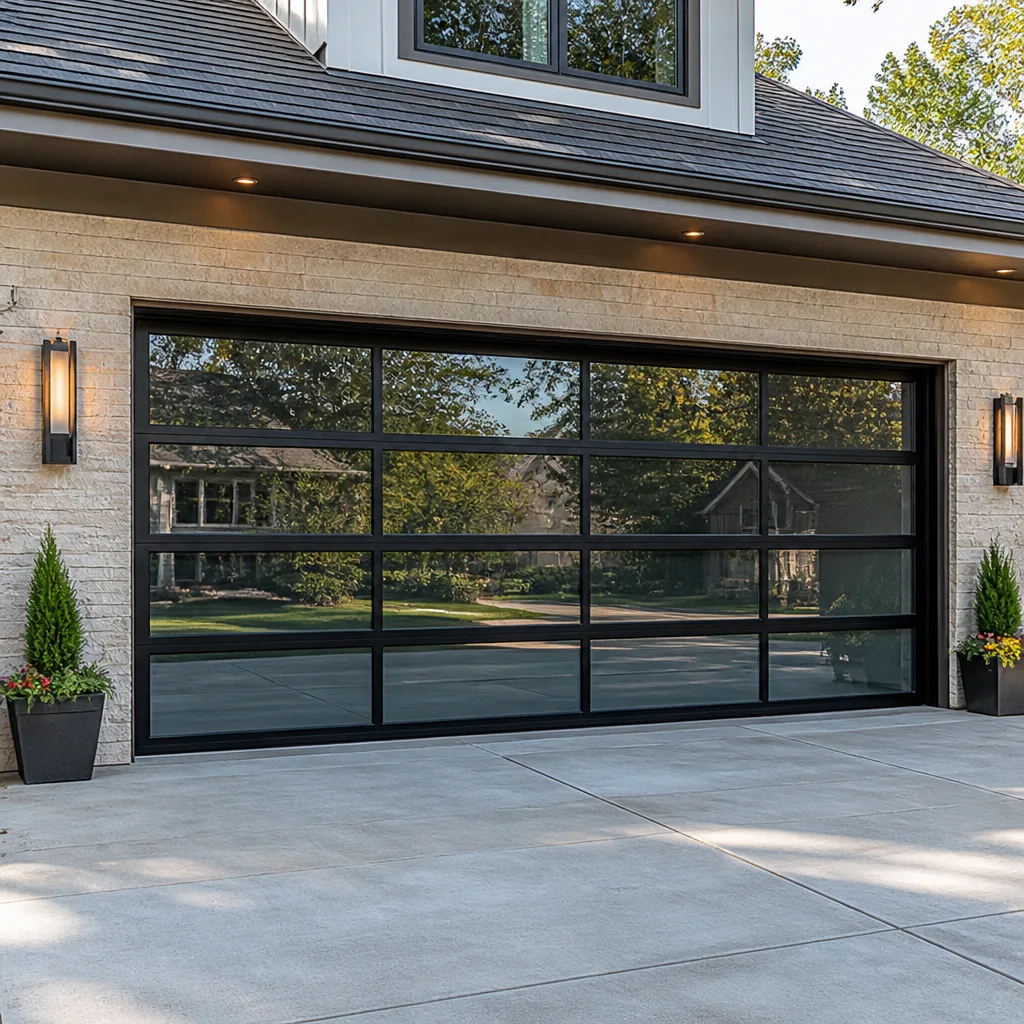 Full-view glass
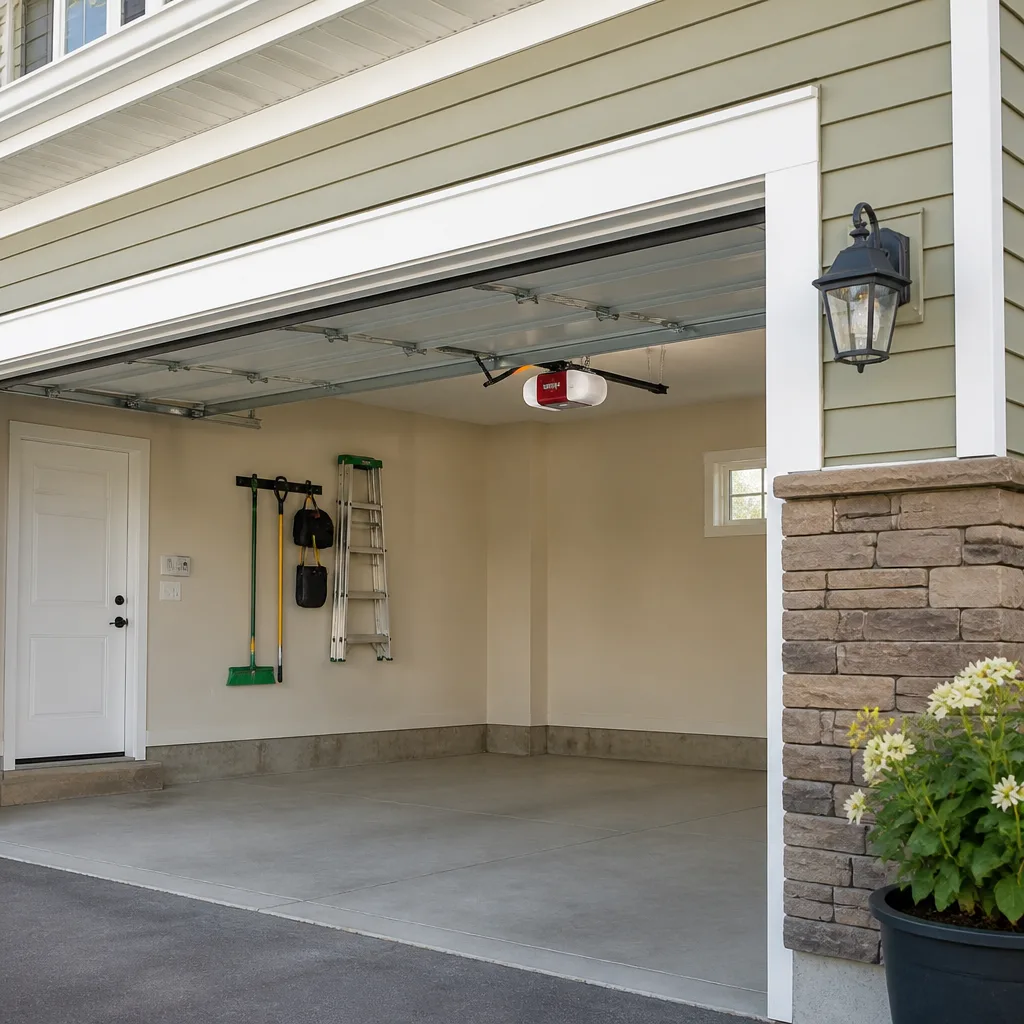 LiftMaster openers
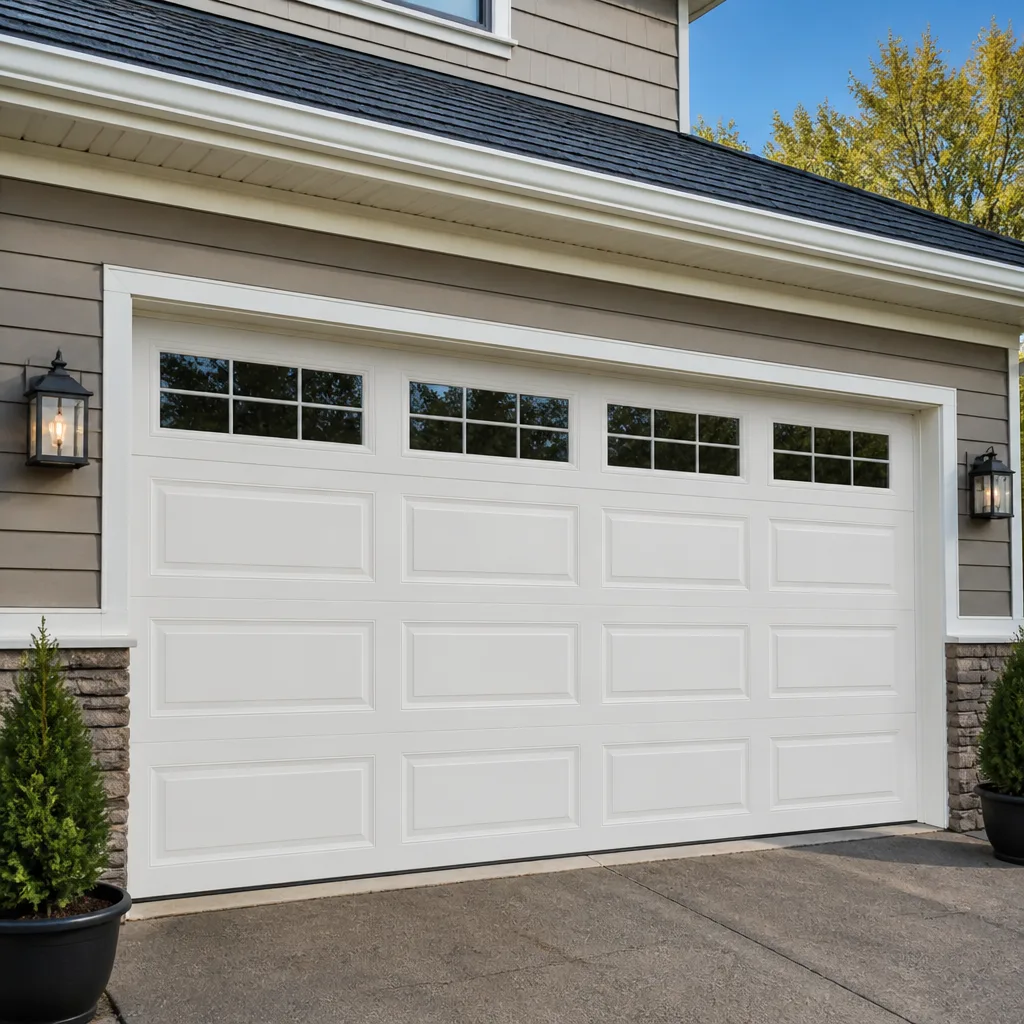 Chamberlain openers
Full 25-point door and opener safety check with every visit - springs, cables, rollers, tracks, and your LiftMaster or Chamberlain opener included
You get a price before we start. It does not change when the pro arrives.
Get your free estimateSeasonal Garage Door Care for Brentwood: Year-Round Homeowner’s Guide
Most garage door advice tells you to “check your door twice a year” and calls it a day. In Brentwood, that advice falls short. A door on Long Island faces a specific sequence of stress: humid summers that swell wood panels, a fall that turns cold fast, winter freeze-thaw that works on every rubber seal, and spring storms that push wind and water against the whole assembly. Treat maintenance as a calendar of generic tasks and you’ll miss the timing that actually matters. This guide assigns the right work to the right months based on what Brentwood weather does to springs, tracks, openers and seals, so you can catch small problems before they become emergency calls.
Quick Answer
Seasonal garage door care in Brentwood means more than a twice-a-year check. The short version: lubricate moving metal before the first cold snap, inspect and clean bottom seals after every freeze-thaw cycle, tighten and clean hardware in spring as road-treatment residue builds up, and test the manual release and reinforcement brackets before nor’easter season. Handle those four windows and most emergency repairs never happen.
Styles & brands we work with
- Raised-panel steel
- Carriage house
- Modern flush
- Full-view glass
- LiftMaster openers
- Chamberlain openers
Table of Contents
- Why Brentwood’s Climate Sets Its Own Maintenance Calendar
- Fall: The Three-Week Head Start Brentwood Needs
- Winter: Freeze-Thaw and Your Bottom Seal
- Spring: Cleaning Off Winter’s Residue Before It Corrodes
- Summer: Humidity, Wood Doors and Track Alignment
- Storm Season: A Nor’easter Prep Checklist
- The Annual Rhythm: A Month-by-Month Task List
- When to Call a Professional
Why Brentwood’s Climate Sets Its Own Maintenance Calendar
Brentwood sits in the middle of Long Island, close enough to the water that the air carries moisture and salt year-round, and far enough inland that winter still delivers hard freezes. That combination is what makes a local care schedule different from a generic one. A door here isn’t dealing with one climate; it’s dealing with a cycle. Metal contracts in January, swells open in July, and every part in between moves a little with it.
That matters because garage door systems are built for stability. Springs hold tension, tracks hold alignment, and rollers hold the door in the track. None of those parts like being asked to flex back and forth for months. When the temperature swings, the gaps and tolerances that were tight in October loosen by February. That’s why we so often hear the same story: the door worked fine in the fall, sat mostly unused through the coldest weeks, and then started grinding or sticking the first time someone used it in earnest.
Brentwood homes also sit in a mix of housing that shapes what you should watch. Older neighborhoods have more wood-frame doors and original hardware. Newer construction more often runs steel doors with LiftMaster or Chamberlain openers. Both need seasonal care, but the failures look different. Wood swells and warps; steel rusts at the hinges and rollers. Knowing which one you have tells you where to spend your attention.
What the seasons actually do to your door
- Fall: shrinking metal, drying lubricant, seal edges pulling away
- Winter: freeze-thaw cracking seals, stiff springs, sluggish opener response
- Spring: salt and road-treatment residue drying onto hardware, storm-driven moisture
- Summer: humidity swelling wood panels, heat loosening fasteners, dust in tracks
Fall: The Three-Week Head Start Brentwood Needs
Here’s the part most guides miss. Standard advice for inland New York tells homeowners to do their fall prep around late October. In Brentwood, that’s already late. Because the air here holds more moisture and the first real cold arrives with a sharp drop, the metal parts of your door – springs, hinges, rollers, track edges – can go from “fine” to “sticking” in a matter of days. Starting your fall checklist in early October instead of late October gives you a three-week cushion to find and fix small issues before the cold has a chance to expose them.
The most common emergency call we see in early cold snaps starts with something small. A lubrication gap that built up all summer, a hinge pin that lost its film of grease, a roller that got slightly dry – none of those cause a problem while the weather is warm. The first hard freeze changes the viscosity of whatever lubricant is left, contraction tightens the metal, and suddenly a door that opened quietly all year grinds or sticks. It’s rarely the spring that failed first. It’s the moving parts around it.
Fall checklist (do this in early October)
- Wipe down hinges and rollers with a clean cloth to remove dust and old grease.
- Apply a garage-door-specific lubricant to hinges, roller stems, and the torsion or extension springs. Never use general-purpose oil.
- Test the balance by disconnecting the opener and lifting the door halfway. It should hold.
- Look along the bottom seal for gaps, cracks or pulled edges.
- Lubricate the opener chain or belt (if your unit has one) per its manual.
- Tighten any track bolts that have worked loose and confirm the track is plumb.
- Test the safety reverse with an object in the door’s path.
If you work with a Craftsman or Raynor door from the last decade, its manual will tell you which parts are meant to be lubricated and which are meant to stay dry. Follow it rather than over-lubricating; too much grease on nylon rollers and plastic track edges attracts grit.
Winter: Freeze-Thaw and Your Bottom Seal
The single most overlooked part of a garage door in Brentwood winter is the bottom seal. That thin rubber strip is the only thing between your garage interior and the meltwater that puddles against the door after a thaw. Every freeze-thaw cycle pulls at it a little. Water gets into a small crack, freezes, expands, and widens the crack. Repeat that ten times over a Long Island winter and a seal that looked fine in November is cracked and pulling free by February.
What most people don’t realize is that the right seal material depends on whether your garage is heated. If you heat the attached garage – or it shares a wall with living space and stays warm enough that it doesn’t freeze – a standard vinyl seal is fine. In an unheated garage, the seal takes the full freeze-thaw hit on both sides. A solid vinyl seal will harden, crack, and lose its shape. A flexible EPDM or rubber seal holds up far better in a cold, unheated space, and it also seals out the wind-driven snow that comes with a Long Island gale.
What to check on your seal
- Cracks at the corners, where water pools first
- Gaps between the seal and the floor when the door is fully closed
- Hard, stiff, or crumbly rubber (a sign of cold damage)
- Water stains along the bottom inside edge of the door
- Any spot where the seal has pulled away from the door’s bottom edge
If you have an unheated garage and haven’t replaced the seal in years, the first deep freeze is a good time to have it looked at. It’s a small fix compared to what water damage to a wood-panel door can run to.
Winter opener behavior
Your opener is doing more work in winter than in summer. Cold grease in the rail, a stiff door, and a chain that has slightly contracted all add to the load. If your LiftMaster or Chamberlain opener sounds strained on the first cold morning, don’t ignore it. That’s usually a sign the door needs lubrication and balance adjustment, not that the opener is failing. We recommend having the door looked at before the opener motor’s own force limits start straining the gears.
Spring: Cleaning Off Winter’s Residue Before It Corrodes
Spring on Long Island brings a specific problem: everything that touched the roads in winter dries onto your garage hardware. Road-treatment spray, salt-laden meltwater, and the fine grit that comes with it all end up on your hinges, rollers, track edges, and bottom seal. Once warm air arrives, it dries and sets. If it’s left there, it starts eating into the finish. Springs pit. Hinges rust. Rollers seize. The cleaning sequence matters, because the wrong order just pushes the residue deeper into the moving parts.
Spring cleaning sequence (do this in order)
- Rinse the door’s exterior with fresh water to loosen salt residue. A garden hose is enough.
- Wash hinges, roller stems and track edges with a mild detergent and rinse well.
- Dry everything thoroughly with a clean cloth before lubricating.
- Apply a fresh coat of garage-door lubricant to the same points you did in fall.
- Inspect the bottom seal for any damage from freeze-thaw season and replace if needed.
- Check the torsion spring for rust spots or pitting.
- Run the door through a full open-close cycle and listen for anything new.
Spring is also when the door’s balance and alignment tend to drift. If the door sags on one side, rubs on a track, or doesn’t lift smoothly, that’s a signal to look at it now, before summer heat loosens things further. Spring is a natural time to book a tune-up. It’s also a good moment to consider garage door repair for anything that’s been on the “I’ll get to it” list since fall.
Summer: Humidity, Wood Doors and Track Alignment
Summer in Brentwood means weeks of high humidity. For steel doors this is generally fine – you’ll get some rust at hinge points if the door’s finish has worn. For wood doors, it’s the season that quietly does the most damage. Wood panels absorb moisture through any spot where the finish has thinned. That absorption swells the panel. The swelling pushes at the frame and the track. A door that fit cleanly in April can start to catch or rub by August, and by autumn the panels have warped enough to misalign the tracks themselves.
What you want to catch is the swelling before it reaches the tracks. Here’s what to look for:
- Panels that feel soft, spongy, or give slightly when pressed
- Paint or stain that has blistered or flaked in patches
- New gaps between two panels, or between a panel and its frame
- Track visible rubbing marks (dark streaks or paint transfer)
- A door that lifts fine one day and catches the next morning
Heat and hardware
Heat also loosens things. Bolts on the track brackets, hinges and lock bars expand and contract over a summer. It’s worth a single pass with a wrench in July to make sure the bolts are still snug. Nothing dramatic – just a check. We see doors all summer that started a small problem in June and finished it as a track misalignment by August.
Opener load in summer
A wood door that’s swollen adds real weight. If your opener has been struggling since the middle of July, it’s not necessarily time for garage door opener repair – the door itself may be the issue. Have the door’s balance checked first. Once the swollen panels are addressed and the alignment corrected, the opener usually recovers on its own.
Storm Season: A Nor’easter Prep Checklist
Nor’easters hit Brentwood hardest in late fall and again in early spring. The wind is the challenge more than the rain. A garage door is a large, flat surface, and in a strong gust it acts like a sail. That’s why prep isn’t about battening down; it’s about making sure the door’s structure and hardware are ready for the load. An under-maintained door can give way in a strong storm even if the track and springs look fine on a calm day.
Pre-storm checklist
- Test the manual release. Pull the cord (with the door closed) and confirm the door can be lifted manually. Reconnect before reopening with the opener.
- Inspect track brackets and any reinforcement hardware. If any bolt is snug-free, torque it before the weather arrives.
- Check the bottom seal for gaps. Water driven under a closed door will pool inside and start on your floor anchor plates.
- Look at the weather stripping around the entry door between garage and house – a common leak point in high wind.
- Confirm the wall button and safety sensors are working. Power outages during storms often reset opener logic; you want the door functioning before the storm, not during.
- Clear anything stored near the door’s travel path, so nothing falls or blocks the door in an outage or during manual operation.
For homes on an exposed lot, or where the door faces a prevailing wind direction, reinforcement brackets along the top and bottom of the door are worth asking about. Not every door needs them, but the ones that do should have them installed before the storm, not after.
After the storm
Once the weather clears, take a walk around the door. Check the tracks for any bends or pulls, look along the seal for water intrusion, and run the door once. If anything looks off, call before the damage gets a chance to compound. A slightly bent track after a storm is a small repair; leave it and it becomes a full roller and hinge job.
The Annual Rhythm: A Month-by-Month Task List
Brentwood’s weather doesn’t always cooperate with a calendar, but here’s the annual rhythm that keeps a door in shape across Long Island’s four seasons. The months are guidance; shift a week or two as the season actually arrives.
- March: Post-winter wash, lubricate everything, inspect bottom seal and spring for rust.
- April: Track check and balance test. Book a professional tune-up if the door has been rubbing since winter.
- May: Wood door inspection – paint touch-up, swelling check, panel gaps.
- June: Pre-summer hardware tighten; opener diagnostic if it’s been slow.
- July: Bolt check across track brackets and hinges.
- August: Repeat wood-panel and track-alignment check; watch for heat-loosened bolts.
- September: Storm-season prep begins. Manual release test, reinforcement bracket review, seal check.
- October: The main fall tune-up. Lubricate, tighten, balance, seal.
- November: Verify the first cold snap hasn’t exposed anything. Listen for new sounds.
- December: Confirm seal integrity before the deep-freeze months. Watch for water inside the garage.
- January: Mid-winter inspection of seal cracks and spring hardness.
- February: Look ahead to spring cleaning; note anything that will need attention when the roads dry.
For any door with a wood-panel finish, add a full re-stain or repaint on a roughly two-to-three-year cycle, or sooner if you see more than a few patches of flake. For a steel door, an annual check of the hinges and springs for rust spots is enough. If you have questions about a specific brand – a Genie opener behaving oddly, a LiftMaster model that’s not responding to remotes, or an Amarr door whose panel alignment looks off – our team can help.
Common Mistakes to Avoid
- Treating “twice a year” as enough. In Brentwood, six months is a long time for a moving spring and a rubber seal. The seasonal rhythm above catches more problems before they become emergencies.
- Using WD-40 or general-purpose oil on hinges and rollers. Those products attract grit and dry out other surfaces. Use a lubricant made for garage doors.
- Over-lubricating nylon rollers and plastic track components. Too much grease on plastic parts attracts dust and causes sticking. Follow the door’s manual.
- Ignoring a bottom seal crack until the door’s inside gets wet. Water damage to wood panels and floor anchors runs far higher than a seal replacement.
- Adjusting springs yourself. Torsion and extension springs hold significant tension. Untrained adjustment causes serious injury. Call a specialist.
- Assuming opener strain means the opener is failing. Often it’s a stiff door, a swollen panel, or a balance problem. The opener recovers once the door is right.
- Waiting until after the storm to think about reinforcement. Storm prep only helps when it’s done before the gale, not after the first gust.
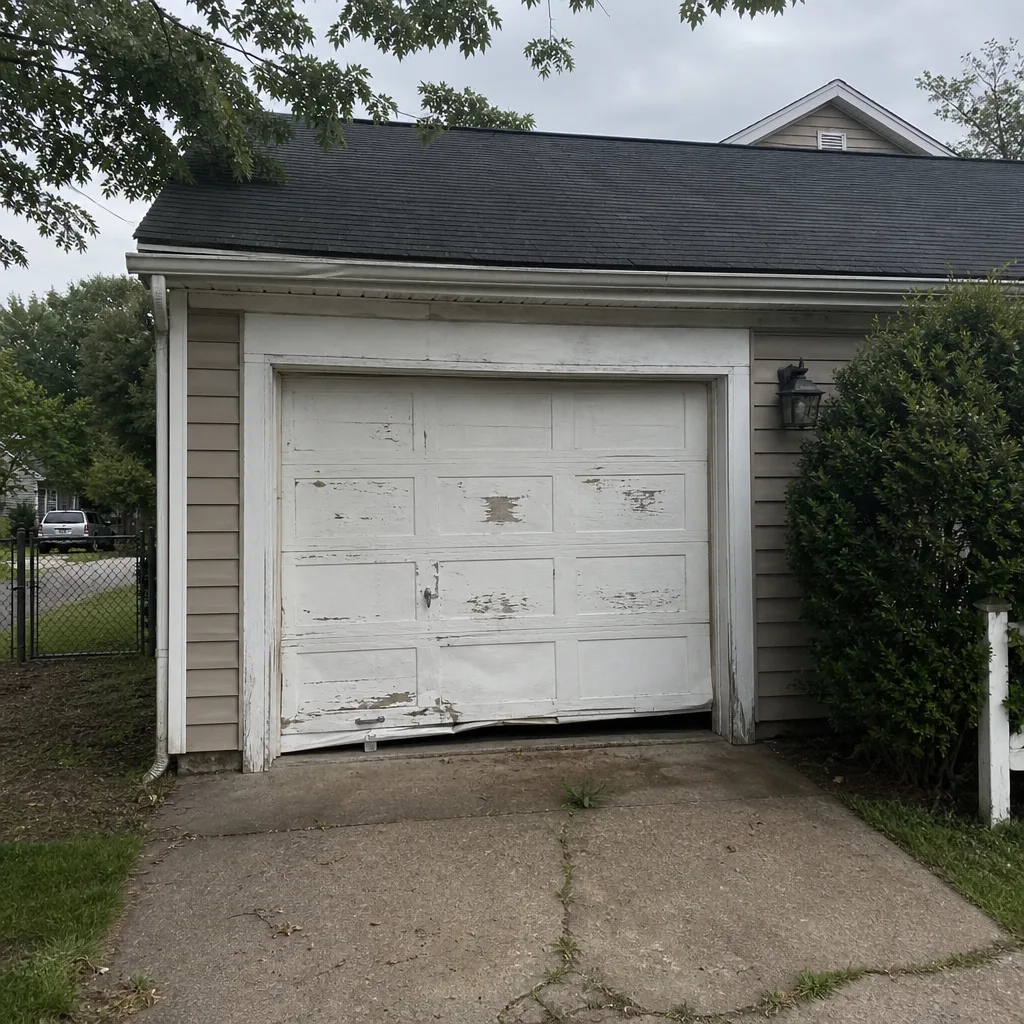
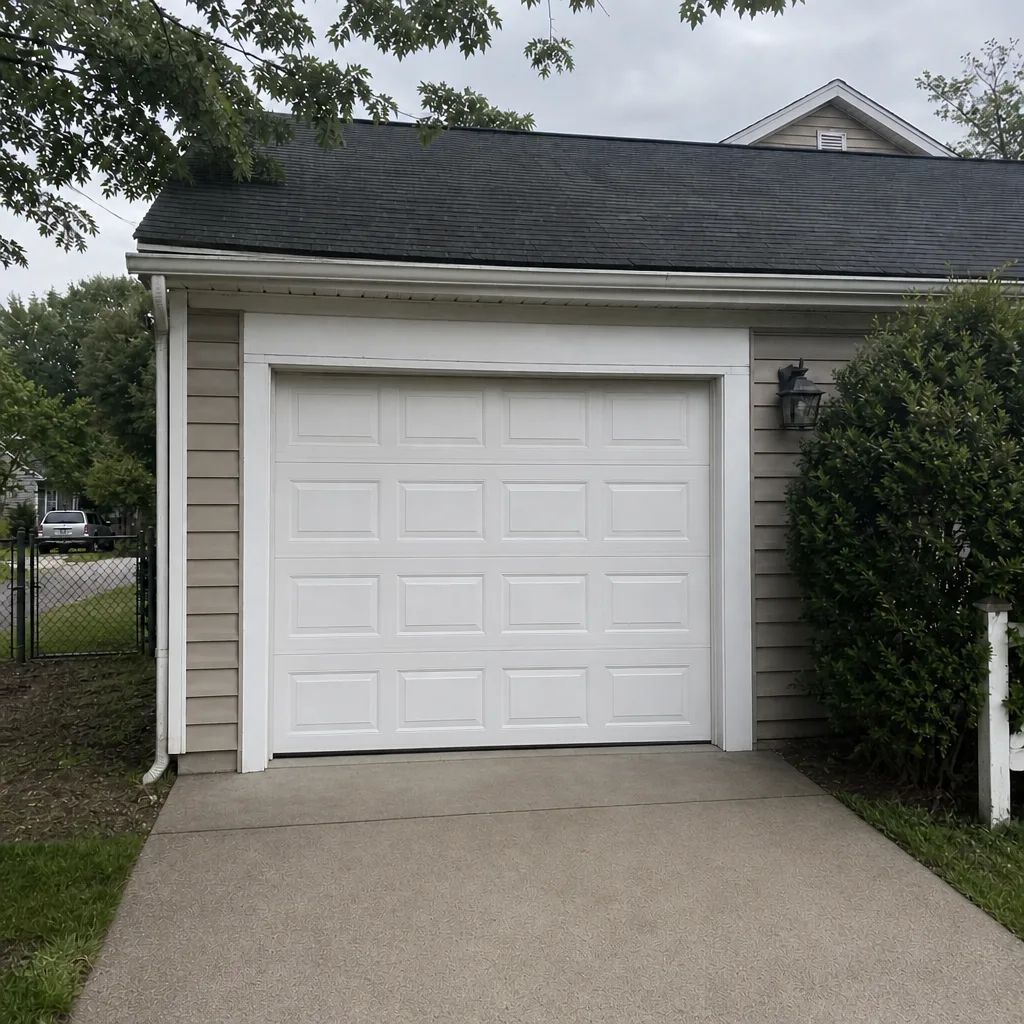
See the difference
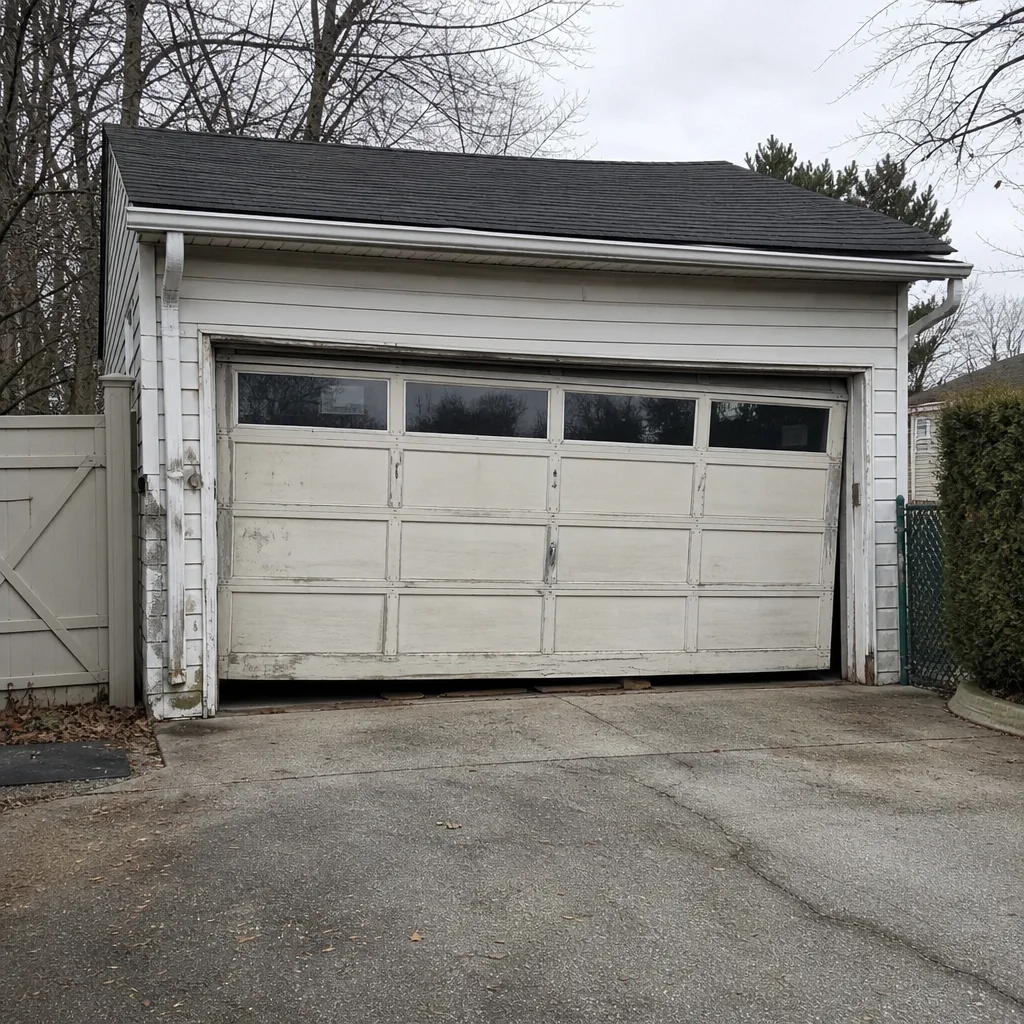 Before
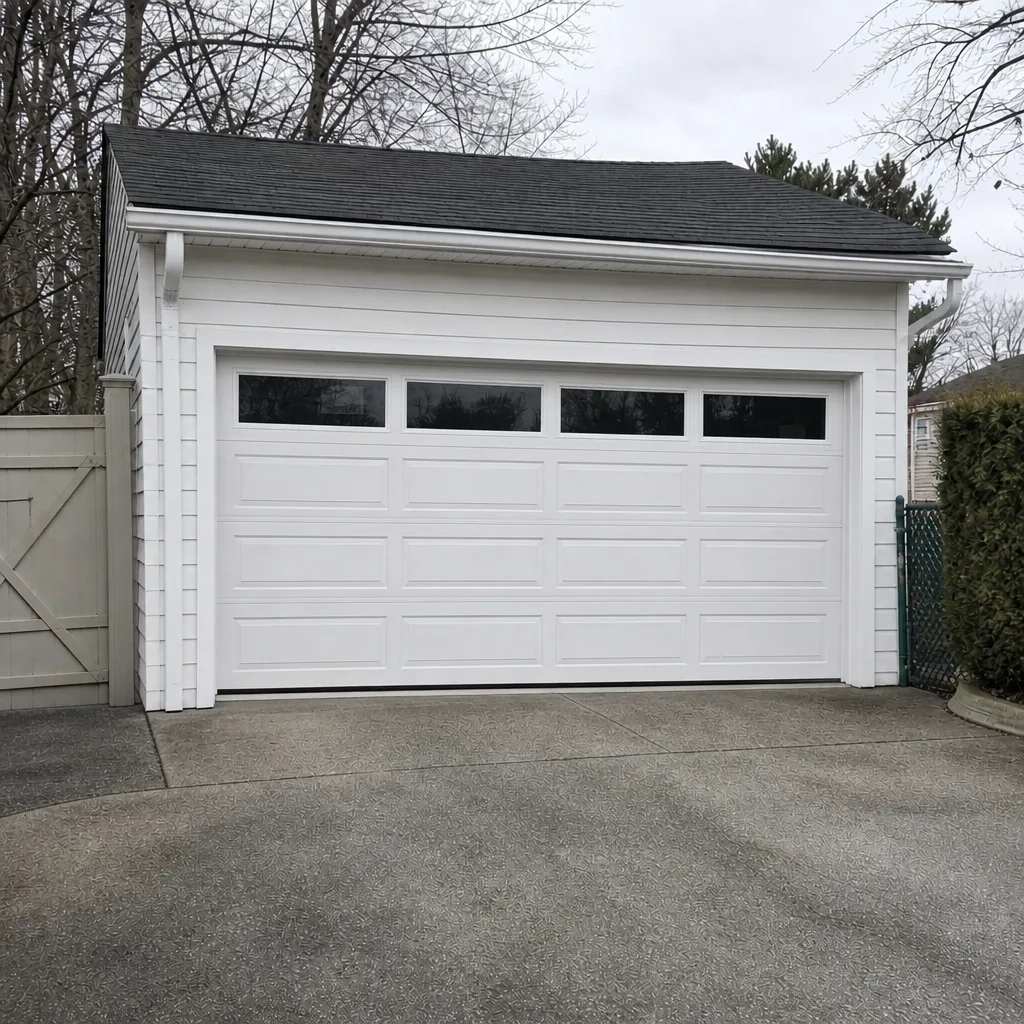 After
 Before
 After
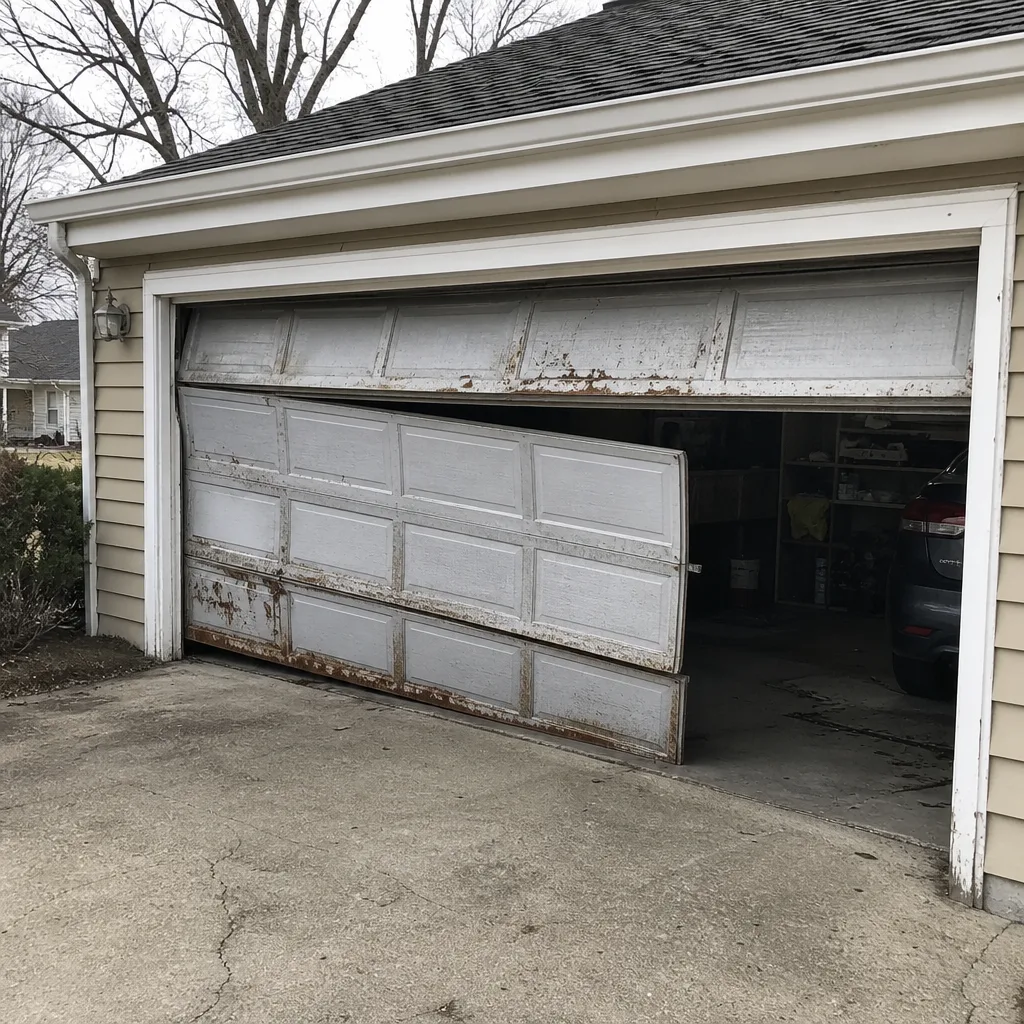 Before
 After
When to Call a Professional
Plenty of seasonal care is genuinely do-it-yourself: lubricating hinges, cleaning the bottom seal, washing off spring road residue, testing the manual release. But a few things on a garage door shouldn’t be handled alone. Springs under tension, cables, and anything involving opener force adjustments or track realignment are the work of someone with the right tools and training – and the risk of injury is real. So is the risk of turning a small fix into a big one.
Call a specialist when: the door has stopped opening or closing, the springs look rusted or have lost tension, the cables have come loose, a track is bent, the opener grinds or won’t respond, or the door failed during a storm. And call if you’re just not sure what a noise or a wobble means – better to know than to guess. Brentwood Garage Door Repair Pros offers free estimates in Brentwood. Call (833) 348-8658. We answer 24/7, with fast dispatch from 7am to 7pm, Sunday through Friday. Our technicians have up to 9 years of experience, and every visit is handled by someone whose entire skill set is built around garage doors.
Frequently Asked Questions
For most Brentwood homes, a main service in early October plus a check in April covers the two most climate-driven changeovers. Between those, clean and lubricate moving parts as needed, and inspect the bottom seal after every freeze-thaw stretch. Doors with wood panels or older hardware benefit from monthly self-checks.
Cold contracts metal and thickens leftover lubricant, so a small lubrication gap that built up over the warmer months suddenly becomes friction. That’s why we recommend fall lubrication before the first hard freeze. If yours already sticks, lubricate the hinges, roller stems and spring, then check balance and track. If it’s still binding, call us at (833) 348-8658; a trained inspection costs nothing extra when it’s part of a free estimate.
Yes. A heated garage can hold a standard vinyl seal, but an unheated space lets freeze-thaw work on both sides of the rubber. A flexible EPDM or rubber seal handles the cycle much better and keeps the wind-driven snow out. If your Brentwood garage isn’t heated and the seal is hardening or cracking, it should be replaced.
Look for panels that feel soft or spongy, blistering paint, new gaps between panels, and dark rub marks along the tracks. Any of those means the wood has taken on moisture. Catching it before the tracks misalign is a paint-and-seal job. Catching it after is a track realignment job. Both are repairable, but the earlier one costs less.
Yes. Storm-related repair is one of our core services, and we work on the leading brands including LiftMaster, Chamberlain, Genie, Clopay, Amarr, Wayne Dalton, Craftsman and Raynor. Call (833) 348-8658 for a prompt estimate, and we can usually assess within the day for a bent track, a shifted panel, or an opener that’s stopped responding after an outage.
No. Torsion and extension springs store enormous energy and can cause serious injury if they release unexpectedly. Adjusting or replacing them requires proper tools and training. Garage door spring repair is a job for a specialist, and it’s one we handle often. Call (833) 348-8658 if a spring is rusted, sagging or has visibly lost tension. Estimates are free.
The Bottom Line
Seasonal garage door care in Brentwood isn’t about following a calendar of generic tasks. It’s about timing the right work to the right month based on what Long Island weather actually does to springs, seals, tracks, openers and hardware. Start fall prep three weeks earlier than inland guides suggest. Keep unheated garages on a freeze-resistant seal. Clean road-treatment residue off hardware in spring before it corrodes. Watch wood panels for swelling through summer before it hits the tracks. Test the manual release and check brackets before nor’easter season. Do those four things and you’ll spend less on repairs and spend fewer mornings finding the door stuck. For everything else – a stubborn opener, a sagging spring, a door that just doesn’t feel right – we’re here and it’s a free estimate. Brentwood Garage Door Repair Pros is your one call for repair, Brentwood Garage Door Repair Pros, and every seasonal tune-up in between.
Call us at (833) 348-8658 for a free estimate on any garage door repair, tune-up, or seasonal inspection. We answer 24/7, with fast dispatch from 7am to 7pm, Sunday through Friday. Whether your door is one year old or twenty, a quick call today saves a bigger repair tomorrow.
Written by the team at Brentwood Garage Door Repair Pros.