
Last updated November 22, 2026
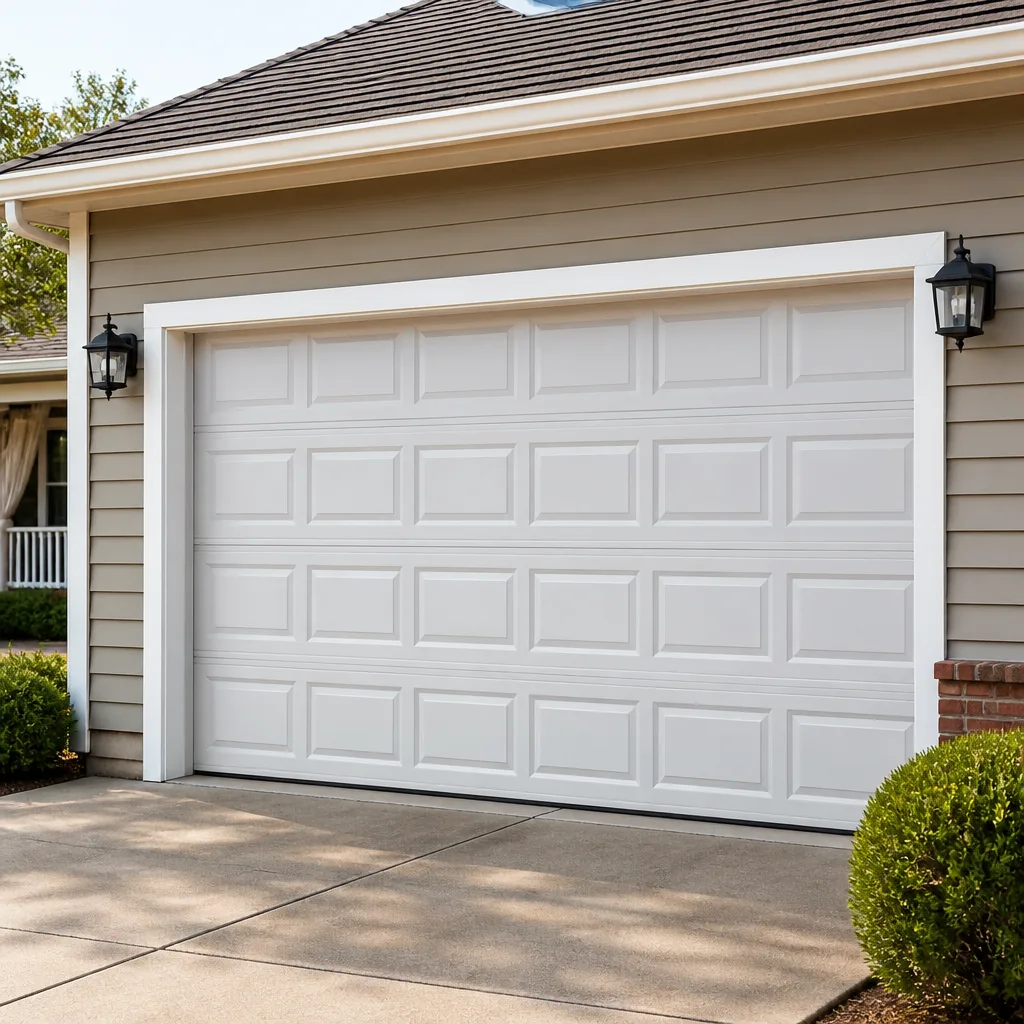 Raised-panel steel
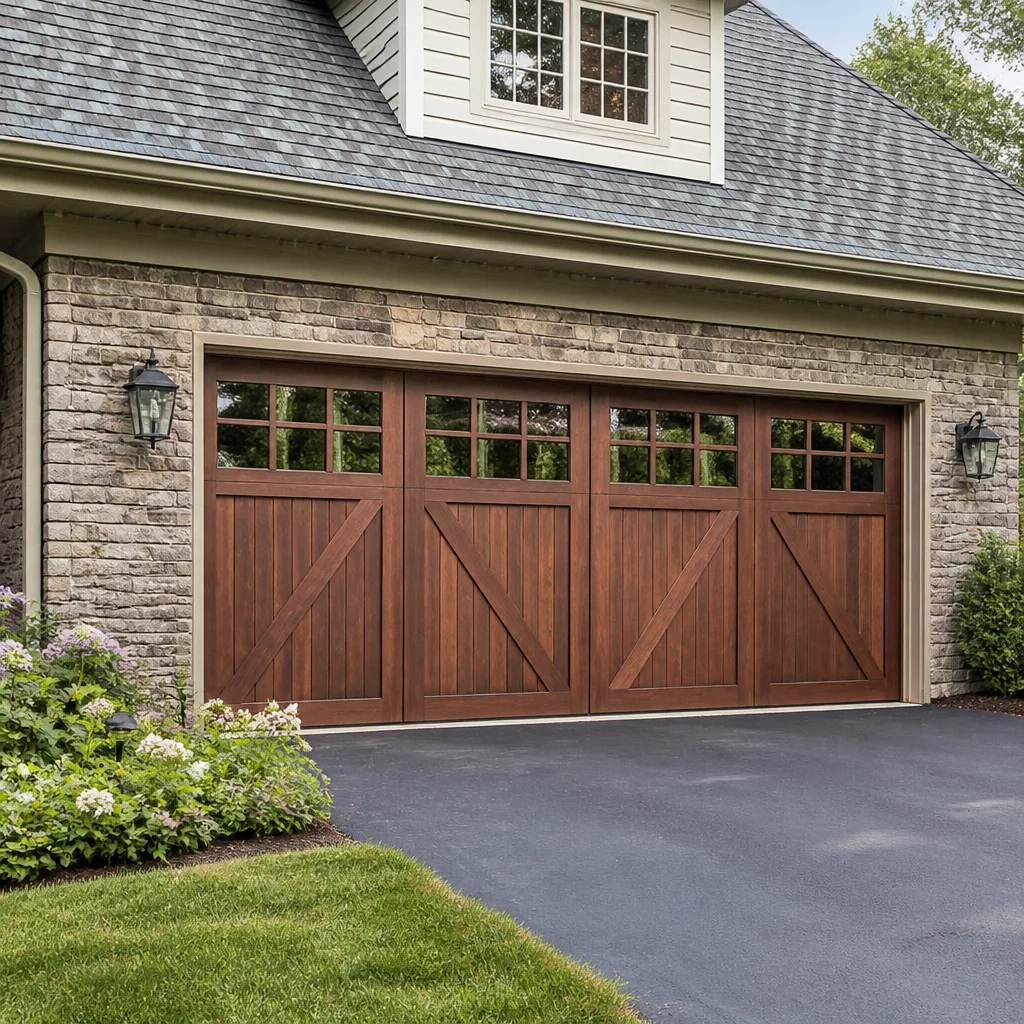 Carriage house
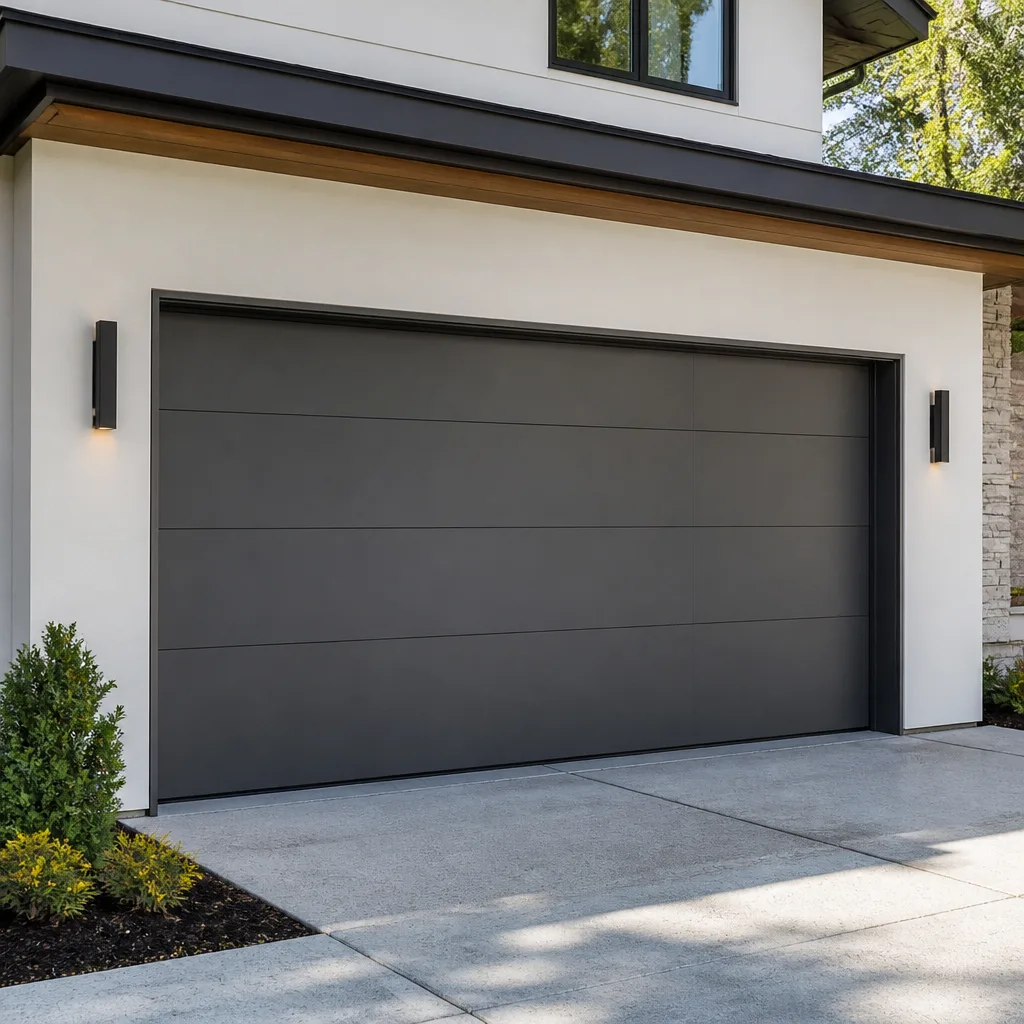 Modern flush
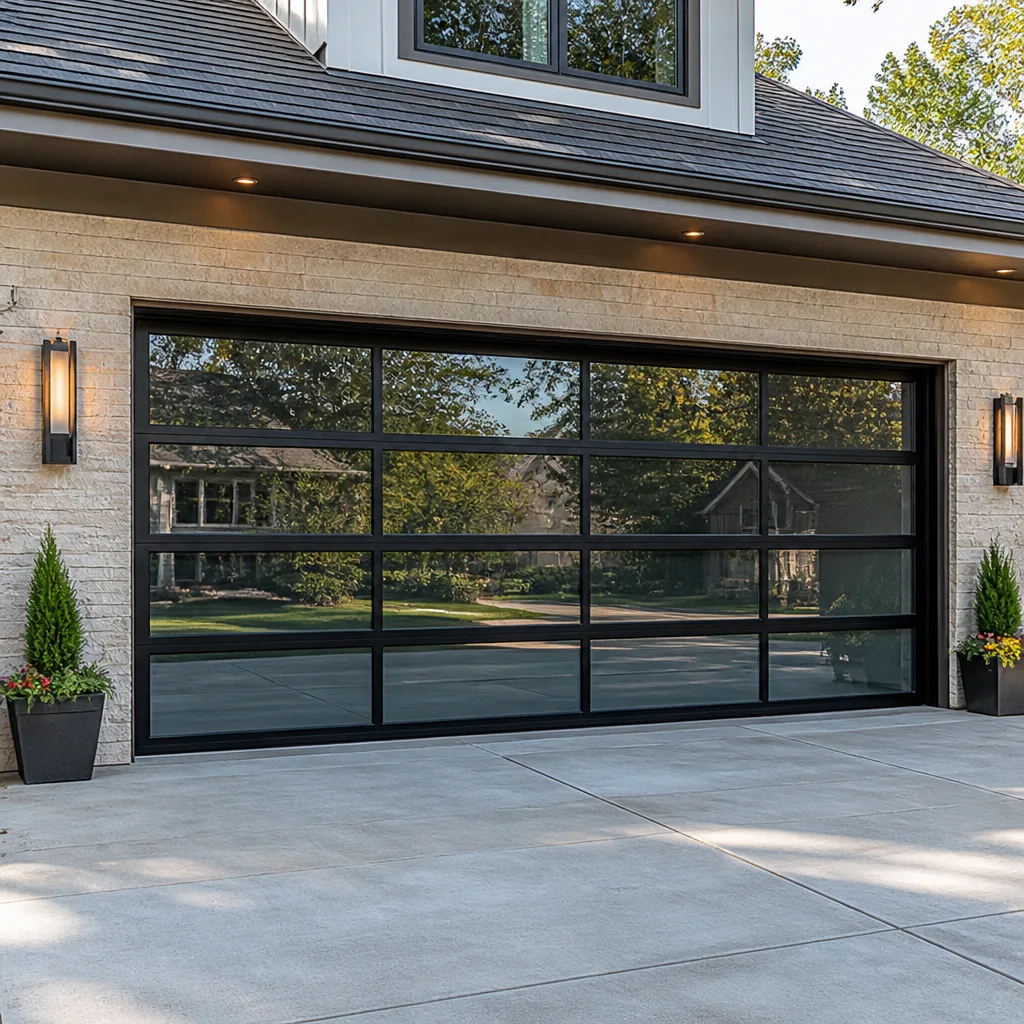 Full-view glass
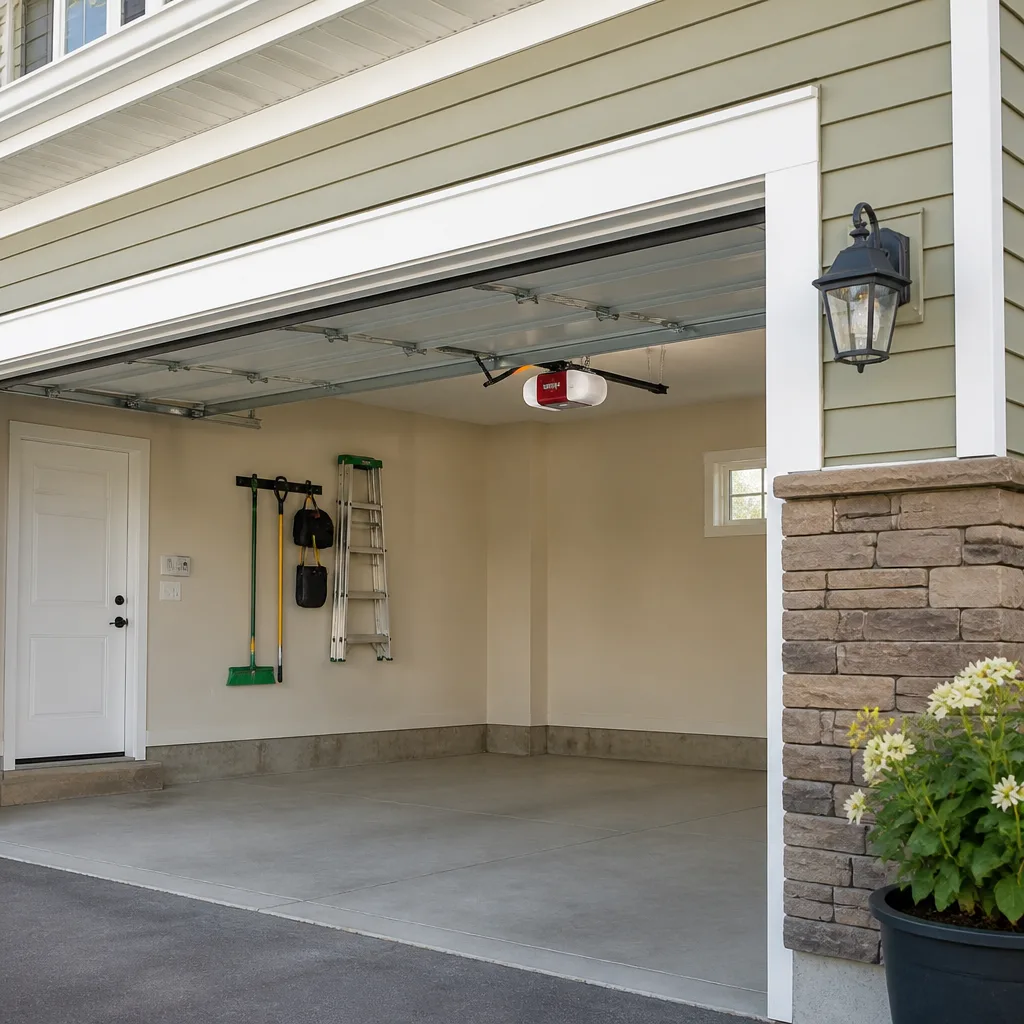 LiftMaster openers
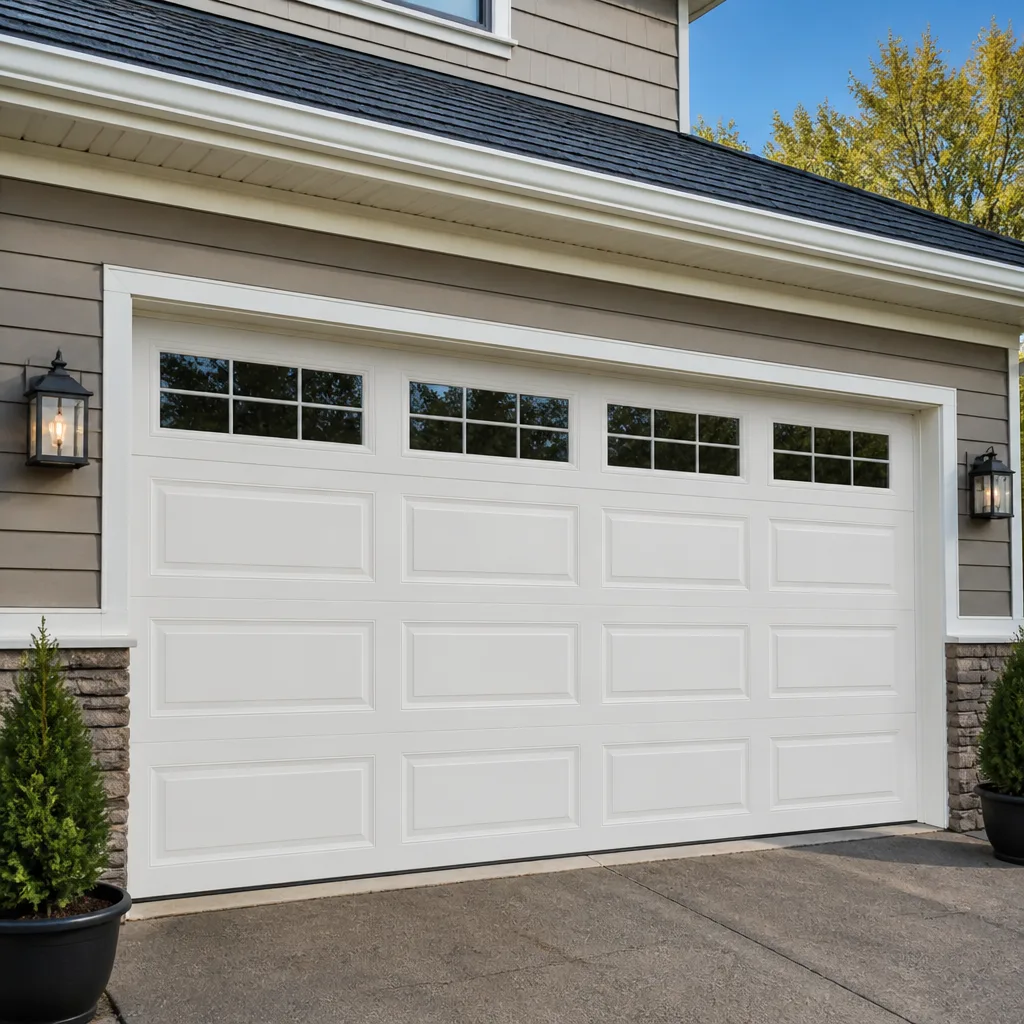 Chamberlain openers
Full 25-point door and opener safety check with every visit - springs, cables, rollers, tracks, and your LiftMaster or Chamberlain opener included
You get a price before we start. It does not change when the pro arrives.
Get your free estimateThe Complete Guide to Garage Doors in Brentwood
A garage door looks like one big moving panel. In practice it’s a system of six working parts that depend on each other, and that distinction matters more than any other single fact a homeowner can learn. When one part wears out, the others carry the load until something else gives. That’s how a five-dollar roller turns into a bent track, how a tired spring turns into a burnt-out opener, and how a repair that should stay small quietly becomes a replacement. This guide maps every component of the system, explains how Brentwood’s climate and housing stock affect each one, and shows you how to read what your door is telling you so you can choose the right service at the right time.
Quick Answer
A Brentwood garage door is a system of six interdependent components: the door panels, the torsion or extension springs, the opener, the tracks, the rollers and hinges, and the safety sensors. Understanding how these parts share load is what separates a targeted repair from a full replacement. If one part fails, the rest are stressed until it’s corrected, so matching the service to the actual failure is the single most important decision a homeowner makes.
Styles & brands we work with
- Raised-panel steel
- Carriage house
- Modern flush
- Full-view glass
- LiftMaster openers
- Chamberlain openers
Table of Contents
- The Six Components That Make Up Your Garage Door
- How Brentwood’s Climate and Housing Shape Garage Door Wear
- Torsion Springs vs. Extension Springs: Which Do You Have?
- How to Read Your Door’s Existing Hardware
- Upgrades That Add Resale Value in Brentwood
- Matching the Service to What You’re Seeing
- Why Brand Matching Matters on Long Island Doors
- Safety: What Not to Touch
The Six Components That Make Up Your Garage Door
A residential garage door is a load-balancing machine. Each component does one job, and each job supports the next. Here’s how the system breaks down, in order of how much stress each part carries.
- Door panels and sections. The visible face of the door. Panels carry the weight, provide the seal, and set the door’s insulation rating. On the panel-and-section construction common to Brentwood homes, a bent or rotted section throws the whole door out of balance.
- The springs. Torsion or extension springs counterbalance the door’s weight, so a person (or an opener) moves it with a light push. They carry the most stored energy of any component and they wear out first.
- The opener. The motor and rail that lift the door. It’s designed to lift a balanced door, not a heavy one. A failing spring makes the opener work twice as hard, which is why openers often fail shortly after springs do.
- The tracks. The guide rails that keep the door on a straight path. Tracks are surprisingly easy to bend, and a bent track drags the rollers and stresses the opener.
- Rollers and hinges. The small parts that let sections pivot and glide. Rollers wear out, develop flat spots, and get noisy. Nylon rollers last longer than steel, and the difference in sound is noticeable on a door that faces a bedroom wall.
- Safety sensors and the safety reverse. The two sensors at the bottom of the opening that stop the door if something crosses the beam, plus the mechanical reverse that stops the door when it meets resistance. These are life-safety components; if either fails, the door should not run.
Understanding this list changes how you diagnose a problem. A door that reverses immediately after touching the floor isn’t necessarily an opener problem, it may be a travel-limit adjustment or a sensor alignment issue. A door that shudders on the way down is often a roller or track problem, not a motor problem. We’ve seen both of these misdiagnosed as “replace the opener” by generalists. The right starting point is always to identify which of the six components is actually failing.
How Brentwood’s Climate and Housing Shape Garage Door Wear
Brentwood sits inland on Long Island, which means the door on your house lives through freeze-and-thaw cycles in winter, humid summers, and the occasional coastal storm that pushes moisture inland. That combination, rather than any single extreme, is what drives most of the wear we see on local doors.
Freeze-and-thaw is the biggest factor. Water works into the gaps around hinges, rollers, and bottom seals, then expands when it freezes overnight and works those parts loose over a season. The result shows up as doors that are stiff on cold mornings, rollers that bind rather than roll, and bottom seals that pull away from the panel. On the standard 16-foot double doors common on Brentwood’s postwar and mid-century ranch homes, a stiff door puts extra load on the opener and springs before anything visibly breaks.
Summer humidity works the other direction. Moisture in the air stresses wood composite panels and works into the pivot points. That’s where lubricant schedules matter: a dry Teflon or silicone-based lubricant on hinges and rollers, applied ahead of the humid season, does a lot to extend service life. Grease collects dust and grit and can actually accelerate wear on the rollers. In our experience, the doors that last the longest in Brentwood are the ones where lubrication is treated as routine, not as something to do when the door starts to squeal.
The other local factor is the housing stock. Brentwood has a deep inventory of ranch houses, split-levels, and capes, most of them built with 7- to 8-foot openings and standard 16-foot double doors. Those are the door sizes that parts for Clopay, Amarr, Wayne Dalton, and Craftsman panels are most commonly available in, which is one reason local repair tends to be faster than it is for unusual sizes. If your door is a nonstandard width or a custom panel layout, sourcing takes longer, so it’s worth knowing that in advance before you assume any repair can be same-day.
Torsion Springs vs. Extension Springs: Which Do You Have?
Brentwood homes use both, and knowing which one you have tells you a lot about how your door was built and how it will fail.
Torsion springs run horizontally across the top of the door, above the opening, and twist to lift the door. They’re the standard on most newer and mid-century doors, and they’re the system you’ll usually find on Brentwood doors that were upgraded or replaced in the last few decades. A single torsion spring system has one spring; a matched pair has two. The pair shares the load, and when one fails, the other has to carry the whole door, which is why replacing both together is standard practice.
Extension springs run along the horizontal tracks on either side of the door and stretch to lift it. They’re common on older doors, and they’re the system most often found on original equipment in Brentwood’s older ranch housing. Extension springs need a safety cable running through the center, which contains the spring if it snaps. If you look at your door and see a spring running the length of each track with a steel cable through the middle, that’s what you have.
Why does the difference matter?
- The failure mode differs. A broken torsion spring usually leaves the door stuck down or stuck up and immovable. A snapped extension spring can fly, which is why the safety cable matters.
- Cost differs. Torsion spring work is priced per spring, and a matched pair costs about twice a single spring. Extension springs are a different job with a different parts cost.
- Upgrade paths differ. If you’re replacing a door, the new system usually comes with a torsion setup, so the spring replacement becomes part of the installation rather than a separate repair later.
Both systems store enough energy to injure someone badly, and neither is a DIY job. A wound torsion spring holds hundreds of pounds of force, and an extension spring under tension can cause serious harm if it’s released without the right tools. If you suspect a spring has failed, don’t run the door. Call a specialist and let them assess it. We handle garage door spring repair as a safety-critical service for exactly this reason.
How to Read Your Door’s Existing Hardware
Before you call anyone, you can learn a lot about your door by looking at what’s actually on it. Reading the hardware tells you its age, its likely service history, and how much life is left in the system.
- Look at the opener. Openers have a manufacturing date on the motor housing or the label on the back. An opener older than roughly 15 years is usually due for replacement, not repair, especially if parts are no longer made for it. Craftsman and Genie units from the 1990s and 2000s are still common in Brentwood, and parts availability for some of those models is getting thin.
- Look at the springs. Torsion springs have a paint mark or a label identifying the wire gauge and inside diameter. If the paint is worn off or the label is gone, that’s a sign the springs are old. If you can see a visible gap in a coil, the spring has already broken and shouldn’t be used.
- Look at the rollers. Steel rollers show pitting and flat spots. Nylon rollers are usually white or light-colored and stay smooth until they crack. A door with steel rollers that has never been upgraded is a door where a roller replacement is probably overdue.
- Look at the hinges. Hinges are numbered (1, 2, 3), and the numbers matter, they correspond to specific positions on the door. If a hinge has been replaced with the wrong number, the door won’t fold correctly on the curves. Look for hinges that have been swapped or are visibly mismatched.
- Look at the tracks. Tracks should be straight and clean. Dents, kinks, or tracks that have been pushed out of vertical are a sign of a door that’s been hit or has jumped a roller at some point.
- Look at the bottom seal. A cracked or missing bottom seal lets water and cold air in and puts the door out of level. It’s one of the cheapest parts to replace and one of the most often neglected.
If you can’t read the hardware, that itself tells you something, it usually means the door has been in place a long time without a service visit. Bringing an experienced eye to the door is worth a lot here. Our technicians have up to 9 years of experience reading exactly this kind of setup on Brentwood doors, and a quick inspection often reveals issues the homeowner didn’t know were there. If you’ve spotted something on the list you don’t recognize, book a garage door repair visit and we’ll identify what you’re looking at before anything gets replaced.
Upgrades That Add Resale Value in Brentwood
Not every upgrade is worth doing. These are the ones that hold up in the Brentwood market, meaning they improve daily function and are noticed by buyers when a home is listed.
- Insulated panels. If your garage shares a wall with living space, insulated panels reduce heat transfer and make the garage usable in winter. Look for a product with a stated R-value from a manufacturer like Clopay or Amarr; the panel itself carries the rating, and the difference between an uninsulated and an insulated door is noticeable in both comfort and noise. Insulation also quiets the door, which matters on a house where the garage is under a bedroom.
- Smart openers. A Wi-Fi-enabled opener with an app lets you open or close the door remotely, confirm it’s closed from your phone, and get an alert when someone uses the door. LiftMaster and Chamberlain both make openers with this built in, and it’s one of the upgrades that reads clearly to buyers because it’s an obvious daily convenience.
- Reinforced tracks and struts. If your door has a history of sagging or your opener struggled on the old door, a strut across the top panel adds rigidity. On Brentwood’s wind-exposed open lots, this matters more than it might elsewhere.
- A proper bottom seal and weatherstripping. Cheap, unglamorous, and one of the first things a competent home inspector checks. A door that seals properly doesn’t leak heat, doesn’t freeze shut, and doesn’t let drafts into the house.
- A matched opener and spring system. If you’re replacing an old opener on an old spring system, replacing both together saves a second visit later and gives you a system that works as designed.
What doesn’t help resale as much: decorative add-ons that don’t affect function. Buyers who walk into a Brentwood garage notice whether the door opens quietly, whether the sensors work, and whether there’s a warm, dry space. They don’t notice the color of the hinges.
Matching the Service to What You’re Seeing
The most expensive mistake in garage door ownership is paying for a replacement when a repair would do, or paying for a repair when the door is genuinely past saving. Here’s how to match the service type to the symptoms.
Tune-up (adjustment and lubrication)
A tune-up is the right call when the door works but is noisy, slightly out of balance, or due for seasonal service. It includes lubricating the hinges and rollers, checking the track alignment, testing the safety reverse, and adjusting the travel limits on the opener if needed. It’s the lowest-cost service and the one most often skipped. On a Brentwood door, an annual tune-up before the humid season is the best defense against bigger problems later.
Targeted repair
A repair is the right call when one part has failed but the rest of the system is sound. Examples: a broken spring, a burnt-out opener motor, a snapped cable, a bent track, worn rollers, a failed sensor. If the door’s panels are intact and the tracks are straight, a repair almost always costs less than a replacement and restores full function. This is where most Brentwood service calls land, and it’s the category where matching the right brand of part matters.
Full replacement
A replacement makes sense when the panels themselves are failing, not just one part. Signs include rotten or delaminating wood composite, panels that have been bent or crushed in a collision, a door that keeps coming out of the tracks even after repair, or a door whose parts are no longer made. A replacement is a measured and scheduled job: the door is measured, a manufacturer’s lead time applies, and the installation is booked once the door arrives. There’s no rush needed here, which is why we quote a written price and take the time to measure properly.
Opener work
Opener diagnostics are their own category. A dead opener isn’t always a dead opener: sometimes the motor is fine and the error is a misaligned sensor, a logic board, or a gear-and-sprocket that has stripped. We handle garage door opener repair on the major brands, and getting the diagnosis right the first time usually saves the cost of a replacement.
Why Brand Matching Matters on Long Island Doors
Garage door parts are not universal. A hinge, roller, spring, or opener gear that fits one manufacturer’s door often won’t fit another’s, and a technician who works on all trades will usually substitute a generic part rather than the one the door was designed around. That’s how a repair that should last years ends up failing sooner.
Our focus is the brands that show up most often on Brentwood doors: LiftMaster, Chamberlain, Genie, Clopay, Amarr, Wayne Dalton, Craftsman, and Raynor. Knowing how those systems are built means a technician can identify the right part from the door in front of them, source it correctly the first time, and not make a second trip. It also means a repair that’s restored to how the door was engineered, not just made to work for now. That’s the difference between specialists and generalists, and on the doors around Brentwood it’s the difference you notice a year or two down the line.
Safety: What Not to Touch
Most garage door work is straightforward. A few parts are genuinely dangerous and should be left to a trained technician, no exceptions.
- Springs and cables. A wound torsion spring or a loaded extension spring stores enough energy to cause serious injury. Never attempt to remove, adjust, or unwind a spring yourself, and never cut a cable that’s under tension.
- The opener’s electrical connection. Openers are hardwired or plugged into a dedicated circuit. If you’re not experienced with household electrical work, don’t open the motor housing or touch the wiring. A qualified electrician or garage door technician should handle this.
- The safety reverse and sensors. These are life-safety components. If the door fails the reverse test, stop using it and have it corrected. A door that closes on a child or a pet is a serious hazard.
- The bottom bracket and cable drum. These carry the full load of the counterbalance system. A single wrong move here can release the whole system. Leave them alone.
Everything else, including lubrication, seal replacement, sensor alignment, roller replacement on a properly balanced door, and visual inspection, is fair game for a careful homeowner who wants to keep up with maintenance. The line is drawn where the spring stores energy and where the electrical system carries current. A real specialist flags that line clearly, and we do.
Common Problems and What They Usually Mean
Garage doors fail in a handful of recognizable patterns, and each pattern points to a specific part of the system. Here’s a quick diagnostic that helps you know what kind of service you’re probably looking at.
- Door won’t move at all, opener hums. Usually a stripped gear in the opener or a broken spring. If the door is heavy to lift by hand, the spring is the issue; if it lifts easily but the opener won’t pull it, the opener is the issue.
- Door goes up a foot, then reverses. Almost always a travel-limit or sensor problem, not a failing motor. Check the sensors first, then the opener’s down-limit setting.
- Door is uneven, one side lags. A spring, cable, or track issue on one side. Don’t keep operating it; an uneven door puts excess strain on the opener and the tracks.
- Door is noisy on the way up or down. Worn rollers, dry hinges, or a track that’s out of alignment. Lubrication may fix it; if it doesn’t, a roller replacement usually does.
- Door comes off the tracks. A bent track, a broken cable, or a roller that has jumped its guide. Stop using the door and call for service; the door is at risk of falling.
Getting the Right Help in Brentwood
When you call, describe what you’re seeing and what you’ve already checked. A specialist can often tell from that description whether the job is likely a repair, a tune-up, or something larger. Calls are answered 24/7, and dispatch runs from 7am to 7pm, Sunday through Friday, with Saturday closed. Same-day repair is available for urgent problems like a broken spring, a dead opener, or a door that’s off its tracks, and the importance of getting the right specialist for emergency work is that a door that won’t close is a security issue for the whole house.
We connect homeowners with trained local professionals who work on garage doors as their sole trade, not as one of many. Every service visit is handled by someone whose entire skill set is built around garage doors: repair, opener work, spring repair, and complete installation. One call covers it, whether the door needs a small repair or a full new door, and you don’t need a second company for any part of the job.
Common Mistakes to Avoid
- Replacing the opener when the spring is the problem. A new opener on a door with a broken or weak spring will burn out fast. Diagnose the spring first. If the door is heavy to lift by hand, the spring is the failure and the opener is the victim.
- Replacing only one spring of a matched pair. The other spring has been carrying the load and is usually near failure. A pair costs about twice a single spring, and replacing both together is the standard and the cheaper decision over the long run.
- Calling a general handyman to save money. A generalist may substitute a generic part and fix the symptom, not the system. On a torsion spring in particular, a generalist without the right tools is genuinely dangerous. This is one line of work where the specialist’s higher upfront cost is the safer and more economical call.
- Ignoring winter stiffness on Long Island doors. A door that’s stiff in the cold is a warning, not an inconvenience. Lubricate the hinges and rollers before the cold sets in and check the closure at the bottom of the door.
- Skipping maintenance after a repair. A tracked repair buys years if the door is kept lubricated and balanced. It buys far fewer if the door goes another five years without service.
- Assuming replacement is the only option. Many Brentwood homeowners replace a door that only needs a repair. Look at the panels: if they’re sound and the tracks are straight, the door is repairable.
- Letting a stuck door sit. A door that won’t close is a hole in the house’s security. Same-day repair is available for exactly this scenario, and waiting usually makes the eventual fix bigger.
See the difference
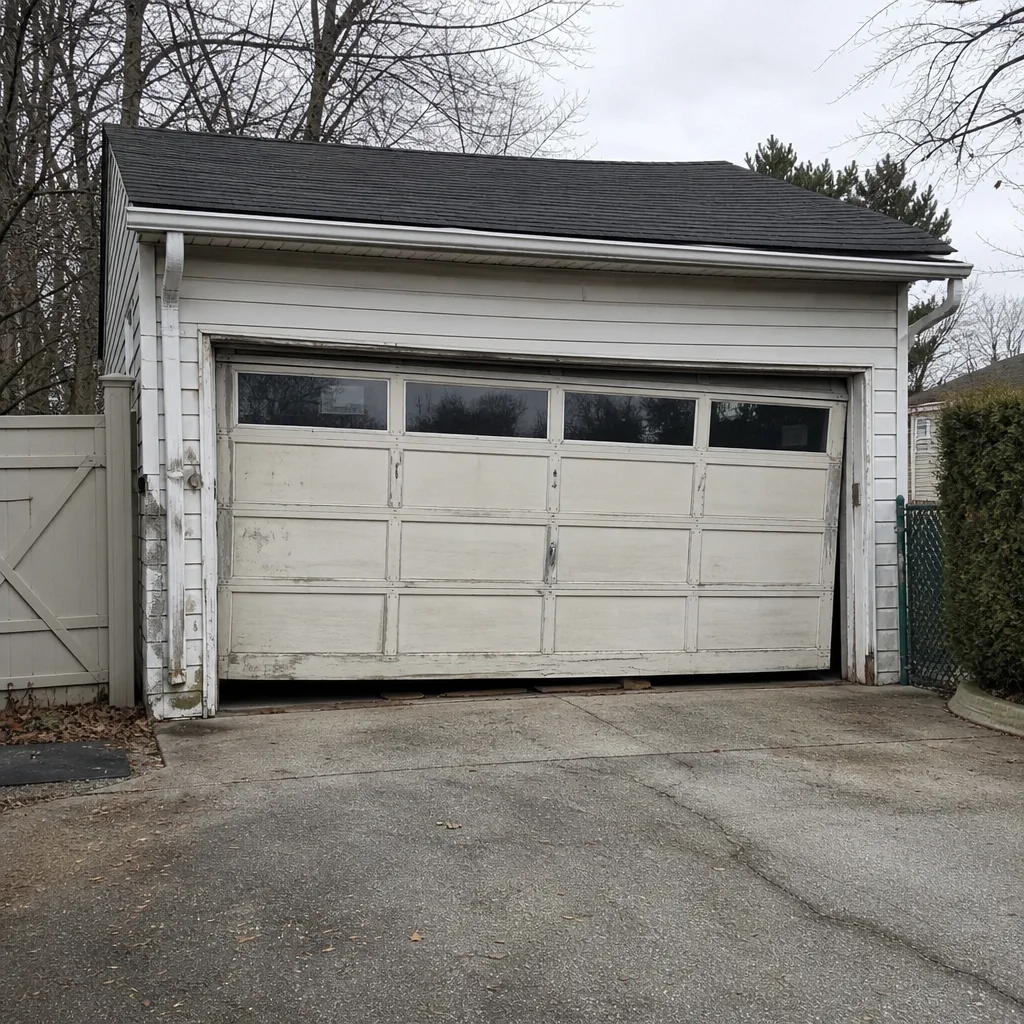 Before
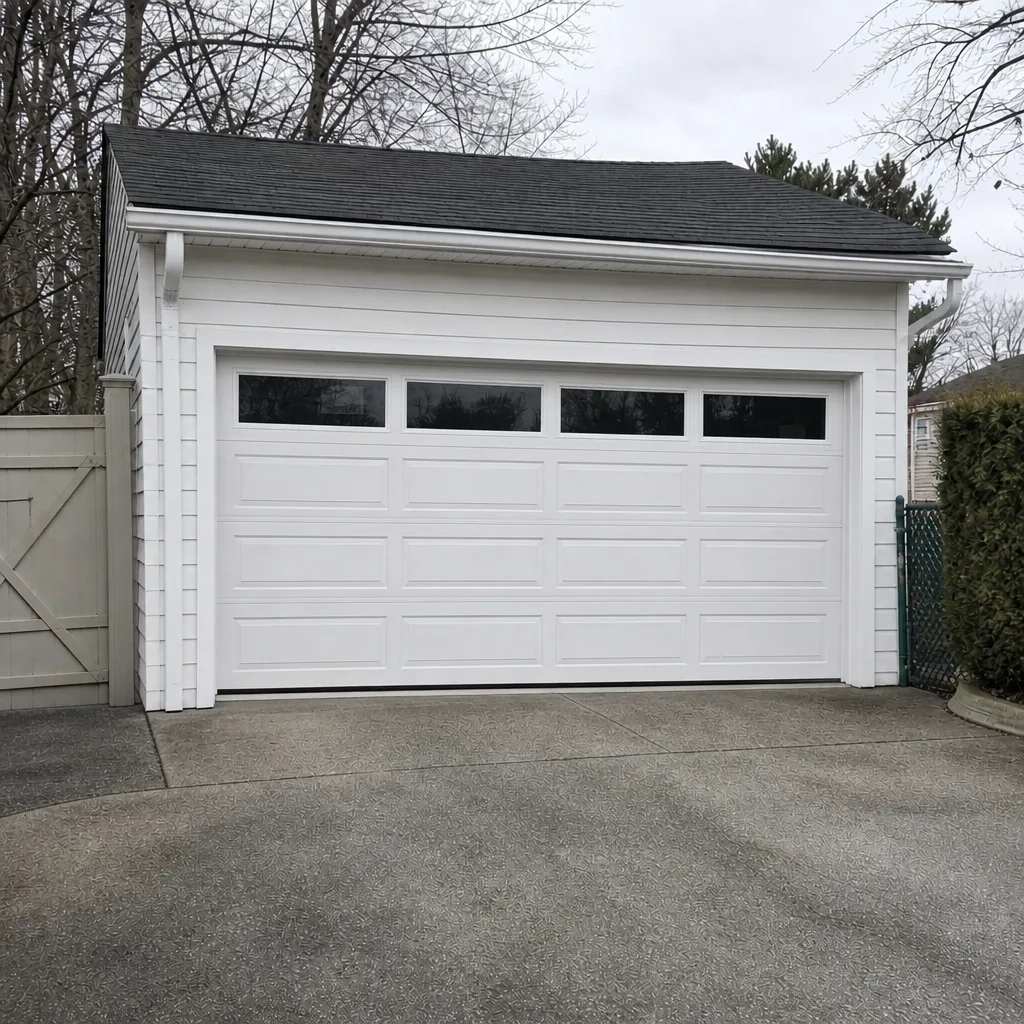 After
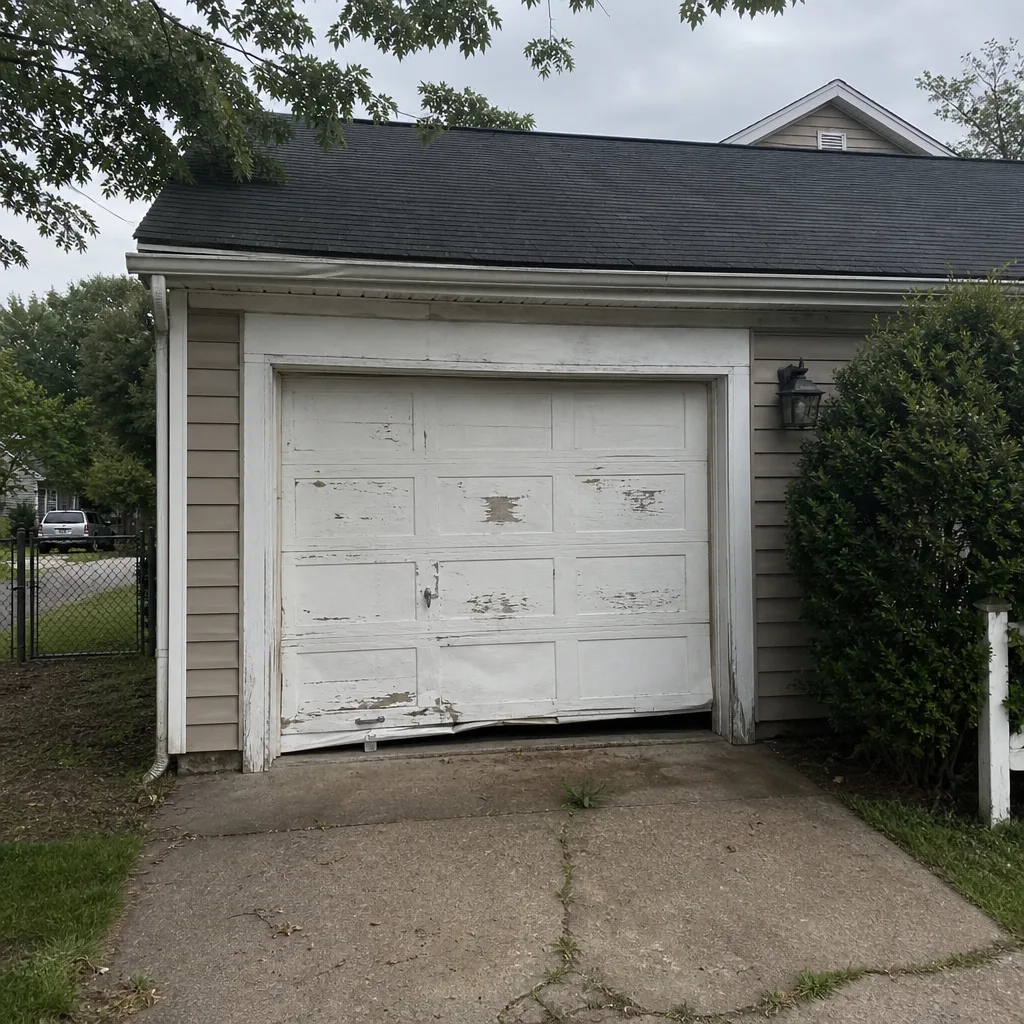 Before
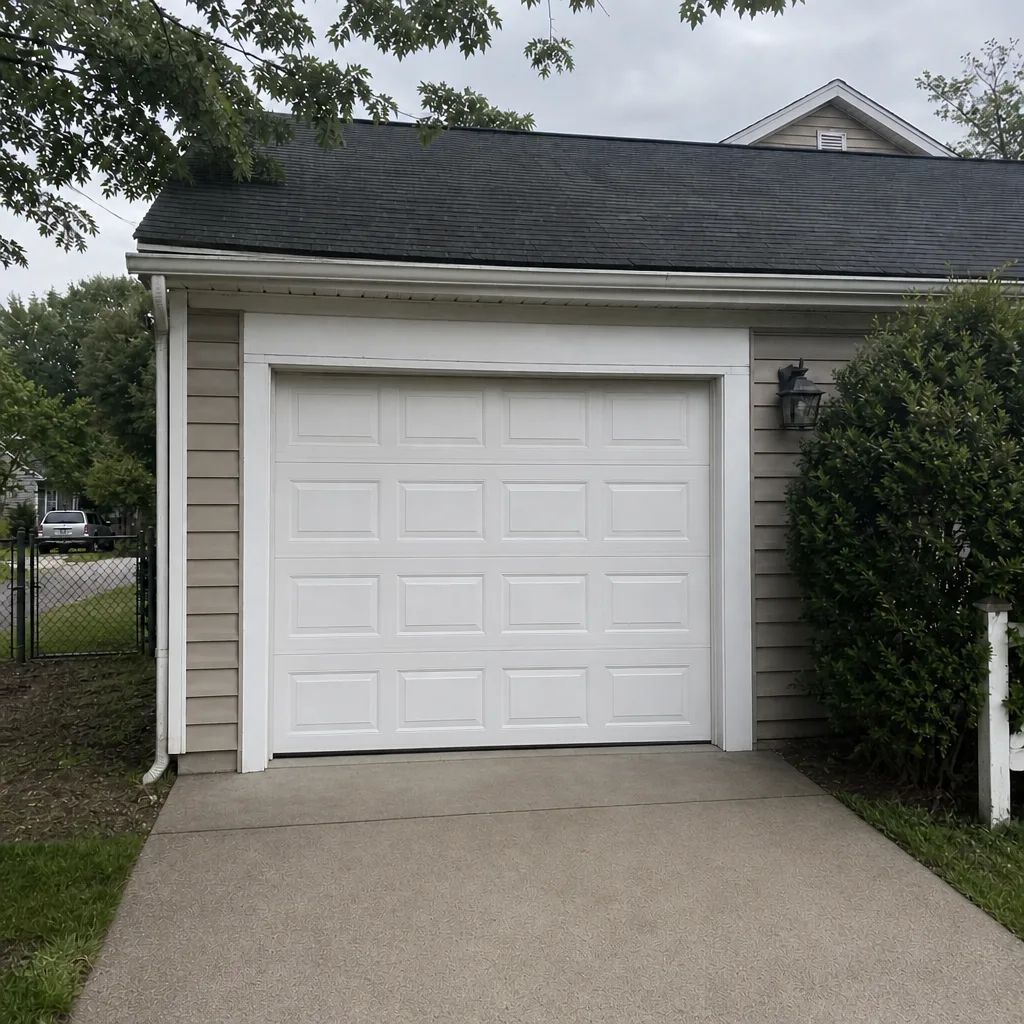 After
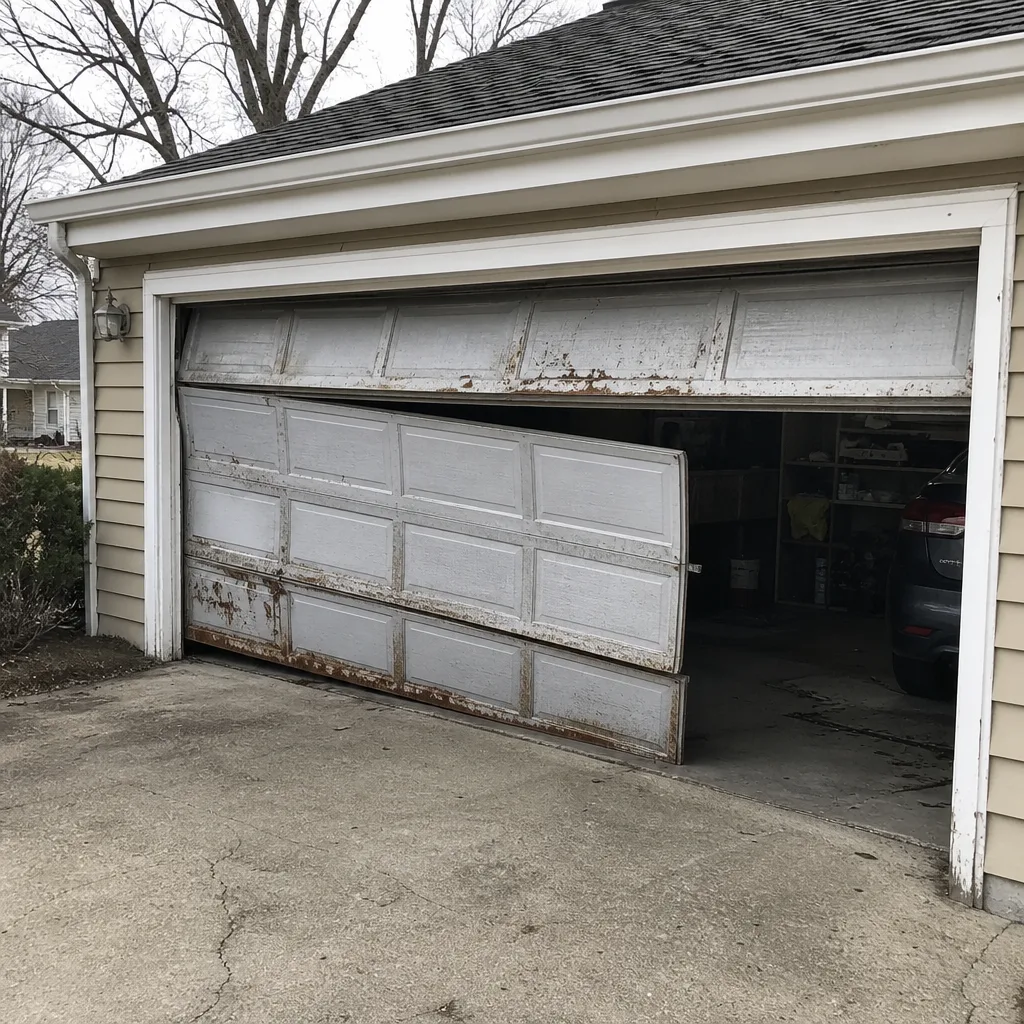 Before
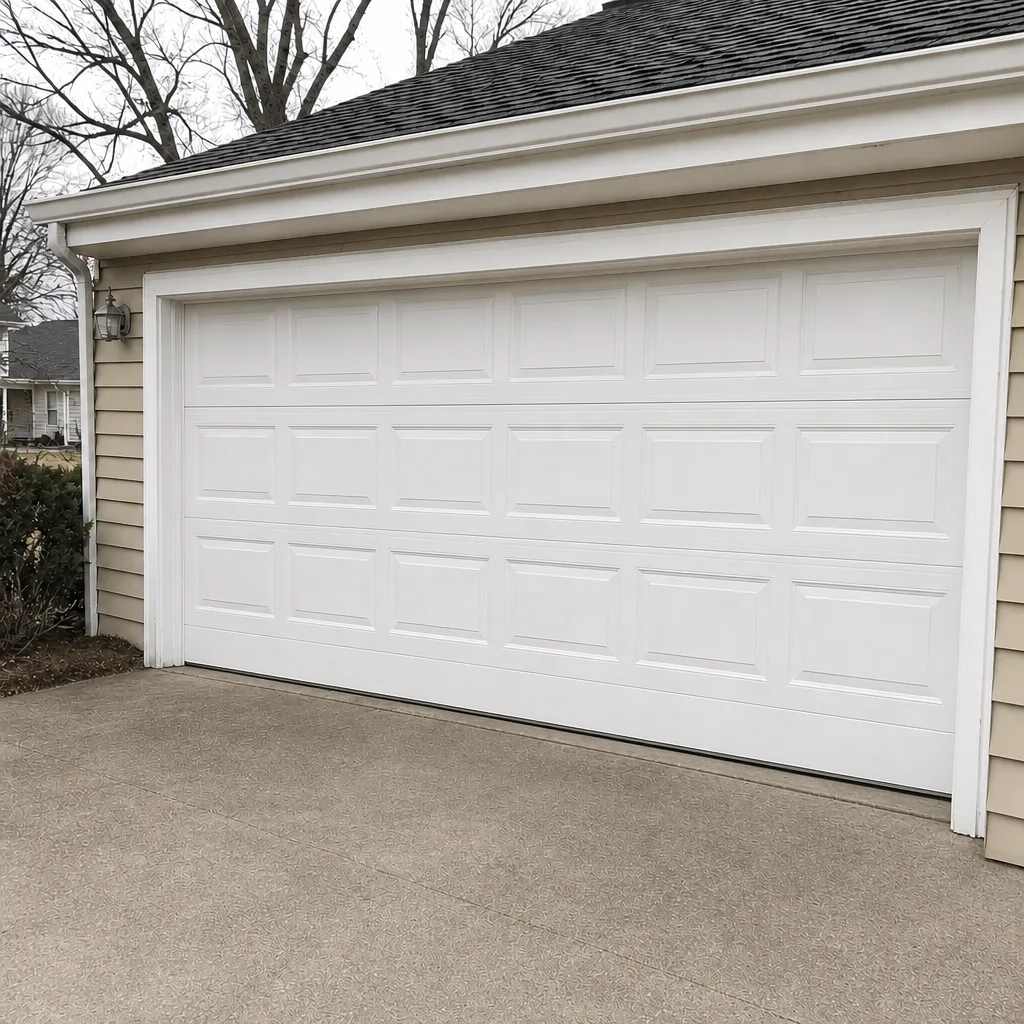 After
When to Call a Professional
Call a professional when the door won’t move, won’t close, comes off its tracks, or when you see a broken spring, a snapped cable, or a bent track. Call when the opener hums but doesn’t lift, when the door reverses immediately after touching the floor, or when the safety reverse fails its test. Call when the door is stiff or noisy in cold weather and lubrication doesn’t fix it, and call before you touch a spring or a cable under tension. A tune-up is also worth booking if your door hasn’t been serviced in a while. Brentwood Garage Door Repair Pros offers free estimates in Brentwood, and you can reach us at (833) 348-8658. We answer 24/7, with fast dispatch from 7am to 7pm, Sunday through Friday. The price is quoted and agreed before any work starts, so you know the number before the technician begins.
Frequently Asked Questions
Repair costs in Brentwood depend on which of the six components has failed, and a written estimate sets the final price. A tune-up, a roller or hinge replacement, or a sensor repair sits at the low end. A broken spring repair is priced per spring, and a matched pair costs about twice a single spring. We quote the price and agree it with you before any work starts, so there’s no surprise invoice after the job. Call (833) 348-8658 for an exact quote, the estimate is free.
Yes, same-day repair is available for urgent problems, and a door that won’t close is exactly that kind of emergency. We answer 24/7 and run fast dispatch from 7am to 7pm, Sunday through Friday, with Saturday closed. A call outside dispatch hours is booked into the next opening. If the door is stuck down and the house is open to the street, call now rather than waiting.
No. The price is quoted and agreed before any work starts, and the written estimate is the price. What can change the number is a different diagnosis than the one expected, which is why the technician inspects the door first and confirms the price with you before starting. You won’t get a bill that’s higher than the figure you agreed to.
The local pro who comes to your door is licensed and insured as their state requires. We connect homeowners with independent local professionals who work on garage doors as their sole trade, and our technicians have up to 9 years of experience. If any part of the credential matters to you, ask when you call and we’ll confirm it before the visit.
Repair if the panels are sound and the tracks are straight, and the failure is one component like a spring, opener, cable, track, or roller. Replace if the panels themselves are failing: rotten or delaminated composite, crushed or bent sections, or a door that keeps coming off the tracks even after repair. A replacement is a measured and scheduled job, so there’s no reason to rush that decision. Call (833) 348-8658 and we’ll help you sort out which one you’re looking at.
We service LiftMaster, Chamberlain, Genie, Clopay, Amarr, Wayne Dalton, Craftsman, and Raynor equipment. If your door has one of those brands on it, the technician will know the system and can source the right part the first time. If you’re not sure what brand you have, a quick look at the opener label or the spring tag usually tells you. Call (833) 348-8658 if you’d like us to identify it.
The Bottom Line
Your garage door is a system, not a slab. The six components share load, so a failure in one creates stress in the others, and the right service depends on which part has actually failed. Brentwood’s freeze-and-thaw cycles and humid summers wear springs, rollers, and seals faster than the door’s age alone would suggest, and the local housing stock means parts are usually easy to source. Read the hardware before you call, match the service to the symptom, and leave the springs and the electrical work to a specialist. Understanding the system is what keeps a small repair from turning into a replacement, and a door that opens quietly every morning for years.
Written by the team at Brentwood Garage Door Repair Pros.